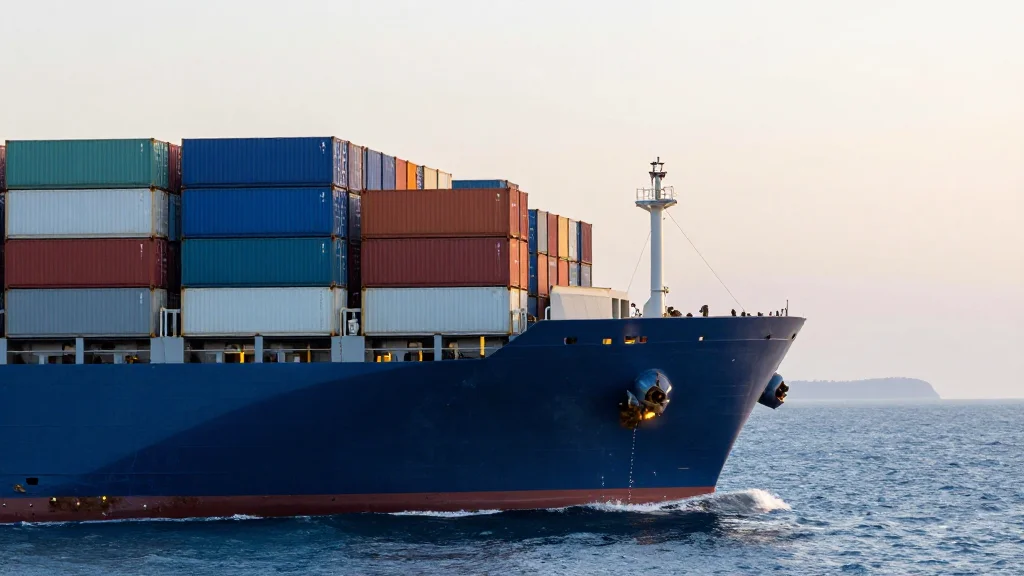
Shipping Major Raises Freight Fees on China-Originating Cargo to East Africa
Companies Mentioned
Why It Matters
Higher freight surcharges lift landed costs for East African importers, likely feeding through to higher consumer prices and squeezing profit margins across key sectors. The move also signals that other carriers may follow, reshaping regional supply‑chain economics.
Key Takeaways
- •Maersk's PSS for 20‑ft containers now $1,000 in Kenya.
- •40‑ft container surcharge jumps to $2,000, the steepest rise in years.
- •Tanzania's fees stay higher, reflecting congestion at Dar es Salaam port.
- •China accounts for about a quarter of East Africa's imports.
- •Importers may renegotiate contracts or explore cheaper logistics options.
Pulse Analysis
Maersk’s decision to lift its Peak Season Surcharge reflects mounting pressure on global shipping lines to offset higher fuel costs, vessel shortages, and port congestion. By raising the 20‑foot container fee to $1,000 for Mombasa and Dar es Salaam and more than doubling the 40‑foot charge, the Danish carrier is recouping margin erosion that has plagued the industry since the pandemic‑induced supply‑chain shock. The timing aligns with a broader trend of carriers revising price structures as demand for China‑origin cargo to East Africa rebounds.
For East African economies, the surcharge hike translates into immediate cost inflation for a region already dependent on Chinese imports for machinery, electronics, and construction materials. With China accounting for roughly 25% of regional import value, the added $200‑$900 per container will push landed prices higher, eroding the competitive edge of locally assembled goods. Port congestion, especially at Dar es Salaam, compounds the issue, making Tanzanian logistics more expensive than Kenya’s and prompting importers to reassess supply‑chain strategies, including longer lead times or alternative ports.
Looking ahead, businesses are likely to renegotiate non‑spot contracts, explore multimodal options, or shift to regional suppliers to mitigate the impact. Policymakers may also revisit trade‑off incentives, such as tax exemptions for critical inputs, to cushion the price shock. Investors should monitor freight rate trends as a leading indicator of cost pressures in East Africa’s manufacturing and retail sectors, where sustained shipping cost growth could dampen profit margins and slow economic momentum.
Shipping major raises freight fees on China-originating cargo to East Africa
Comments
Want to join the conversation?
Loading comments...