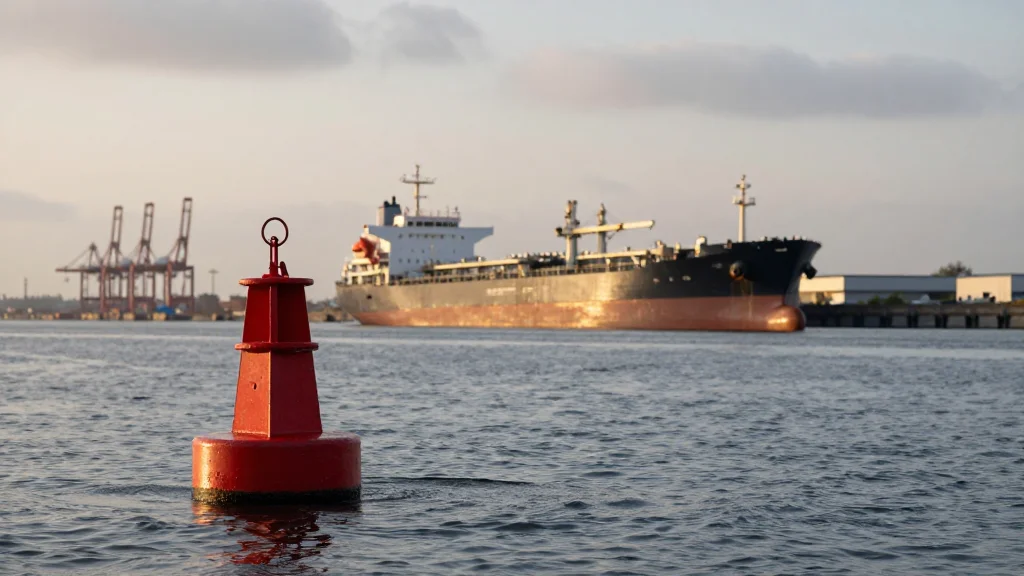
Shipping Stalls as Tehran Dictates Terms in Strait of Hormuz
Why It Matters
Any sustained slowdown in Hormuz threatens global energy supply chains, pushing up oil prices and forcing shippers to seek costlier alternatives. The episode highlights how regional politics can quickly ripple through international trade and finance.
Key Takeaways
- •Iran threatens to restrict Hormuz traffic unless demands met
- •Major carriers delaying voyages, increasing freight premiums
- •Oil market volatility spikes due to chokepoint risk
- •Alternative routes lengthen transit times, raise costs
- •Geopolitical tension amplifies supply‑chain fragility
Pulse Analysis
The Strait of Hormuz has long been a strategic artery for crude oil, with roughly 20% of global petroleum passing through its narrow channels. Iran’s recent ultimatum—insisting that vessels acknowledge its sovereignty claims—represents a rare direct attempt to weaponize the waterway. While Tehran frames the demand as a sovereign right, the practical effect is immediate: shipping firms are either waiting for clearer guidance or diverting to longer routes around the Cape of Good Hope, inflating transit times by weeks and adding millions of dollars in fuel and insurance costs.
Market participants are closely watching the ripple effects on oil benchmarks. Even a modest reduction in daily throughput can tighten supply, prompting Brent and WTI futures to rally. Energy traders are recalibrating risk models, factoring in the probability of further Iranian escalations or retaliatory actions by regional rivals. The uncertainty also fuels speculation in freight derivatives, where volatility premiums have surged as carriers hedge against potential delays.
Beyond energy, the Hormuz standoff signals broader implications for global logistics. Companies reliant on just‑in‑time delivery are revisiting supply‑chain resilience strategies, including stockpiling critical inputs and diversifying shipping lanes. Policymakers in Europe and the United States are weighing diplomatic avenues to de‑escalate, while naval forces maintain a heightened presence to ensure freedom of navigation. The episode underscores how a single geopolitical flashpoint can reverberate across commodities, finance, and international trade, reinforcing the need for agile risk management.
Shipping stalls as Tehran dictates terms in Strait of Hormuz
Comments
Want to join the conversation?
Loading comments...