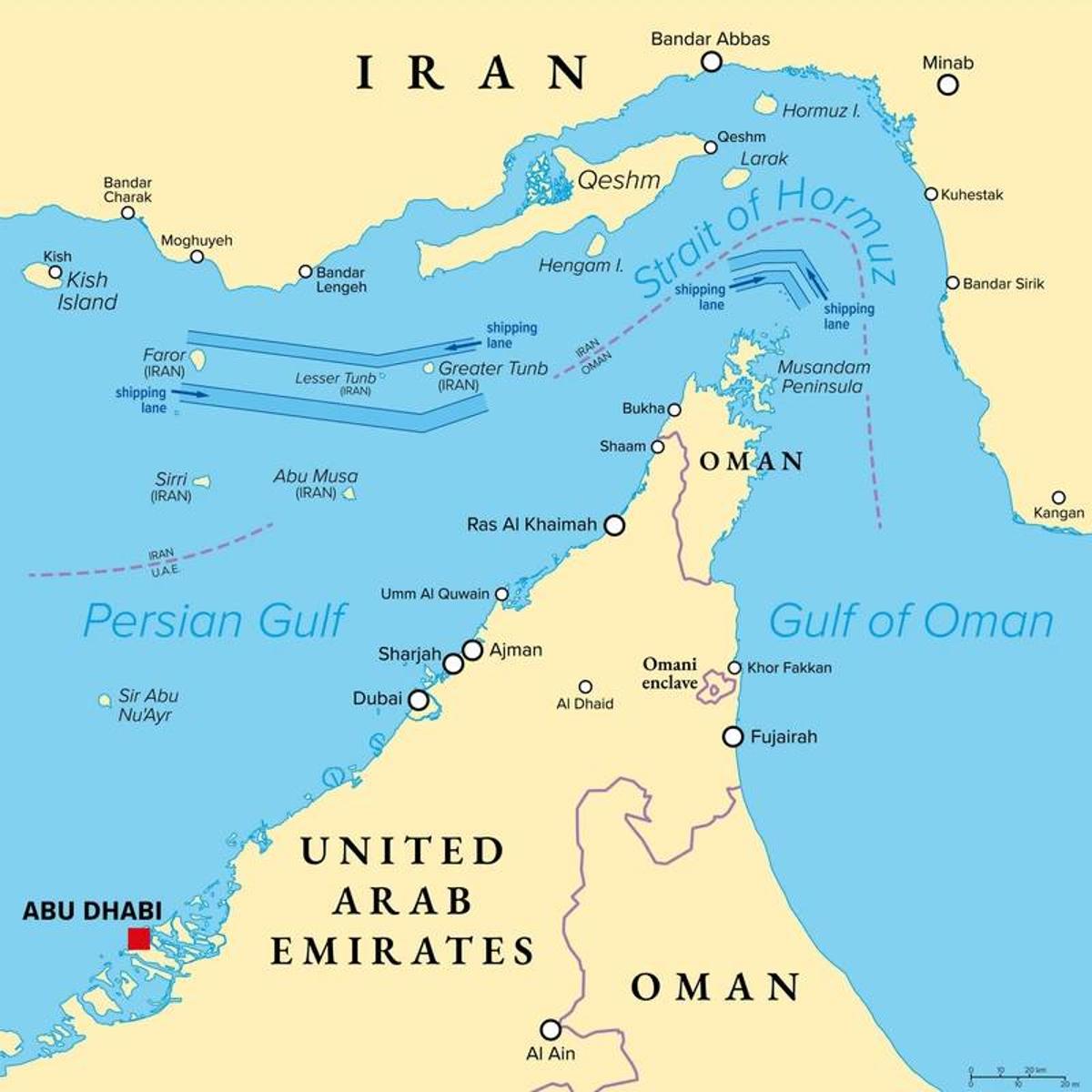
Shipping Traffic in the Strait of Hormuz Remains at a Trickle
Companies Mentioned
Why It Matters
The bottleneck threatens global oil and commodity supply chains and raises compliance risk for shippers worldwide.
Key Takeaways
- •Only six vessels crossed Strait in 24 hours, far below normal
- •Daily traffic dropped from ~130 to ~7 ships since Feb 28 conflict
- •U.S. sanctions block payments for tolls, affecting non‑U.S. shippers
- •Iran proposes tolls, but compliance risks remain high
- •Vast Plus chemical tanker transited, highlighting sanctions‑linked traffic
Pulse Analysis
The Strait of Hormuz remains one of the world’s most critical chokepoints, funneling roughly 20% of global oil shipments under normal conditions. Since the Iran‑U.S. cease‑fire on April 8, 2026, vessel movements have collapsed to an average of seven ships per day, with a recent count of just six. This dramatic reduction not only curtails the flow of crude and refined products but also forces carriers to reroute around the Arabian Sea, adding days and millions of dollars to freight costs. The slowdown underscores how geopolitical friction can instantly disrupt maritime logistics that underpin the global economy.
Compounding the traffic lull, the United States has intensified its sanctions regime, warning that any payment to Iran for passage—whether a toll or a facilitation fee—exposes both U.S. and non‑U.S. entities to punitive measures. Treasury’s advisory explicitly bars U.S. persons and institutions from facilitating such transactions, creating a compliance quagmire for multinational shippers accustomed to paying transit fees. Iran’s recent proposal to levy a toll aims to generate revenue amid sanctions, yet the risk of secondary sanctions deters many operators, effectively maintaining the de‑facto blockade despite the cease‑fire.
For markets, the constrained flow through Hormuz fuels price volatility in oil benchmarks and heightens uncertainty for commodity traders. Energy firms are scrambling to secure alternative supply routes, while insurers reassess premiums for vessels navigating the region. The stalemate also signals a broader strategic contest: any resolution will hinge on diplomatic breakthroughs that reconcile Iran’s revenue needs with U.S. non‑proliferation and sanctions objectives. Until then, the strait’s limited traffic will continue to ripple through global trade, prompting firms to hedge exposure and diversify logistics strategies.
Shipping Traffic in the Strait of Hormuz Remains at a Trickle
Comments
Want to join the conversation?
Loading comments...