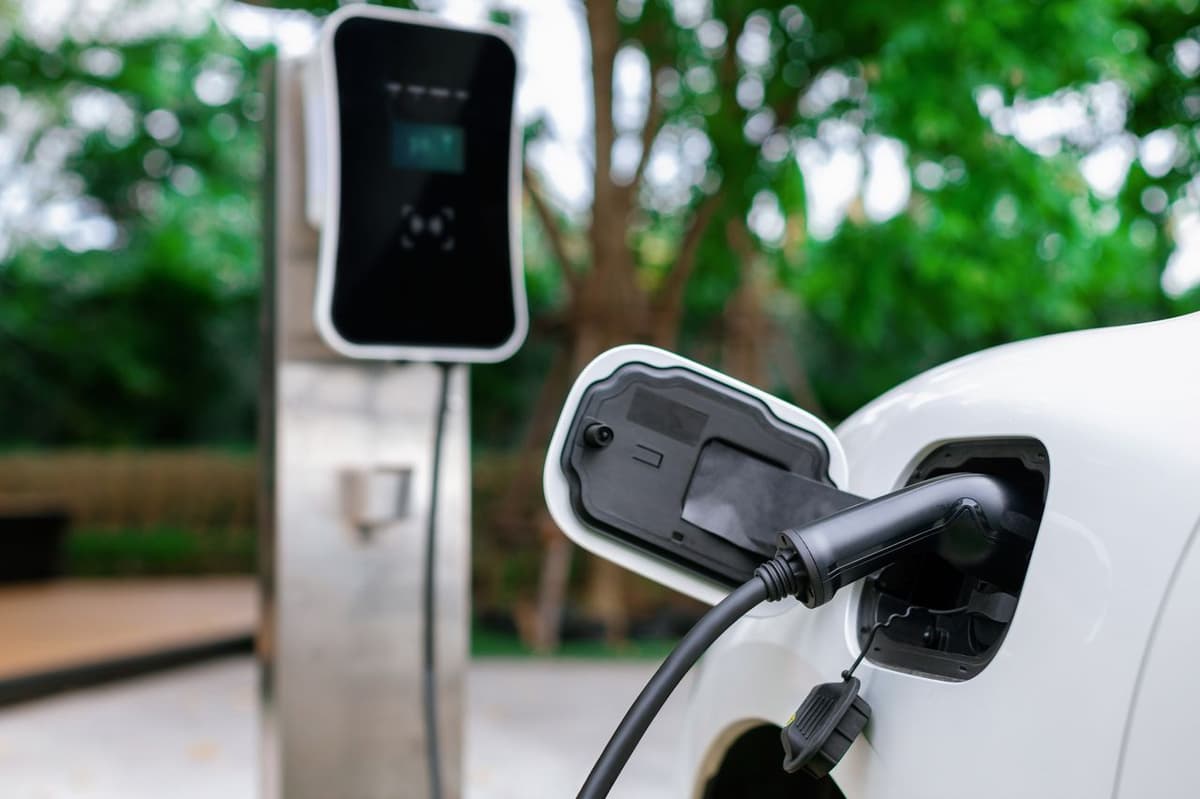
Should You Rent an EV for Your Road Trip? As Gas Prices Rise, Let's Look at the Costs
Why It Matters
Understanding the full cost structure of EV rentals lets travelers weigh fuel savings against charging fees and time, influencing both personal budgets and the broader shift toward electric mobility in the rental industry.
Key Takeaways
- •EV rentals cost $40‑$90 per day, often matching gas car rates.
- •Electricity per mile runs $0.08‑$0.20, often cheaper than gasoline.
- •Fast‑charging fees can erase EV savings on long highway trips.
- •Free hotel charging can cut EV energy cost to near zero.
- •Sparse rural chargers may make gas rentals more convenient.
Pulse Analysis
Rising gasoline prices have nudged consumers to reconsider how they power road trips, and rental companies are responding by bolstering their electric‑vehicle inventories. The competitive daily rates—often $40 to $90—reflect a strategic push to accelerate EV adoption while offering a price point that rivals traditional rentals. Beyond headline rates, travelers must factor in electricity pricing, which varies by charging level, and the emerging ecosystem of Level 2 and DC fast chargers. In markets where hotels and public stations provide complimentary or low‑cost power, the per‑mile expense of an EV can dip below $0.10, delivering tangible savings over a gasoline‑powered counterpart.
However, the apparent cost advantage can evaporate when fast‑charging is required. Premium rates of $0.30 to $0.60 per kWh, plus idle fees, can push the effective cost per mile to $0.20 or higher, matching or exceeding the $0.11‑$0.16 per‑mile cost of gasoline at current $3.25‑$4.00 prices. Moreover, the time penalty of a 20‑40‑minute charge versus a few minutes at a pump adds an opportunity cost for travelers on tight itineraries. Hidden fees—battery depletion charges of $20‑$35 and connection fees—further complicate the total cost calculation, making a granular, trip‑by‑trip analysis essential.
For the savvy summer traveler, the decision hinges on distance, charging accessibility, and schedule flexibility. Short, city‑centric trips with hotel charging or abundant Level 2 stations typically favor EVs, while cross‑country drives through sparsely covered regions still benefit from the speed and ubiquity of gas stations. Tools like charging‑network apps, rental‑company EV pricing dashboards, and credit‑card rental insurance benefits can optimize both cost and convenience. As rental fleets continue to electrify and infrastructure expands, the balance is likely to tip further toward EVs, but the immediate savings calculus remains highly situational.
Should You Rent an EV for Your Road Trip? As Gas Prices Rise, Let's Look at the Costs
Comments
Want to join the conversation?
Loading comments...