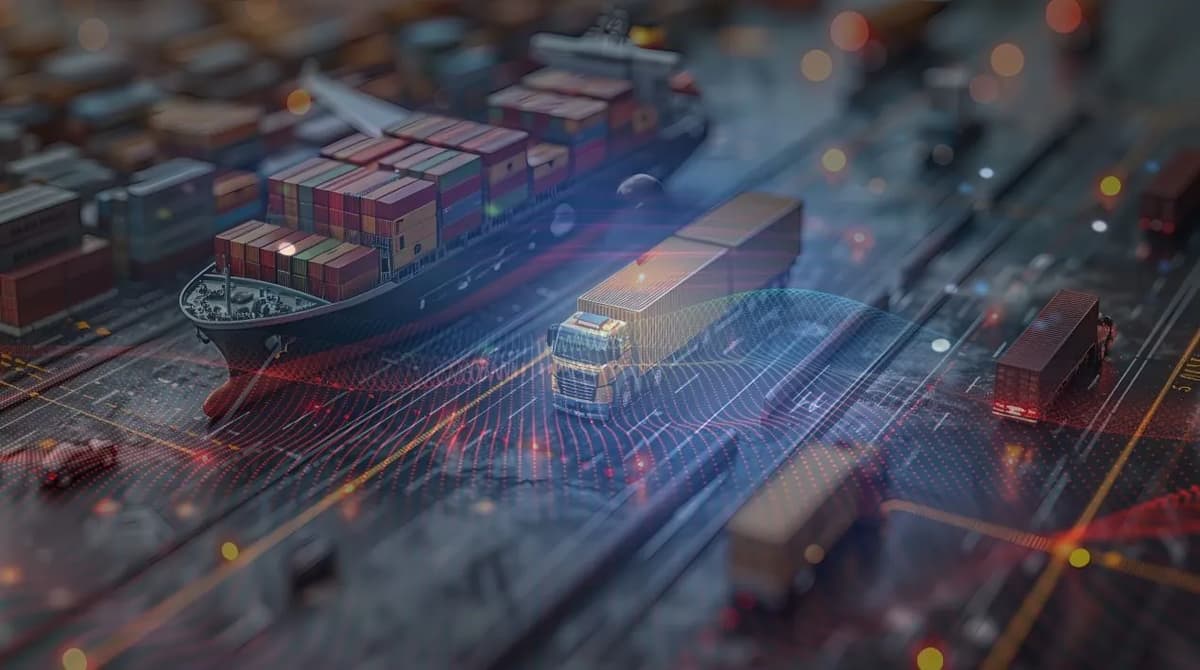
Singapore: AI, Smart Technology for Next-Gen Maritime Sector
•March 9, 2026
0
Why It Matters
Embedding AI and digital twins strengthens Singapore’s port efficiency, safety and global competitiveness, cementing its role as a leading maritime hub. The initiatives attract talent, investment and set industry benchmarks for smart shipping.
Key Takeaways
- •AI drives autonomous vessel trials for hydrographic surveys
- •Digital twins simulate port operations, improve planning
- •5G network enables real-time data exchange across waterways
- •Open APIs foster start‑up innovation in maritime tech
- •AI enhances safety, security, and environmental monitoring
Pulse Analysis
Singapore’s maritime dominance hinges on more than geographic advantage; it now rests on a sophisticated digital backbone. The MPA’s Maritime Singapore Master Plan positions artificial intelligence as a core enabler, linking autonomous surface vessels, predictive analytics and a Maritime Digital Twin (MDT) that mirrors port activity in a virtual sandbox. By feeding real‑time sensor streams into the MDT, operators can anticipate congestion, test emergency responses and fine‑tune cargo handling without disrupting live operations, driving unprecedented efficiency.
The rollout of high‑speed 5G across key waterways amplifies these capabilities, delivering sub‑second latency for vessel‑to‑shore communications. AI‑powered hazard detection and environmental monitoring systems now scan traffic lanes continuously, flagging risks before they materialise. Simultaneously, unmanned vessels equipped with AI sensors conduct hydrographic surveys at a fraction of traditional costs, reducing human exposure while improving data fidelity. Together, these technologies create a resilient, data‑rich ecosystem that elevates safety standards and operational agility.
Beyond the technology stack, MPA’s open‑innovation strategy invites startups, research institutes and global partners to plug into standardized APIs and developer toolkits. This collaborative model accelerates solution testing, from AI‑driven scheduling to automated cargo handling, and fuels a pipeline of home‑grown maritime tech firms. As other ports scramble to digitise, Singapore’s integrated approach—combining AI, 5G, digital twins and an inclusive ecosystem—sets a new benchmark, ensuring the city‑state remains the preferred gateway for international shipping and a magnet for maritime investment.
Singapore: AI, Smart Technology for Next-Gen Maritime Sector
0
Comments
Want to join the conversation?
Loading comments...