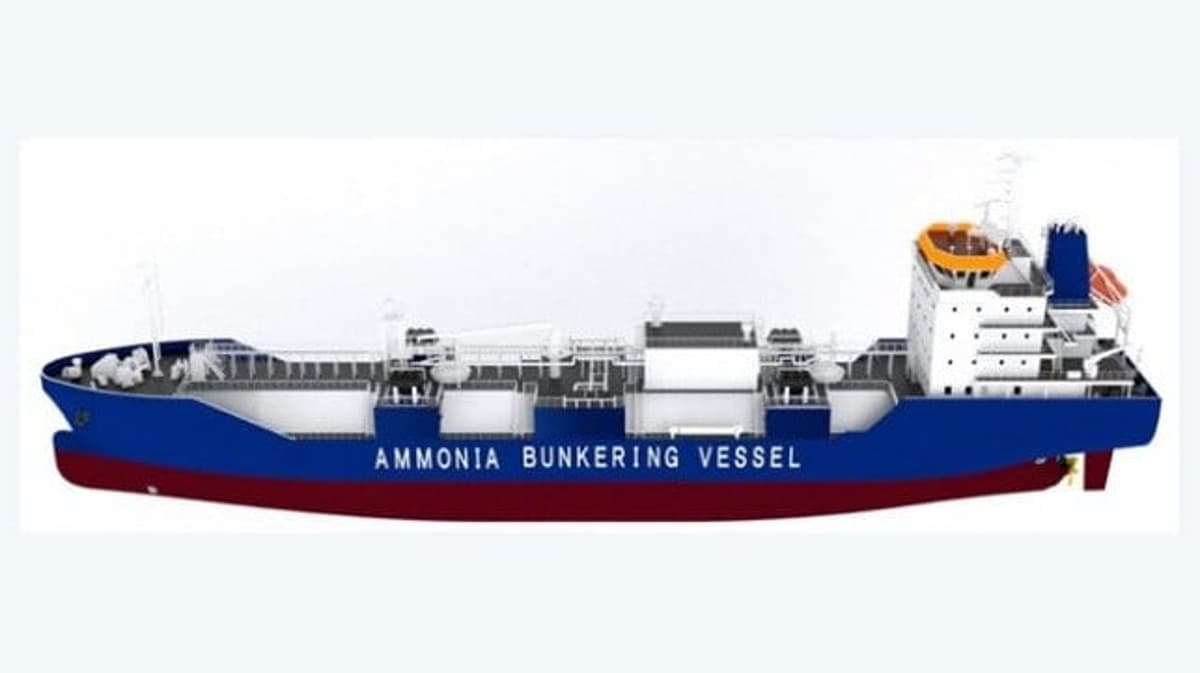
Singapore Issues First Authorization for Ammonia Bunkering Trials
Companies Mentioned
Why It Matters
The approval fast‑tracks commercial ammonia bunkering, a cornerstone of shipping’s decarbonisation strategy, and gives Singapore a strategic edge in emerging clean‑fuel markets.
Key Takeaways
- •MPA authorizes first ship‑to‑ship ammonia bunkering trial in Singapore.
- •Itochu's 5,000 cbm bunker vessel slated for delivery September 2027.
- •Three 210,000 dwt ammonia bulkers to be chartered by MOL.
- •Six chemical tankers ordered, two ammonia‑fitted at launch.
- •Trials aim to set global safety and operational standards.
Pulse Analysis
Ammonia is rapidly emerging as the most viable zero‑carbon marine fuel, offering a drop‑in replacement for heavy fuel oil without the need for extensive engine redesign. Singapore, already a global maritime hub, has invested heavily in regulatory frameworks and safety protocols to attract early‑stage projects. By granting the first ship‑to‑ship bunkering authorization, the Maritime and Port Authority signals confidence in the technology and creates a template that other ports can emulate, accelerating the industry’s shift toward greener propulsion.
The authorization covers a pilot program led by Itochu’s ZETA Bunkering, which will use a purpose‑built 5,000 cbm ammonia bunker vessel due in September 2027. Coupled with the MOL‑CMB.TECH joint venture’s three 210,000 dwt ammonia‑fitted bulk carriers and a suite of six chemical tankers, the initiative creates a full supply chain—from fuel production to delivery—within Singapore’s waters. Detailed risk assessments, emergency response plans, and a two‑year trial window ensure that safety and environmental safeguards are baked into operations, addressing stakeholder concerns and paving the way for commercial scaling.
For the broader shipping sector, the Singapore trials represent a critical proof point that could unlock financing and regulatory approval for ammonia projects worldwide. Establishing standardized bunkering procedures and safety benchmarks reduces uncertainty for ship owners, insurers, and investors, fostering market confidence. As major carriers commit to ammonia‑powered fleets, ports that can demonstrate reliable, compliant bunkering services—like Singapore—are poised to capture significant ancillary revenue and reinforce their status as essential nodes in the low‑carbon logistics network.
Singapore Issues First Authorization for Ammonia Bunkering Trials
Comments
Want to join the conversation?
Loading comments...