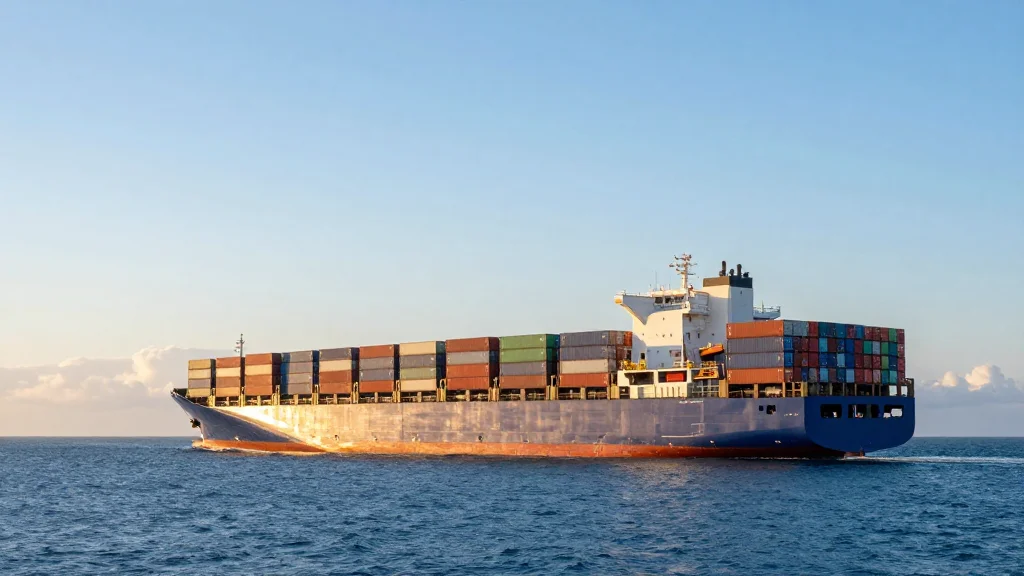
Singapore’s PIL Bets on Volume Growth From Vessel Deliveries, New Services
Why It Matters
The move positions PIL to capture expanding Asian trade volumes while offsetting industry‑wide capacity glut, signaling confidence in the region’s growth trajectory.
Key Takeaways
- •PIL will receive two 13,064‑TEU ships in 2026.
- •Total order includes five 13,000‑TEU vessels for fleet expansion.
- •New services target high‑growth Asian trade lanes.
- •CEO cites geopolitical risks but expects Asia to drive growth.
- •Volume growth strategy counters market oversupply concerns.
Pulse Analysis
The global container‑shipping sector is navigating a paradox of abundant new capacity and uneven demand. Over the past two years, shipowners have added thousands of twenty‑foot equivalent units (TEUs) to fleets, prompting concerns about a prolonged oversupply that could depress freight rates. Yet Asia remains the engine of growth, with its manufacturing output and consumer markets outpacing other regions, creating pockets of robust demand that can absorb new vessels if deployed strategically.
PIL’s latest plan reflects a calculated bet on that Asian momentum. By securing at least two 13,064‑TEU ships this year—part of a five‑vessel order for 13,000‑TEU class vessels—the carrier expands its ability to serve high‑volume lanes without sacrificing operational efficiency. The new services, though not fully detailed, are aimed at emerging trade corridors where capacity gaps persist, allowing PIL to capture freight that might otherwise flow to larger competitors. This dual approach of capacity addition and service diversification helps the Singapore‑based line mitigate the risk of idle tonnage while positioning it to win market share where demand is strongest.
For investors and industry observers, PIL’s actions underscore a broader shift: carriers are moving from pure cost‑cutting to targeted growth in regions that promise resilient cargo flows. If Asian trade continues its upward trajectory, PIL could see improved load factors and healthier yields, setting a benchmark for midsize shippers seeking to thrive amid a crowded market. Conversely, any escalation in geopolitical friction or supply‑chain disruptions could test the robustness of this volume‑focused strategy, making PIL’s execution a key watchpoint for the next fiscal cycle.
Singapore’s PIL bets on volume growth from vessel deliveries, new services
Comments
Want to join the conversation?
Loading comments...