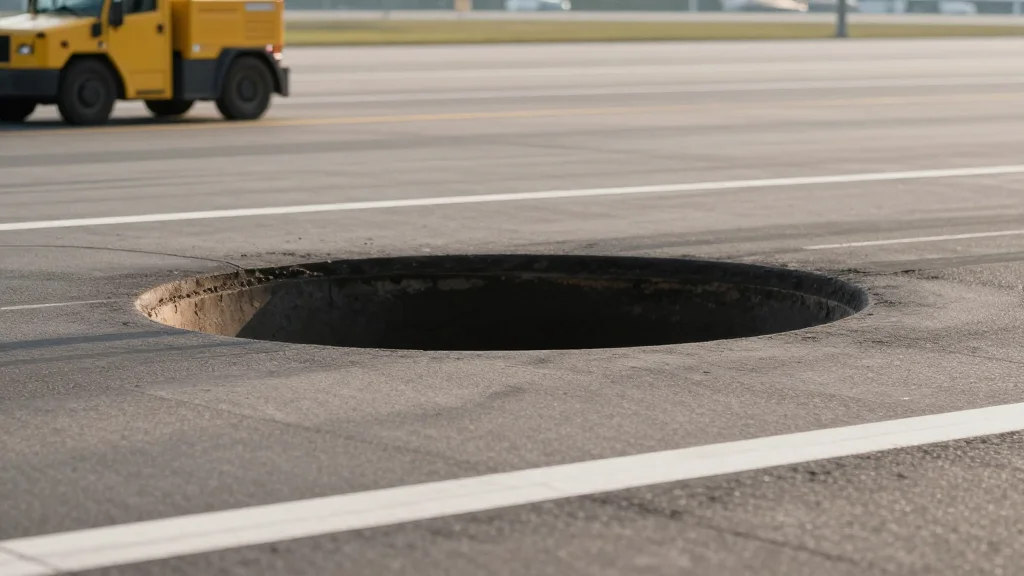
Sinkhole Shuts LaGuardia Runway 4/22, Delaying About 20 Flights

Companies Mentioned
Why It Matters
The sudden loss of a primary runway at LaGuardia underscores the vulnerability of aging infrastructure in high‑traffic airports. With the region already grappling with weather‑related disruptions and a recent fatal crash on the same strip, the incident raises questions about inspection protocols, ground‑stability monitoring, and investment priorities for the Port Authority. For airlines, the closure translates into operational headaches, higher crew costs, and potential revenue loss, especially during the Memorial Day travel surge. Beyond LaGuardia, the event serves as a cautionary signal for other legacy airports across the United States. As climate change intensifies extreme weather events, sinkholes and other ground‑movement hazards could become more frequent, prompting regulators and operators to reassess maintenance schedules, invest in subsurface imaging technologies, and develop more resilient contingency plans.
Key Takeaways
- •Port Authority discovered a sinkhole on runway 4/22 at LaGuardia around 11 a.m. Wednesday.
- •Runway shutdown caused delays for roughly 20 flights, with FAA reporting average departure delays of 105 minutes.
- •Thunderstorms forecast for the afternoon added to the disruption, with Queens under a severe thunderstorm watch until 9 p.m. ET.
- •Southwest spokesperson Lynn Lunsford noted the difficulty of isolating the sinkhole’s impact from weather‑related delays.
- •The incident follows a recent sinkhole on the Long Island Expressway and a March 22 crash on the same runway.
Pulse Analysis
LaGuardia’s sinkhole highlights a convergence of operational risk and infrastructure decay that could reshape how major airports allocate capital. Historically, runway closures at top‑tier hubs have been rare and usually tied to weather or security incidents; a geotechnical failure introduces a new variable that regulators may soon require more rigorous monitoring for. The Port Authority’s rapid response—shutting the runway within minutes and deploying emergency crews—demonstrates procedural readiness, yet the incident also reveals a gap in predictive maintenance. Advanced subsurface radar and real‑time soil‑moisture sensors could flag emerging voids before they breach the surface, a technology currently underused in U.S. aviation facilities.
From a market perspective, the disruption may accelerate airlines’ push for greater schedule flexibility and diversified hub usage. Carriers that can quickly shift capacity to nearby airports will mitigate revenue loss, while those heavily reliant on LaGuardia’s slots could see a short‑term dip in load factors. Investors will likely watch the Port Authority’s repair timeline and any subsequent funding requests closely, as prolonged downtime could trigger a reassessment of the agency’s capital plan. In the broader transportation ecosystem, the event serves as a reminder that surface‑level infrastructure—roads, bridges, and runways—remains a hidden but critical component of the nation’s mobility network, demanding renewed attention from both public and private stakeholders.
Sinkhole Shuts LaGuardia Runway 4/22, Delaying About 20 Flights
Comments
Want to join the conversation?
Loading comments...