Snap Insight: Indonesia in Need of Rail Safety Overhaul After Fatal Train Crash
Why It Matters
The incident exposes critical gaps in Indonesia’s rail safety infrastructure, and the government’s limited funding response may fall short of preventing future tragedies, affecting commuter confidence and economic productivity.
Key Takeaways
- •15 dead, 80+ injured in Bekasi train collision.
- •President allocates $231 M to upgrade 1,800 Java level crossings.
- •Overpass cost ~ $9 M each; budget covers ~26 structures.
- •Experts demand separate tracks for commuter and long‑distance trains.
- •Women‑only carriages stay at ends; relocation deemed impractical.
Pulse Analysis
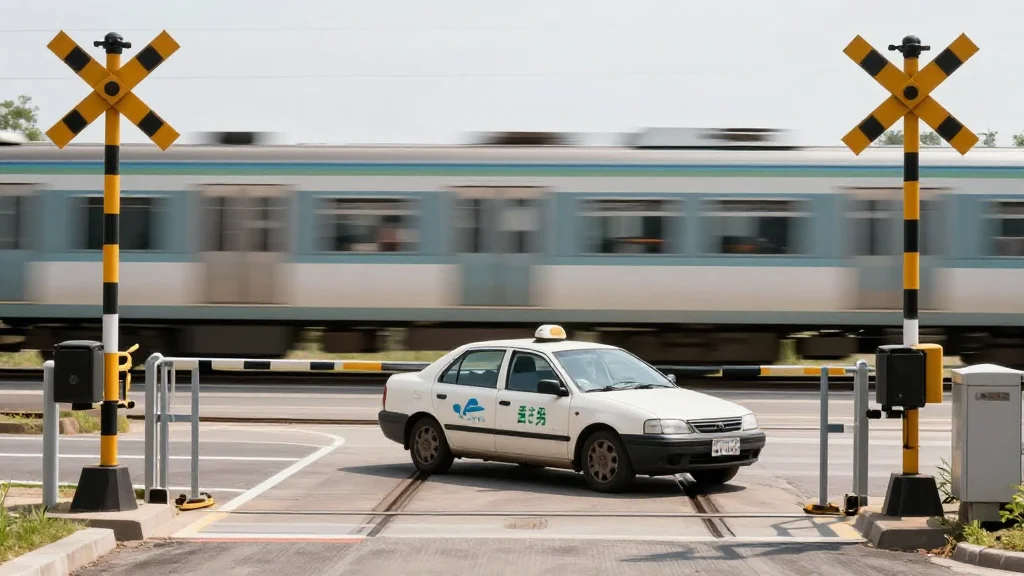
Indonesia’s rail network has long been plagued by unsafe level crossings, but the Bekasi tragedy on April 27 thrust the issue into the national spotlight. A broken‑down electric taxi on an unmanned crossing was hit by a commuter train, which then collided with a stationary long‑distance service, crushing a packed women‑only carriage. The crash left 15 dead and over 80 injured, underscoring the lethal combination of inadequate crossing controls, driver non‑compliance, and aging signaling systems that account for roughly 300 crossing accidents annually, 81% of them at unmanned sites.
In response, President Prabowo Subianto announced a $231 million budget to upgrade 1,800 Java crossings, a move that aligns with his pledge to phase out level crossings nationwide. However, a 2022 Ministry of Public Works estimate puts the price of a single overpass at about $9 million, meaning the allocation could fund only around 26 structures. Critics argue the funding is insufficient for the scale of the problem, suggesting a phased approach that prioritises high‑traffic corridors in Greater Jakarta and consolidates multiple crossings into single grade‑separated solutions. The debate highlights the tension between political commitments and the massive capital required for comprehensive rail safety modernization.
Beyond infrastructure, the crash sparked broader policy discussions. Transportation experts called for dedicated tracks for commuter and long‑distance services to reduce scheduling conflicts and collision risk. Meanwhile, the proposal to relocate women‑only carriages to train middles was dismissed as impractical, given security and accessibility concerns. Stakeholders also demand a transparent investigation into signaling failures, urging the National Transportation Safety Committee to audit the entire system. The incident thus serves as a catalyst for Indonesia to overhaul its rail safety regime, improve gender‑sensitive service design, and restore public confidence in a system vital to the nation’s economic engine.
Snap Insight: Indonesia in need of rail safety overhaul after fatal train crash
Comments
Want to join the conversation?
Loading comments...