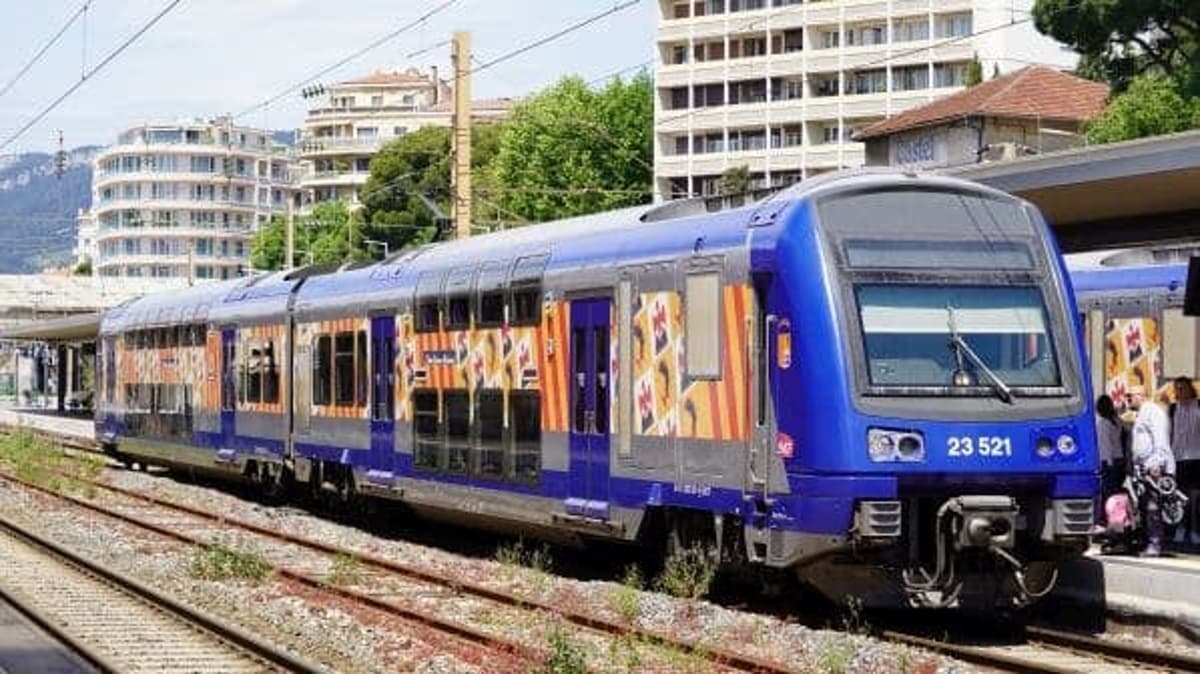
SNCF Passenger Signs Operating Contract with Sud Region
Why It Matters
The deal deepens public‑private collaboration in French regional rail, boosting capacity ahead of a major international event and showcasing the profitability of competitive concessions. It also signals strong regional investment in modern rolling stock and infrastructure, setting a benchmark for other European rail markets.
Key Takeaways
- •SNCF Passenger wins €1.8bn (≈$1.94bn) 10‑year contract in PACA.
- •Service frequency will rise 30% across five key routes.
- •New express cuts Marseille‑Briançon travel by 1h10m for 2030 Olympics.
- •Region funds 22 CAF Régiolis EMUs (€250m ≈$270m) and depot upgrades.
- •82% public approval reflects successful rail competition since 2016.
Pulse Analysis
The latest concession awarded to SNCF Passenger underscores France’s strategic shift toward competitive tendering for regional rail services. Since opening the TER market in 2016, the Sud region has leveraged private expertise to improve reliability and attract riders, now reflected in an 82 percent approval rating. By locking in a decade‑long, €1.8 billion contract, the region ensures stable revenue streams for SNCF while retaining oversight of service standards, a model that other European jurisdictions are watching closely as they contemplate similar reforms.
Operationally, the contract brings a 30 percent increase in train frequencies across five corridors that link Marseille with coastal and alpine destinations. The highlight is a new express service on the non‑electrified Marseille‑Briançon line, timed for the 2030 Winter Olympics. Infrastructure upgrades—including 120 km of track renewal and new passing loops—will enable a reduction in journey time from 4 hours 50 minutes to 3 hours 40 minutes, enhancing the region’s appeal to tourists and commuters alike. These improvements are funded largely by the regional authority, demonstrating a proactive approach to meeting future demand.
Financially, the partnership involves significant capital investment: €250 million (≈$270 million) for 22 CAF‑manufactured Régiolis EMUs and €46 million (≈$50 million) for depot modernization in Marseille and a new maintenance hub in Briançon. Such spending not only modernizes the fleet but also stimulates local industry and job creation. The contract’s scale and the accompanying infrastructure program illustrate how regional governments can de‑risk large‑scale rail projects while leveraging private operational expertise, a blueprint that could reshape rail procurement across the EU.
SNCF Passenger signs operating contract with Sud region
Comments
Want to join the conversation?
Loading comments...