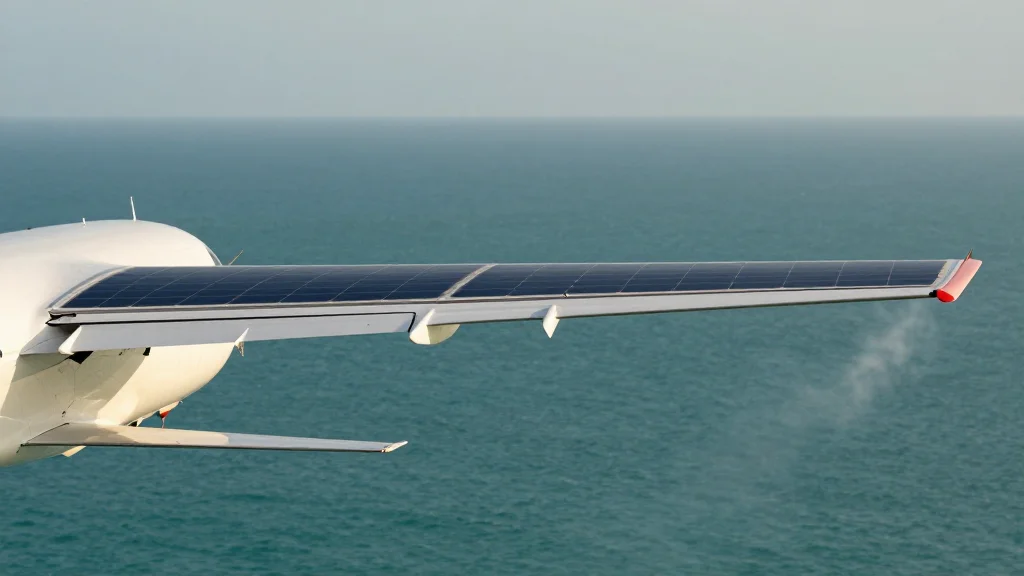
Solar Impulse 2, Famous for Around-the-World Flight, Crashes Into Gulf Waters
Why It Matters
The loss of a high‑profile solar‑powered demonstrator could slow progress in ultra‑long‑duration UAV development and raise safety concerns for renewable‑energy aviation projects.
Key Takeaways
- •Solar Impulse 2 crashed off Mississippi Gulf on May 4, 2026
- •Skydweller Aero converted it to unmanned surveillance platform
- •No crew aboard; no injuries reported
- •Incident underscores risks of repurposing experimental aircraft
- •May delay solar‑powered UAV commercialization and funding
Pulse Analysis
The Solar Impulse 2 project captured global attention in 2016 when a manned, solar‑powered aircraft completed a full circumnavigation without a single drop of fuel. After its historic flight, the Swiss‑Spanish venture Skydweller Aero purchased the airframe in 2019, retrofitting it with autonomous flight controls and a payload suite aimed at long‑duration surveillance. The conversion represented a rare bridge between experimental aerospace research and practical, commercial unmanned aerial systems, promising months‑long endurance on a single day’s sunlight.
Solar‑powered UAVs like the Skydweller‑modified Impulse 2 are engineered to exploit high‑efficiency photovoltaic cells, lightweight composites, and advanced energy‑management software. By storing excess solar energy in high‑density batteries, these platforms can maintain altitude for weeks, offering persistent coverage for border monitoring, maritime security, and environmental observation. The crash, however, raises questions about the reliability of legacy airframes when subjected to autonomous operations, especially in variable Gulf weather. Investigators will likely focus on whether a sudden gust, sensor malfunction, or software glitch triggered the descent, insights that could inform design standards for future solar UAVs.
The broader aerospace community views the incident as a cautionary signal for investors and regulators. While the promise of zero‑emission, high‑endurance flight aligns with sustainability goals, the loss of a marquee demonstrator may temper enthusiasm and delay funding for similar projects. Nonetheless, the data gathered from the Impulse 2’s operational phase remains valuable, and Skydweller Aero’s ongoing programs continue to push the envelope. Industry analysts expect that lessons learned will accelerate the development of purpose‑built solar platforms, ultimately delivering the reliability needed for large‑scale adoption.
Solar Impulse 2, Famous for Around-the-World Flight, Crashes Into Gulf Waters
Comments
Want to join the conversation?
Loading comments...