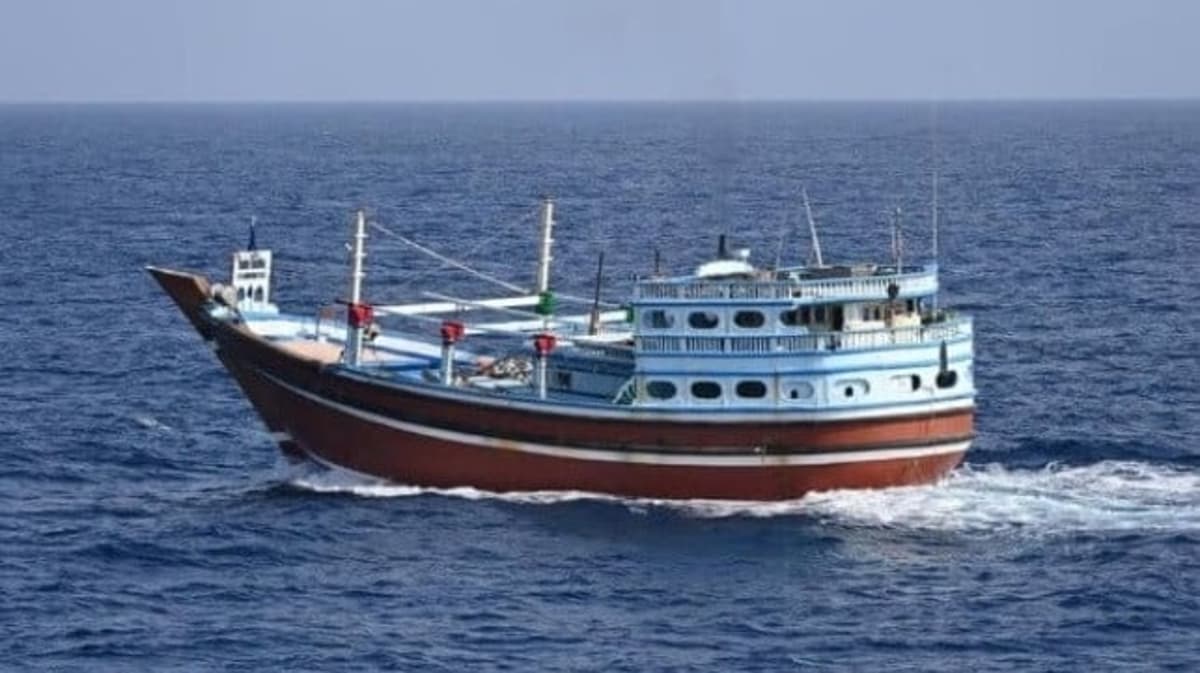
Somali Pirate Group Abandons Dhow Citing Increased Security Warnings
Why It Matters
The incident underscores how heightened maritime security alerts can quickly disrupt pirate operations, protecting high‑value oil shipments and reducing insurance costs for carriers navigating the Gulf of Aden.
Key Takeaways
- •Pirate group abandoned seized dhow after supply shortage and heightened alerts
- •MSCIO and Atalanta warned ships to stay 150 nm off Somali coast
- •Three vessels still hijacked, including tanker Honour 25 and cargo Sward
- •Rising oil prices make tankers more attractive targets for Somali pirates
- •Armed guards on tankers successfully deterred pirate skiffs in recent attacks
Pulse Analysis
The Gulf of Aden has re‑emerged as a flashpoint for piracy, driven by a confluence of market and geopolitical forces. Crude oil prices have climbed sharply, inflating the financial payoff for hijacking tankers loaded with premium cargoes. At the same time, naval assets that traditionally patrolled the region have been redirected to counter Houthi missile attacks off Yemen, creating a temporary security vacuum that opportunistic pirate groups have exploited. This backdrop explains the recent spate of vessel seizures and the aggressive tactics observed in late April and early May.
Maritime security agencies such as MSCIO and the EU‑backed Operation Atalanta have responded with a series of escalated advisories. Their latest directive urges commercial vessels to maintain a minimum distance of 150 nautical miles from the Somali coastline and to consider rerouting around the Bab al‑Mandeb when feasible. The effectiveness of these measures is evident in the Minerva Pisces incident, where onboard armed guards forced a pirate skiff to retreat after a close‑range approach. Such deterrence tactics, combined with real‑time intelligence sharing, are proving critical in safeguarding high‑value assets and preserving the flow of oil from the Middle East to global markets.
For the shipping industry, the implications are twofold. First, the risk of piracy spikes insurance premiums and may compel operators to invest in private security solutions, raising operational costs. Second, sustained pirate activity could disrupt supply chains, prompting shippers to seek alternative routes or invest in advanced tracking technologies. Continued collaboration between flag states, private security firms, and multinational naval coalitions will be essential to maintain a secure maritime environment and prevent piracy from eroding trade efficiency in one of the world’s busiest shipping corridors.
Somali Pirate Group Abandons Dhow Citing Increased Security Warnings
Comments
Want to join the conversation?
Loading comments...