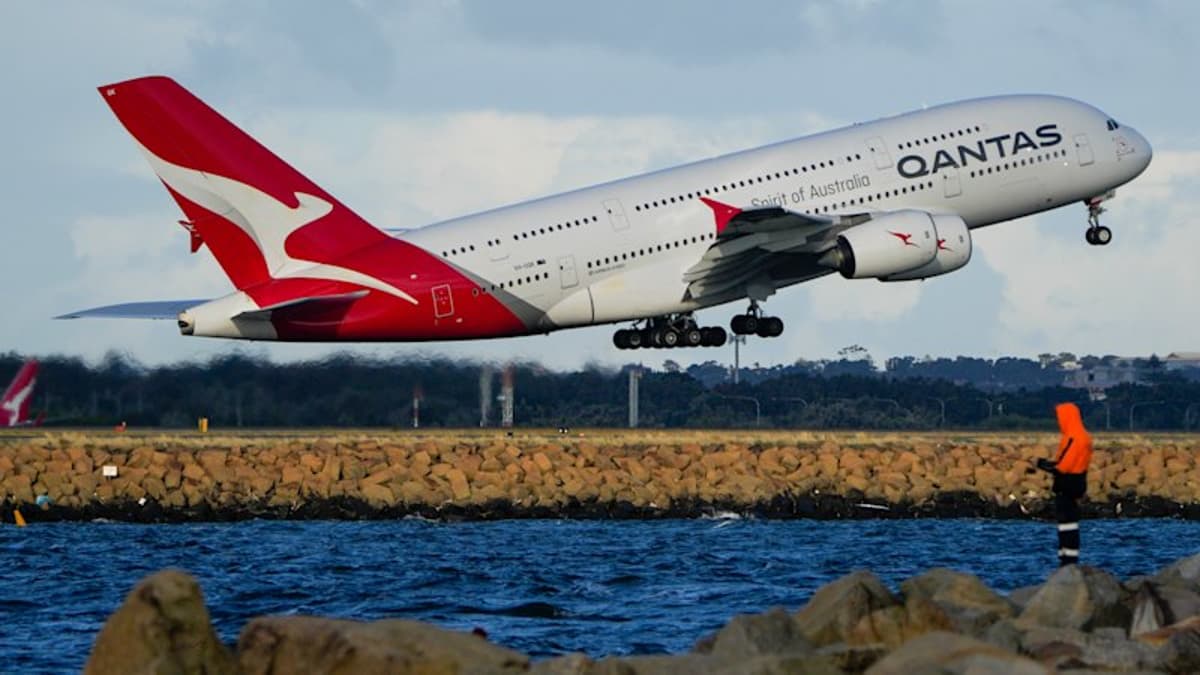
Some A380s Grounded Amid Emergency Inspections for Wing Spar Cracks
Companies Mentioned
Why It Matters
Wing‑spar cracks jeopardize structural integrity, potentially grounding a sizable share of the world’s largest passenger aircraft and accelerating airlines' plans to replace aging A380s.
Key Takeaways
- •EU regulator mandates emergency inspections for A380 wing spars
- •Qantas’ VH‑OQI grounded; inspections required within 25 flight cycles
- •Five A380s need immediate inspection; repairs pending Airbus assessment
- •Issue revives Qantas’ consideration of replacing A380s with A350 or 787
- •Similar spar cracks previously reported in stored A380s during COVID‑19
Pulse Analysis
The discovery of wing‑spar cracks in Airbus’s flagship A380 has reignited safety concerns for the aging superjumbo fleet. While the aircraft remains a marvel of engineering, its complex wing structure—comprising front, rear, and mid‑spars—relies on pristine metal integrity. Cracks, even microscopic, can compromise load‑bearing capacity, prompting the European Union Aviation Safety Agency to issue an emergency directive. This move underscores regulators’ heightened vigilance as aircraft age and as maintenance histories become more varied after the pandemic‑induced storage period.
Airlines operating A380s face immediate operational challenges. Qantas, Emirates, and other carriers must ground affected jets, conduct invasive inspections that involve accessing the wing’s interior through fuel tanks, and await Airbus’s assessment before returning aircraft to service. For Qantas, the grounded VH‑OQI adds pressure to its ongoing evaluation of fleet renewal, with the A350 and Boeing 787 emerging as likely successors. The directive also forces airlines to re‑schedule capacity, potentially impacting premium long‑haul routes and prompting short‑term lease or charter solutions to maintain market presence.
Beyond individual carriers, the incident may accelerate the broader industry shift away from very large aircraft. Airlines have already been trimming A380 numbers in favor of more fuel‑efficient twin‑jets, and heightened scrutiny of structural health could hasten retirements. Moreover, the episode highlights the importance of proactive monitoring technologies, such as advanced non‑destructive testing and real‑time structural health sensors, which could become standard on aging fleets. As regulators and manufacturers collaborate on remediation, the A380’s future will likely hinge on the balance between repair costs, safety assurance, and the economic case for newer, smaller wide‑bodies.
Some A380s grounded amid emergency inspections for wing spar cracks
Comments
Want to join the conversation?
Loading comments...