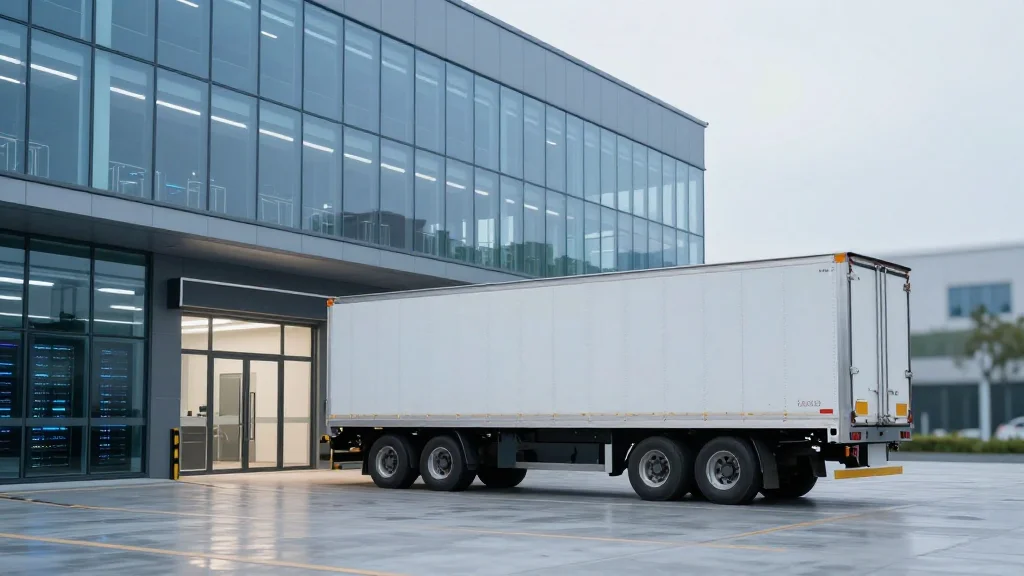
SONAR Sitrep: AI Data Center Build-Out Fuels US Freight Surge
Why It Matters
The surge reshapes freight demand, creating both capacity constraints and revenue opportunities for carriers, while forcing logistics planners to adapt to unprecedented volume and specialized cargo.
Key Takeaways
- •AI data centers spend $18.8B every five weeks on construction.
- •18.9M extra truckloads projected from 2026‑2031.
- •Flatbed rejection rates reach multi‑year highs due to steel, concrete.
- •Over $500B annual data‑center investment expected by 2027.
- •70% of demand will be truckload moves, straining capacity.
Pulse Analysis
The AI‑driven data‑center expansion is redefining U.S. infrastructure spending. By allocating roughly $18.8 billion every five weeks—mirroring the annual outlay of the historic Interstate Highway System—the sector is accelerating construction and power‑grid projects at a pace never seen before. This capital intensity translates into a projected $4.16 trillion investment over six years, with annual spending expected to exceed $500 billion by 2027. Such scale not only fuels the tech ecosystem but also creates a massive logistical footprint that ripples through the broader economy.
Freight operators are feeling the pressure first‑hand. The influx of concrete, structural steel, generators, transformers and precision‑cooling equipment is driving an estimated 18.9 million extra truckloads between 2026 and 2031. Flatbed carriers report rejection rates at multi‑year highs, while van and reefer fleets are stretched by shipments of semiconductors, batteries and other temperature‑sensitive components. Approximately 70 % of this demand will travel by truckload, squeezing capacity across all modes and prompting carriers to re‑evaluate routing, equipment allocation, and pricing strategies.
For logistics professionals, the data‑center surge presents both a challenge and an opportunity. Companies that can secure capacity, optimize load planning, and leverage real‑time intelligence—such as FreightWaves’ SONAR platform—will capture premium freight revenue and mitigate service disruptions. Anticipating where utility‑side transmission projects and grid upgrades will occur can further refine network design. As the AI infrastructure wave continues, forward‑looking shippers and carriers that adapt quickly will gain a competitive edge in what could become the decade’s defining freight market.
SONAR Sitrep: AI data center build-out fuels US freight surge
Comments
Want to join the conversation?
Loading comments...