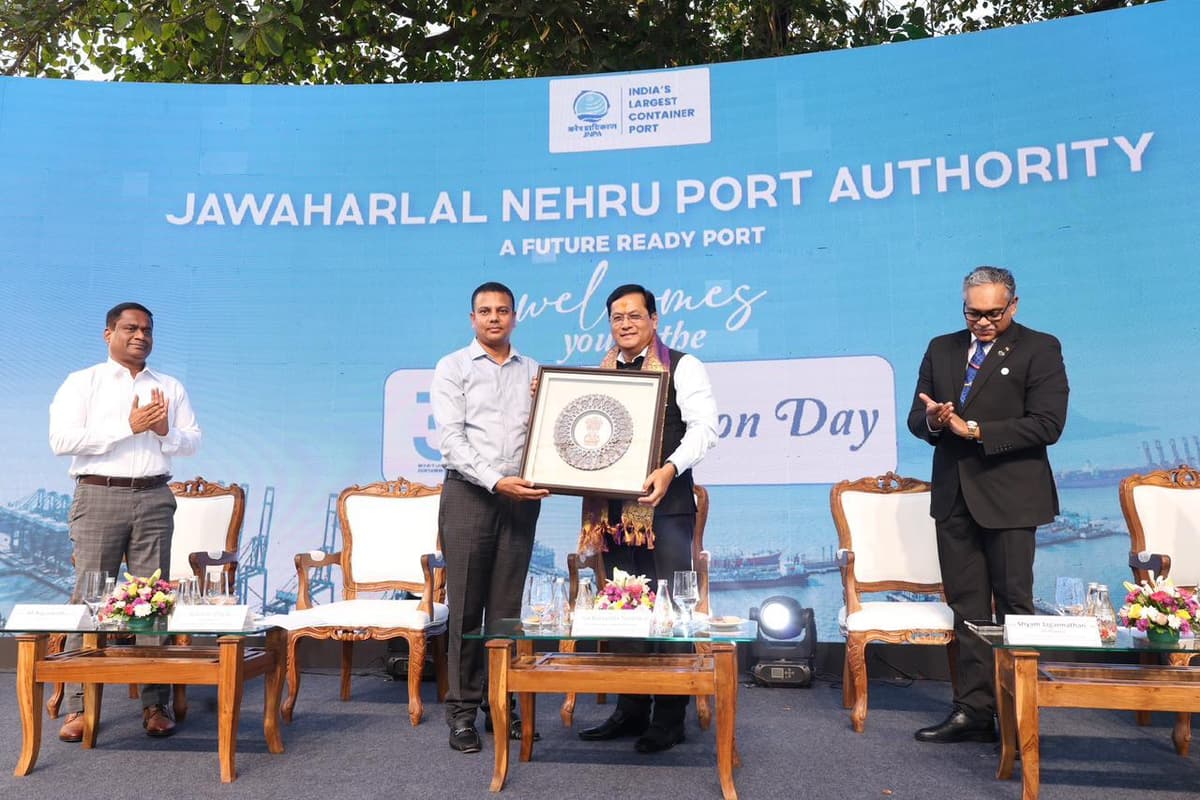
Sonowal Launches Port Performance Index, Digital Maritime Reforms to Boost Competitiveness
Why It Matters
The LPPI introduces data‑driven accountability that can lift Indian ports into global competitiveness, while the digital reforms reduce administrative friction and improve seafarer welfare, attracting more trade and investment.
Key Takeaways
- •LPPI benchmarks Indian ports across dry bulk, liquid bulk, container cargo
- •Equal weight on absolute performance and year‑on‑year improvement drives efficiency
- •New digital tools streamline ship registration, grievance redressal, medical certification
- •Ship recycling credit gives owners up to 40% scrap value
- •JNPA processed 8 million TEUs and 102 million tonnes FY25‑26
Pulse Analysis
India’s maritime modernization gained momentum with the launch of the Logistics Port Performance Index (LPPI), a data‑rich tool that evaluates ports on cargo volume, vessel turnaround, berth idle time and other key indicators. By giving equal weight to absolute performance and year‑on‑year improvement, the LPPI encourages continuous operational upgrades and provides a transparent benchmark for global investors. The index dovetails with the PM Gati Shakti National Master Plan and the long‑term Maritime India Vision 2030, signalling the government’s commitment to integrate ports into a seamless logistics ecosystem.
Complementing the LPPI, the Directorate General of Shipping introduced four digital platforms designed to cut red tape and enhance stakeholder experience. The 24×7 grievance redressal module on e‑Navik lets seafarers lodge complaints via portal, WhatsApp or toll‑free lines, improving welfare and compliance. A streamlined ship registration module on e‑Samudra aligns India with leading maritime nations, while a medical practitioner system curbs fraudulent certifications. The unified ship‑recycling portal offers a credit note worth up to 40% of a vessel’s scrap value, part of a ₹700‑billion (≈$8.4 billion) development package, incentivising recycling in Hong Kong Convention‑compliant yards and feeding credits into new shipbuilding projects.
These initiatives collectively boost the competitiveness of Indian ports, making them more attractive for global shipping lines seeking reliable, transparent services. Faster turnaround and reduced idle time can lower freight costs, while digital reforms enhance regulatory predictability and seafarer satisfaction. As JNPA already handled 8 million TEUs and over 102 million tonnes, the LPPI and accompanying tech upgrades are poised to accelerate growth, support India’s ambition to become a leading maritime hub by 2047.
Sonowal Launches Port Performance Index, Digital Maritime Reforms to Boost Competitiveness
Comments
Want to join the conversation?
Loading comments...