South Africa: Action Demanded Over Nyanga Taxi Attacks - South African News Briefs - March 10, 2026
•March 10, 2026
0
Why It Matters
Escalating taxi rank violence threatens commuter safety and economic activity, prompting urgent security upgrades, while the military deployment signals a heightened state response to organized crime and the Lekota memorial underscores shifting political dynamics.
Key Takeaways
- •CATA urges cameras after two taxi rank arsons.
- •550 soldiers deployed to Gauteng under “Prosper” operation.
- •Mosiuoa Lekota’s memorials scheduled March 11‑14.
- •Western Cape MEC proposes drones for rank safety.
- •Deployment costs exceed R80 million, runs Jan‑Apr 2026.
Pulse Analysis
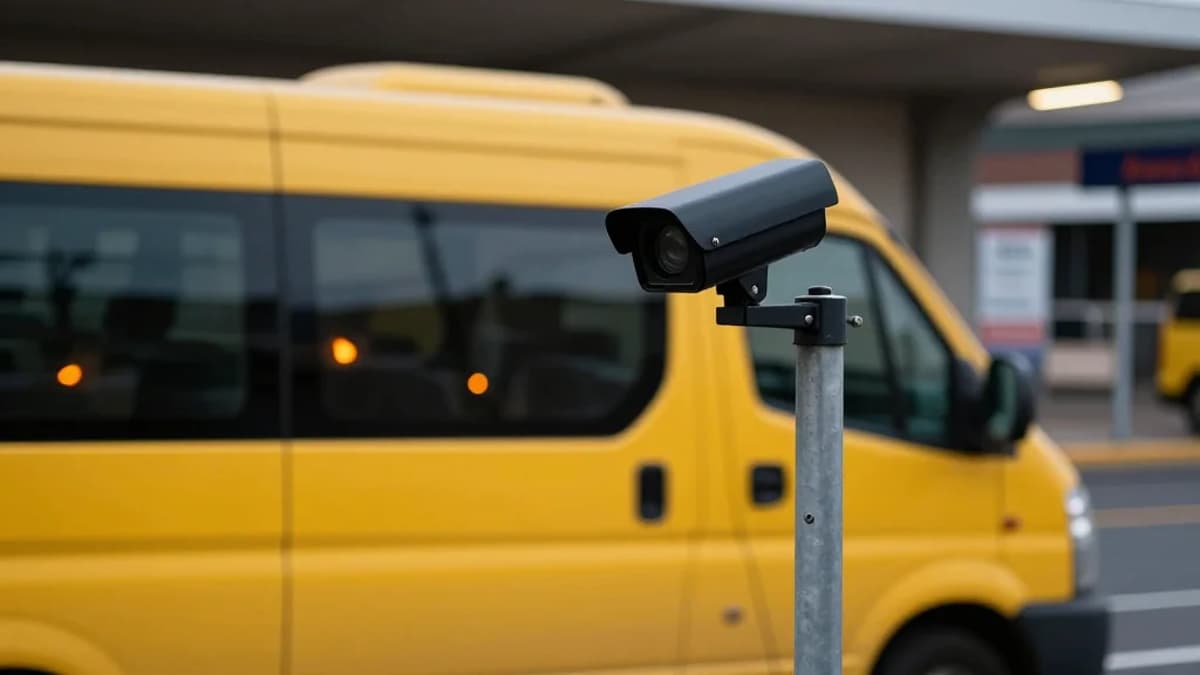
Taxi ranks in South Africa have long been flashpoints for crime, but the recent arson attacks at Nyanga—where nine minibuses were set ablaze and several shootings were reported—have pushed the issue into the national spotlight. The Cape Amalgamated Taxi Association (CATA) is now pressing municipal authorities to install CCTV systems, arguing that real‑time footage could deter perpetrators and speed up investigations. Western Cape Mobility MEC Isaac Sileku has echoed the demand and floated the use of aerial drones to monitor high‑risk zones, a move that could reshape urban security protocols if funded.
At the same time, President Cyril Ramaphosa has escalated the security response by deploying 550 soldiers to Gauteng under the “Prosper” operation, targeting the province’s burgeoning illegal mining networks. The deployment, which also includes contingents in the Western Cape, Eastern Cape and Free State, is budgeted at more than R80 million and will run from late January to the end of April. Analysts view the military presence as a double‑edged sword: it may curb illicit extraction and associated violence, but it also raises questions about the capacity of police forces and the long‑term sustainability of armed interventions.
The news cycle also marked the passing of Mosiuoa Lekota, a founding figure of the Congress of the People (COPE), with memorial services scheduled in Soweto and Bloemfontein. Lekota’s death closes a chapter for a party that has struggled to maintain relevance in a polarized political landscape, and his state‑approved funeral signals the government’s recognition of his role in post‑apartheid governance. Together, the taxi safety push, the soldier deployment, and the political mourning illustrate how security, infrastructure, and leadership transitions are intersecting in South Africa’s evolving socio‑economic narrative.
South Africa: Action Demanded Over Nyanga Taxi Attacks - South African News Briefs - March 10, 2026
0
Comments
Want to join the conversation?
Loading comments...