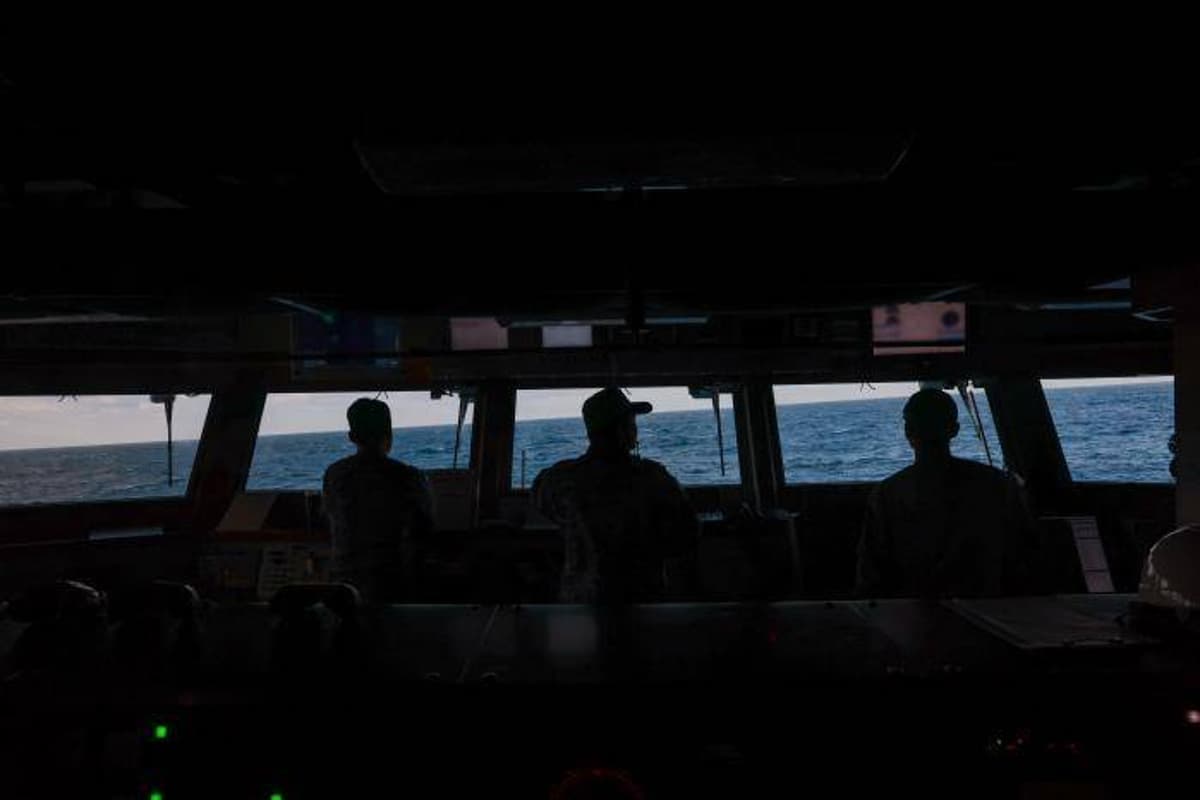
South Korea Weighs Phased Role in Hormuz Mission
Why It Matters
The move signals Seoul’s willingness to share the burden of global maritime security while balancing domestic constraints, reinforcing the U.S.–South Korea alliance in a volatile region.
Key Takeaways
- •South Korea considers phased, non‑combat support for Hormuz security.
- •Options include political backing, personnel, intel sharing, and asset provision.
- •No concrete plans to expand troop deployment discussed yet.
- •Decision will require domestic legal approval in Seoul.
- •U.S. defense chief urges allies to shoulder security burdens.
Pulse Analysis
The Strait of Hormuz remains a chokepoint for roughly a fifth of the world’s oil supply, making its security a priority for both regional actors and global powers. Recent attacks on commercial vessels, including a South Korean‑flagged ship, have heightened concerns about navigation safety and underscored the need for coordinated deterrence. By inviting allies to contribute, Washington aims to project a united front against disruptions that could reverberate through energy markets and supply chains.
Seoul’s proposal of a phased, non‑combat role reflects a nuanced calculus. While South Korea seeks to demonstrate alliance reliability, its constitution and public opinion impose strict limits on overseas military engagements. The defense minister’s outline—political statements, limited personnel, intelligence exchanges, and asset sharing—offers a flexible framework that can be scaled up or down without breaching domestic legal thresholds. This approach also dovetails with South Korea’s broader defense modernization, including plans for nuclear‑powered submarines, positioning the country as a more capable, albeit cautious, security partner.
For the broader strategic landscape, South Korea’s tentative involvement could ease the United States’ burden of maintaining a constant presence in the Gulf, reinforcing the principle of burden‑sharing that President Trump highlighted in Operation Epic Fury. If Seoul proceeds, it may set a precedent for other regional allies to adopt similar incremental contributions, potentially reshaping collective security dynamics in the Middle East. Conversely, any hesitation could signal limits to the alliance’s reach, prompting Washington to reassess its reliance on partner nations for maritime stability.
South Korea Weighs Phased Role in Hormuz Mission
Comments
Want to join the conversation?
Loading comments...