South Korean Probe Refers 12 Officials Over Jeju Air Crash Recovery Failures

Companies Mentioned
Why It Matters
The Jeju Air crash exposes two critical vulnerabilities in aviation safety: human decision‑making under extreme stress and the operational readiness of airports to mitigate bird‑strike hazards. By scrutinizing the pilots’ go‑around response, regulators can refine training curricula to balance rapid reaction with analytical pause, potentially reducing the likelihood of similar accidents. Simultaneously, the mishandling of victim recovery highlights a gap in emergency‑response protocols that, if left unaddressed, erodes public confidence and hampers timely identification of the deceased. Strengthening oversight and establishing clear recovery manuals will improve crisis management across the industry. Moreover, the disciplinary actions against 12 officials send a clear message that procedural compliance is non‑negotiable, especially in high‑stakes environments like aviation. The case may prompt other nations to audit their own post‑crash procedures, leading to a global uplift in standards for both flight‑deck decision‑making and ground‑level emergency response.
Key Takeaways
- •12 officials referred for disciplinary action after investigation into Jeju Air crash
- •179 passengers and crew killed in Dec. 29 belly‑landing at Muan International Airport
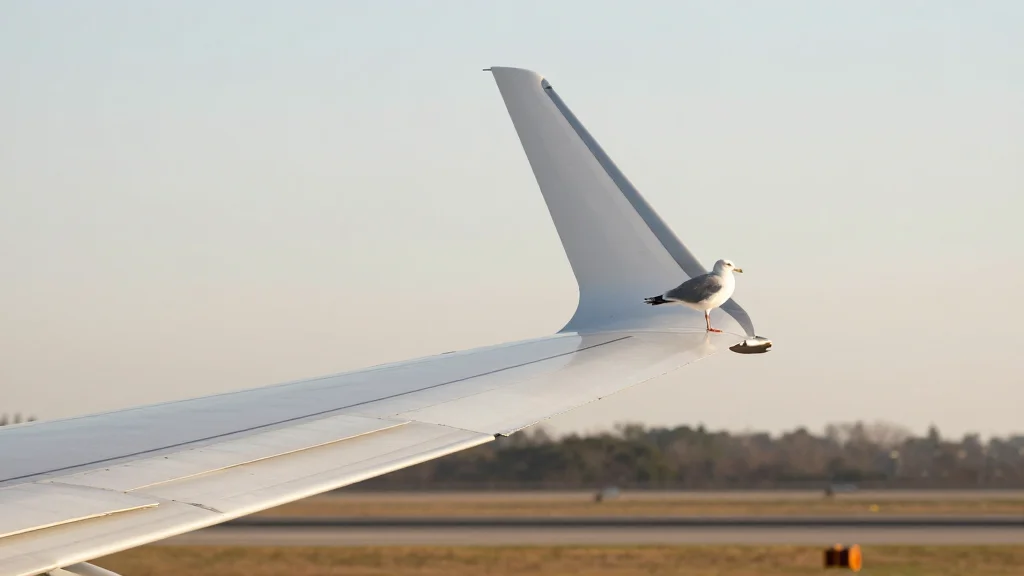
- •Pilots shouted “Go around!” nine seconds after spotting birds, initiating a failed missed‑approach
- •Boeing guidance warns go‑around can increase engine damage from bird strikes
- •Lack of specific recovery manuals led to remains being stored in open burlap bags for months
Pulse Analysis
The Jeju Air incident is a textbook case of how human factors and systemic oversights can converge into a catastrophic outcome. Historically, aviation safety improvements have often followed high‑profile accidents—think of the post‑Hudson River changes to ditching procedures. Here, the startle effect and the pilots’ instinct to abort the landing mirror earlier incidents where rapid, uncalculated actions exacerbated an already precarious situation. The presence of a simulator scenario for dual‑engine loss, yet the absence of mandatory training for such an event, reveals a mismatch between airline training policies and the realities pilots may face.
From a regulatory perspective, the disciplinary referrals are a rare public acknowledgment of accountability at the bureaucratic level. In many jurisdictions, investigations stop at technical findings, leaving administrative lapses unpunished. South Korea’s decision to hold transport ministry officials and investigation board members accountable could set a precedent, encouraging other governments to scrutinize their own emergency‑response frameworks. The identified gaps—insufficient bird‑strike detection infrastructure and the lack of a recovery manual—are low‑cost, high‑impact fixes that could be adopted worldwide.
Looking ahead, the industry is likely to see a push for more comprehensive training that incorporates simulated dual‑engine failures and decision‑making under duress, possibly integrating cognitive‑load assessments into pilot certification. Airports may also invest in bird‑strike mitigation technologies, such as radar‑based detection and automated alerts, to give pilots real‑time situational awareness. If these measures are implemented, the Jeju Air crash could become a catalyst for a new wave of safety reforms that address both the human and environmental variables that shape aviation risk.
South Korean Probe Refers 12 Officials Over Jeju Air Crash Recovery Failures
Comments
Want to join the conversation?
Loading comments...