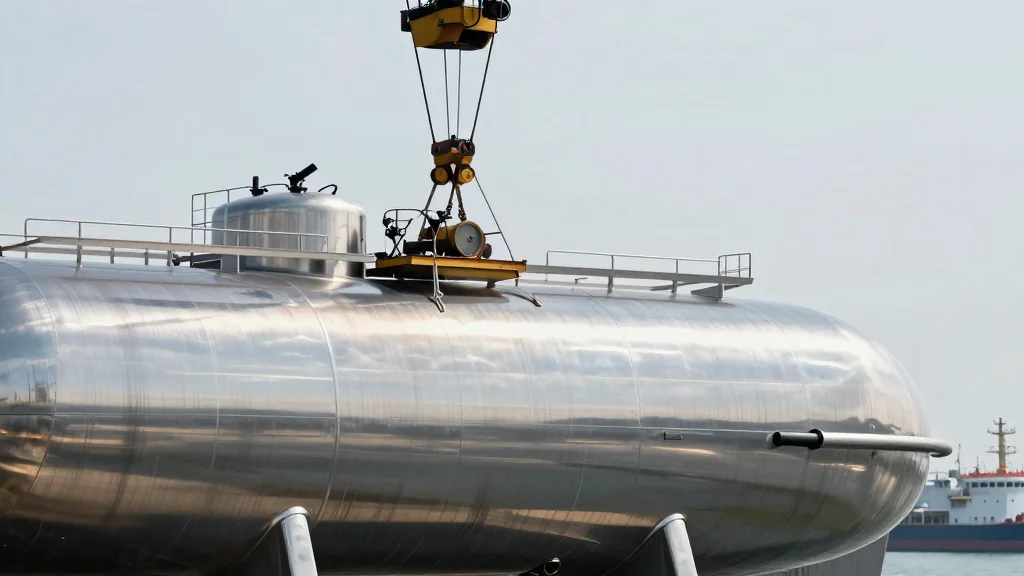
South Korea’s Heung-A Books up to Six Chemical Tankers in China
Why It Matters
The contract signals a strategic pivot toward Chinese shipyards, potentially reshaping competitive dynamics in the chemical tanker sector. It also expands Heung‑A’s fleet capacity, positioning the company to capture rising demand for specialized bulk transport.
Key Takeaways
- •Heung‑A orders three 26,000 dwt stainless‑steel tankers, options for three more
- •Deal valued at roughly $280 million, marking Heung‑A’s first newbuild since 2016
- •Vessels built at Wuchang Shipbuilding, expanding its chemical tanker pipeline
- •Chinese yards attract overseas owners with lower prices and faster delivery schedules
Pulse Analysis
Heung‑A Shipping’s latest order marks a notable return to the new‑building arena after a decade‑long hiatus. By commissioning up to six 26,000‑dwt stainless‑steel chemical tankers, the Korean operator is bolstering its fleet of roughly 15 vessels that range from 4,000 to 20,000 dwt. The $280 million deal reflects both Heung‑A’s confidence in the growing demand for specialized chemical transport and its willingness to diversify construction sources beyond South Korea’s traditional shipyards.
Wuchang Shipbuilding, the Chinese yard slated to build the vessels, benefits from a competitive pricing model and a reputation for meeting tight delivery windows. This contract adds to Wuchang’s expanding chemical tanker backlog, highlighting a broader trend of overseas owners gravitating toward Chinese facilities for cost efficiency and schedule reliability. For South Korean shipbuilders, the shift underscores mounting pressure to innovate pricing structures and accelerate production timelines to retain domestic clients.
The broader market implication is a potential reshaping of the global chemical tanker supply chain. As trade volumes for petrochemicals and specialty chemicals rebound, operators like Heung‑A are seeking larger, more versatile vessels to service longer routes and tighter cargo specifications. Chinese shipyards’ ability to deliver such assets at attractive terms could accelerate fleet modernization across the industry, influencing charter rates, vessel availability, and ultimately, the competitive landscape for both shipowners and builders.
South Korea’s Heung-A books up to six chemical tankers in China
Comments
Want to join the conversation?
Loading comments...