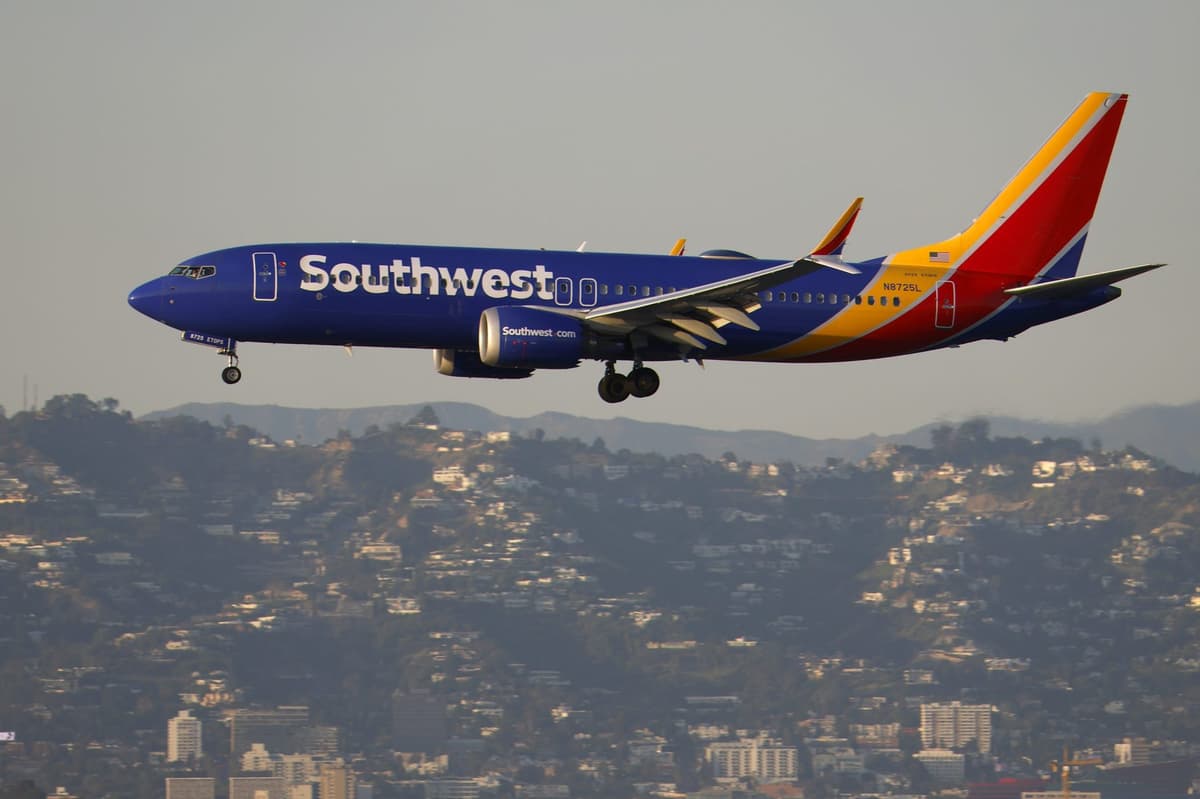
Southwest Air Drops as US Airlines Contend with Soaring Fuel
Companies Mentioned

Why It Matters
The news highlights how rising fuel costs are compressing airline margins and forcing carriers to balance fare hikes with demand, a dynamic that could reshape earnings outlooks across the U.S. aviation sector.
Key Takeaways
- •Southwest Q4 profit missed estimates; revenue $7.25B vs $7.29B forecast.
- •Shares dropped 3.8% to $39.35 after guidance hold.
- •Q2 EPS outlook 35‑65¢, below analysts’ 59¢ expectation.
- •Fuel price surge from US‑Iran conflict pressures airline margins.
- •Transformation adds premium seats, lounges, baggage fees to boost revenue.
Pulse Analysis
The U.S. airline sector is confronting an unprecedented surge in jet fuel prices, a direct fallout of the escalating conflict between the United States and Iran. Crude benchmarks have climbed more than 30% since the war began, pushing the average cost of a gallon of aviation fuel above $5. This spike erodes operating margins across the board, forcing carriers to reassess pricing strategies and cost‑containment measures. While some airlines have absorbed the shock through hedging, most are seeing earnings pressure and are forced to revisit forward‑looking guidance.
Southwest Airlines reported fourth‑quarter adjusted earnings of 45 cents per share, just shy of the 46‑cent consensus, and operating revenue of $7.25 billion, marginally below analysts’ $7.29 billion estimate. The Dallas‑based carrier declined to refresh its full‑year profit target, citing the need for lower fuel costs and stronger top‑line performance. Management also projected second‑quarter EPS of 35‑65 cents, a range that trails the 59‑cent median forecast. To offset the cost squeeze, Southwest is accelerating a multi‑year transformation that adds premium cabins, airport lounges and baggage fees, aiming to lift revenue per passenger without alienating its price‑sensitive base.
The broader market reaction underscores the fragility of airline valuations in a high‑fuel environment. Delta, United and Alaska have already trimmed or withdrawn guidance, and investors are watching closely for any sign that carriers can pass fuel costs onto travelers without triggering demand erosion. Analysts expect modest fare hikes, but competitive pressure may limit the extent of price increases. For Southwest, the success of its premium‑seating rollout and ancillary‑fee strategy will be a key determinant of whether it can sustain profitability as fuel volatility persists.
Southwest Air drops as US airlines contend with soaring fuel
Comments
Want to join the conversation?
Loading comments...