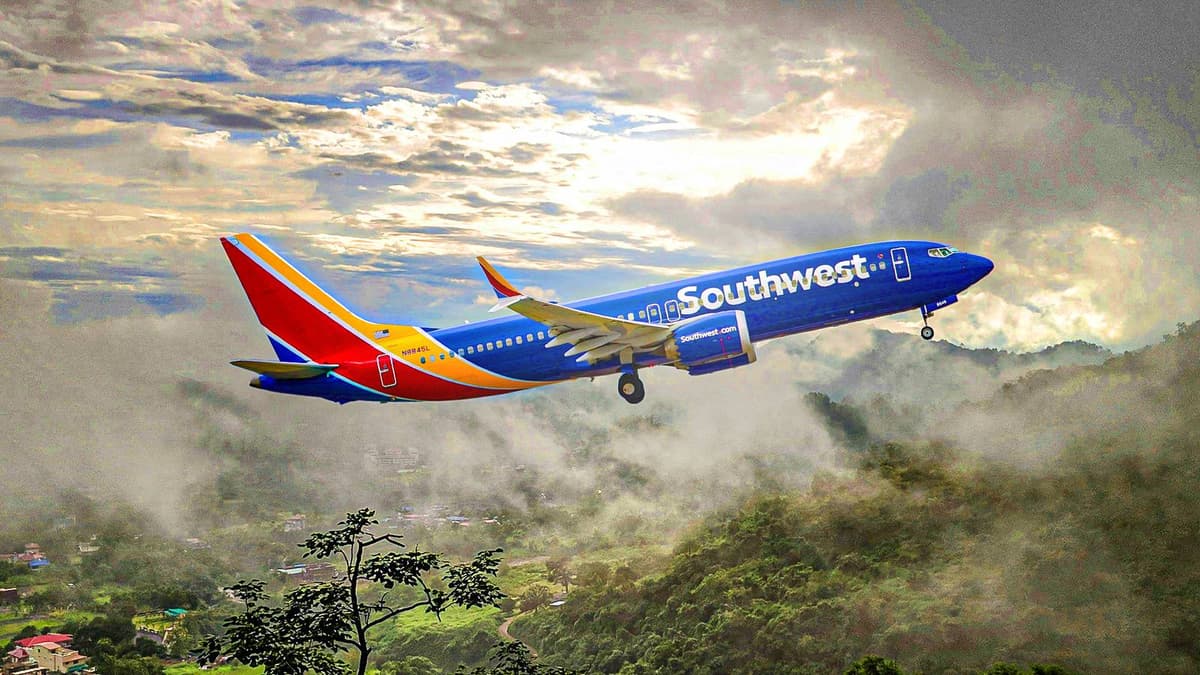
Southwest Airlines Bans Robots On Its Planes Just 2 Days After One Actually Flew For The 1st Time
Companies Mentioned
Why It Matters
The ban highlights growing safety scrutiny over lithium‑ion powered devices on aircraft, prompting airlines to tighten cabin policies as consumer robotics become more mainstream. It signals that future travel regulations may increasingly address emerging tech beyond traditional electronics.
Key Takeaways
- •Southwest bans all humanoid and animal-like robots from cabin and baggage
- •Policy triggered by safety alert over lithium‑ion battery fire risk
- •Passenger Aaron Mehdizadeh flew 3.5‑ft robot Stewie on a paid seat
- •Prior incident with robot Behop caused a one‑hour flight delay
Pulse Analysis
The novelty of bringing a humanoid robot onto a commercial flight captured headlines, but Southwest’s swift policy change underscores a deeper regulatory challenge. As personal robotics move from labs to living rooms, travelers are experimenting with devices that were once confined to research facilities. Stewie, a 3.5‑foot robot rented through The Robot Studio, was able to clear TSA security and occupy a purchased seat, prompting both fascination and logistical questions about cabin space, passenger comfort, and liability.
Southwest’s decision is rooted in the airline’s lithium‑ion battery safety standards, which prohibit such batteries in checked baggage due to fire‑risk concerns. The airline referenced a prior incident where a robot named Behop caused a one‑hour delay because its battery size threatened to breach safety limits. By extending the ban to all human‑like and animal‑like robots, Southwest aims to eliminate ambiguity around battery handling, ensuring crew can quickly access any device that might overheat. This move aligns with industry‑wide efforts to standardize hazardous material policies, especially as airlines grapple with an influx of high‑capacity power packs in consumer electronics.
The broader implication for the robotics sector is clear: manufacturers and service providers must anticipate travel restrictions when designing portable units. Companies may need to adopt certified battery packs, provide clear documentation, or develop airline‑approved transport solutions. For travelers, the ban serves as a reminder that emerging tech still faces traditional safety frameworks. As airlines refine their policies, we can expect a gradual convergence of robotics design and aviation safety standards, shaping how autonomous devices will be integrated into everyday mobility.
Southwest Airlines Bans Robots On Its Planes Just 2 Days After One Actually Flew For The 1st Time
Comments
Want to join the conversation?
Loading comments...