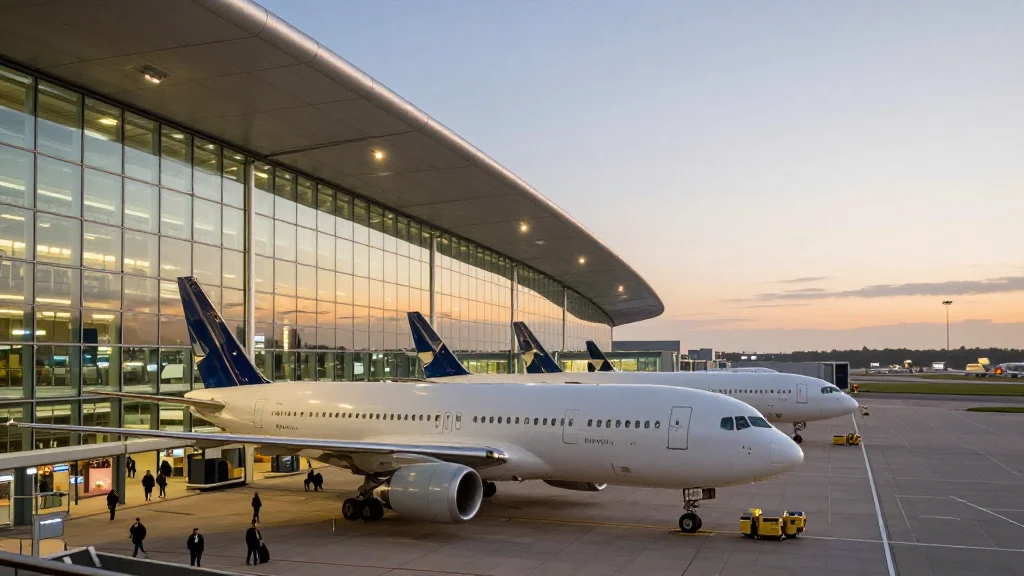
Spike in Transfer Traffic at Heathrow Due to Conflict in Middle East
Companies Mentioned
Why It Matters
The surge underscores Heathrow’s role as a contingency hub, but capacity limits could push airlines toward competing European airports, reshaping traffic flows and revenue potential.
Key Takeaways
- •Heathrow transfer passengers rose 10% in March amid Middle East airspace closures
- •Total March traffic reached 6.6 million, up 6.9% YoY
- •Runway slot constraints keep Heathrow growth slower than EU rivals
- •Airport operations remain stable despite supply‑chain and fuel disruptions
- •Outlook uncertain as conflict persists, affecting long‑haul demand
Pulse Analysis
The war in the Middle East has forced airlines to avoid large swaths of airspace, prompting a noticeable reroute of long‑haul traffic through Western Europe. Heathrow, with its extensive connectivity, absorbed a sizable share of this displaced demand, registering a 10% rise in transfer passengers and a 6.9% overall increase to 6.6 million travelers in March. This temporary boost reflects the airport’s strategic position as a backup gateway when traditional routes become unavailable, offering airlines a reliable alternative for connecting passengers.
Despite the short‑term gains, Heathrow’s growth is hamstrung by a fully booked slot inventory. Unlike Frankfurt or Paris‑Charles de Gaulle, which can flexibly allocate additional slots, Heathrow’s runway capacity is at its limit, curbing its ability to capture sustained market share. The constraint pressures airlines to negotiate higher slot fees or consider shifting services to less congested hubs, potentially eroding Heathrow’s long‑term revenue base and influencing broader European traffic dynamics.
Looking ahead, the persistence of the Middle East conflict injects uncertainty into travel forecasts. While Heathrow’s operations have remained resilient—fuel supply and broader logistics disruptions have not yet impacted runway activity—the airport must prepare for fluctuating demand patterns. Strategic investments in slot management, passenger processing technology, and contingency planning will be crucial to maintain its competitive edge and support the UK’s aviation‑linked economic contributions in a volatile geopolitical environment.
Spike in transfer traffic at Heathrow due to conflict in Middle East
Comments
Want to join the conversation?
Loading comments...