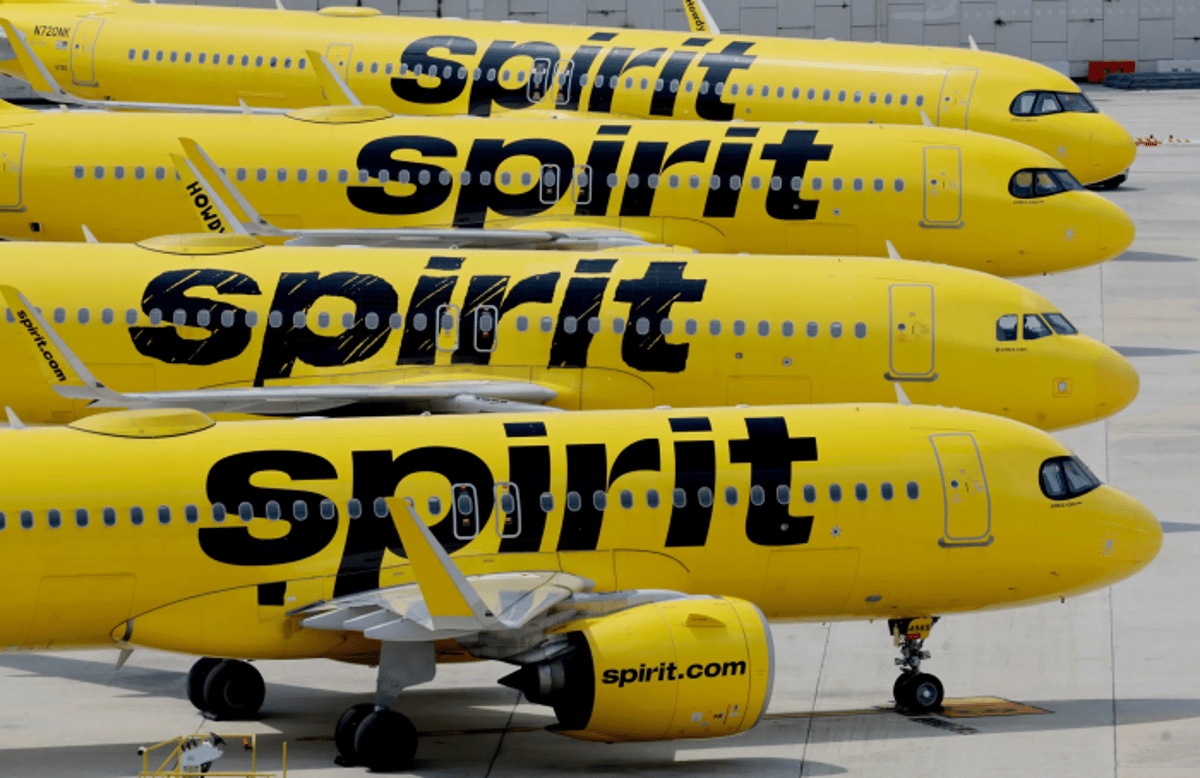
Spirit Airlines’ Exit Removes 21.3 Million Seats From the U.S. Air Connectivity Network
Companies Mentioned
Why It Matters
The removal of a major low‑cost carrier reduces market competition and squeezes price‑sensitive travelers, potentially raising fares on dozens of popular routes.
Key Takeaways
- •21.3 million seats removed, 4.5% low‑cost capacity lost
- •91.3% of lost seats were domestic routes
- •81.2% of seats concentrated at 15 major U.S. airports
- •Fare pressure expected to rise on affected low‑cost routes
Pulse Analysis
Spirit Airlines’ abrupt shutdown removes a sizable chunk of capacity from the U.S. air travel ecosystem, underscoring how fragile the low‑cost segment can be when fuel prices and operating costs surge. The airline, which ranked ninth in seat capacity for 2026, had scheduled more than 19 million domestic seats between May and December, accounting for roughly 1.4% of total U.S. connectivity. Its exit comes at a time when airlines are already balancing tighter margins, and the loss of 21.3 million seats—equivalent to 4.5% of the domestic low‑cost market—creates a noticeable gap in affordable travel options.
The impact is geographically concentrated: 81.2% of the removed seats were tied to just 15 airports, including major hubs such as Fort Lauderdale, Orlando, Newark, and Atlanta. These airports serve high‑traffic leisure and business corridors, meaning the seat vacuum will likely translate into reduced flight frequencies and higher yields for remaining carriers. Early market signals suggest fare hikes on routes previously dominated by Spirit’s ultra‑low‑cost model, especially to Caribbean and Mexican destinations where the airline held a sizable share.
Other carriers may scramble to capture displaced demand, but the speed and scale of Spirit’s exit limit immediate substitution. Legacy airlines could deploy additional aircraft, yet their cost structures differ, potentially eroding the price advantage that budget travelers rely on. Regulators may monitor the situation for antitrust concerns if fare spikes become pronounced. In the medium term, the market could see new entrants targeting the void, but until then, price‑sensitive passengers are likely to face higher costs and fewer flight options during the critical summer travel window.
Spirit Airlines’ Exit Removes 21.3 Million Seats from the U.S. Air Connectivity Network
Comments
Want to join the conversation?
Loading comments...