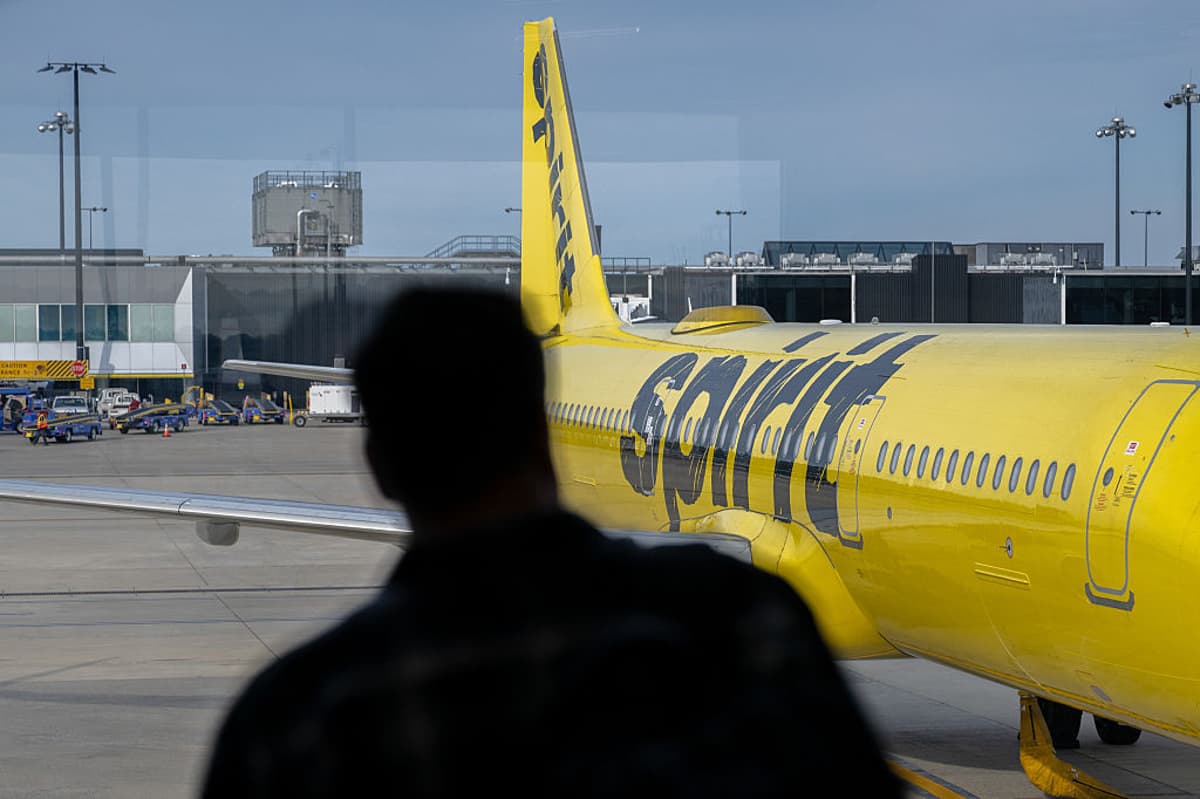
Spirit Airlines Shuts Down Due to Iran War Fuel Crisis. Other Low-Cost Airlines Could Be Next
Companies Mentioned
Why It Matters
The collapse highlights how geopolitical energy shocks can instantly cripple low‑margin carriers, reshaping competition and pricing across the broader airline industry.
Key Takeaways
- •Spirit Airlines ceased operations after fuel costs surged 70% since Iran war
- •$360 million extra fuel expense projected for Spirit by year‑end
- •Trump floated $500 million bailout; Congress balked over government ownership
- •Jet fuel price spike threatens other low‑cost carriers globally
- •Higher fares and route cuts ripple across travel industry
Pulse Analysis
The Iran‑Israel conflict in early 2026 choked the Strait of Hormuz, cutting off about 20 % of global oil flow. U.S. jet fuel prices surged nearly 70 % within weeks, according to the Argus index, eroding the thin margins of ultra‑low‑cost carriers. Spirit Airlines, whose passenger count fell from a 2023 peak of 44 million to 30 million in 2025, could not absorb an estimated $360 million fuel bill projected for the rest of the year. Its final statement cited “hundreds of millions of additional dollars of liquidity” it could not secure, ending the carrier after two recent bankruptcies.
The shutdown sparked a rare convergence of political and regulatory drama. Former President Donald Trump publicly floated a $500 million federal rescue that would have handed the Treasury up to 90 % ownership of the carrier, prompting bipartisan criticism over the use of taxpayer money for a struggling budget airline. Meanwhile, the Biden administration’s Justice Department blocked a 2023 merger with JetBlue, a move that Transportation Secretary Sean Duffy argues left Spirit without a viable exit strategy. The episode underscores how policy decisions can amplify market shocks for financially fragile firms.
Spirit’s demise sends a warning signal to other discount airlines worldwide. Ryanair, AirAsia, Vietnam Airlines and regional carriers in Europe and Asia have already signaled route reductions as fuel costs squeeze profitability. Consumers face steeper ticket prices—Kayak reports a 37 % rise in average international fares since the conflict began—and fewer low‑fare options. To survive, carriers may accelerate ancillary revenue programs, renegotiate fuel hedges, or pursue strategic alliances, while larger legacy airlines are poised to capture price‑sensitive travelers displaced by the crisis.
Spirit Airlines Shuts Down Due to Iran War Fuel Crisis. Other Low-Cost Airlines Could Be Next
Comments
Want to join the conversation?
Loading comments...