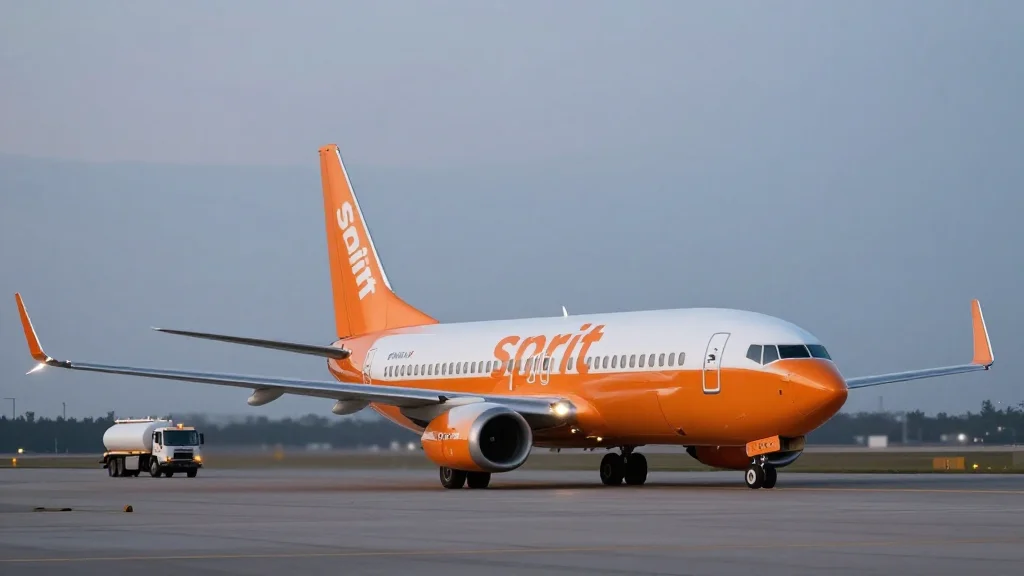
Spirit Airlines Shuts Down: How to Protect Yourself if Your Airline Goes Under
Why It Matters
Millions of travelers are left stranded, underscoring the financial risk of airline insolvency and the importance of insurance‑backed travel purchases in a volatile market.
Key Takeaways
- •Spirit halted flights May 2, 2026 after failed $500 M rescue
- •Refunds processed automatically; agents must handle their own claims
- •No compensation for extra costs like hotels or alternate flights
- •Credit‑card travel insurance can cover cancellations and delays
- •Dispute charges under Fair Credit Billing Act within 60 days
Pulse Analysis
Spirit Airlines’ abrupt collapse on May 2, 2026 sent shockwaves through the U.S. travel sector. After two prior Chapter 11 filings and a court‑blocked $3.8 billion merger with JetBlue, the low‑cost carrier’s cash burn accelerated by soaring global fuel prices. A last‑minute $500 million loan proposal from the Trump administration fell through, leaving the airline with no viable path to liquidity. The result: an immediate cessation of all flights, automatic refunds, and a stark reminder that even legacy budget airlines can vanish overnight.
For consumers, the fallout is immediate and costly. Refunds will be processed by Spirit, but passengers who booked through travel agents must chase their own reimbursements, and the airline has explicitly refused to cover ancillary expenses such as hotel stays or alternative transportation. This mirrors past airline failures like Wow Air, where stranded travelers faced similar gaps. The episode amplifies the broader industry risk posed by volatile fuel markets and geopolitical tensions, prompting both travelers and corporate travel managers to reassess reliance on single‑carrier bookings.
Protecting travel spend has never been more critical. Credit cards that bundle travel‑insurance benefits can automatically reimburse cancellation fees, delay costs, and even lost baggage, provided the purchase is made with the insured card. Where card coverage is limited, standalone travel policies often include insolvency clauses. Additionally, the Fair Credit Billing Act empowers consumers to dispute charges within 60 days of the statement date, a tool that works best with credit rather than debit cards. As airlines grapple with rising operational costs, savvy travelers will increasingly lean on these financial safeguards to mitigate disruption risk.
Spirit Airlines shuts down: How to protect yourself if your airline goes under
Comments
Want to join the conversation?
Loading comments...