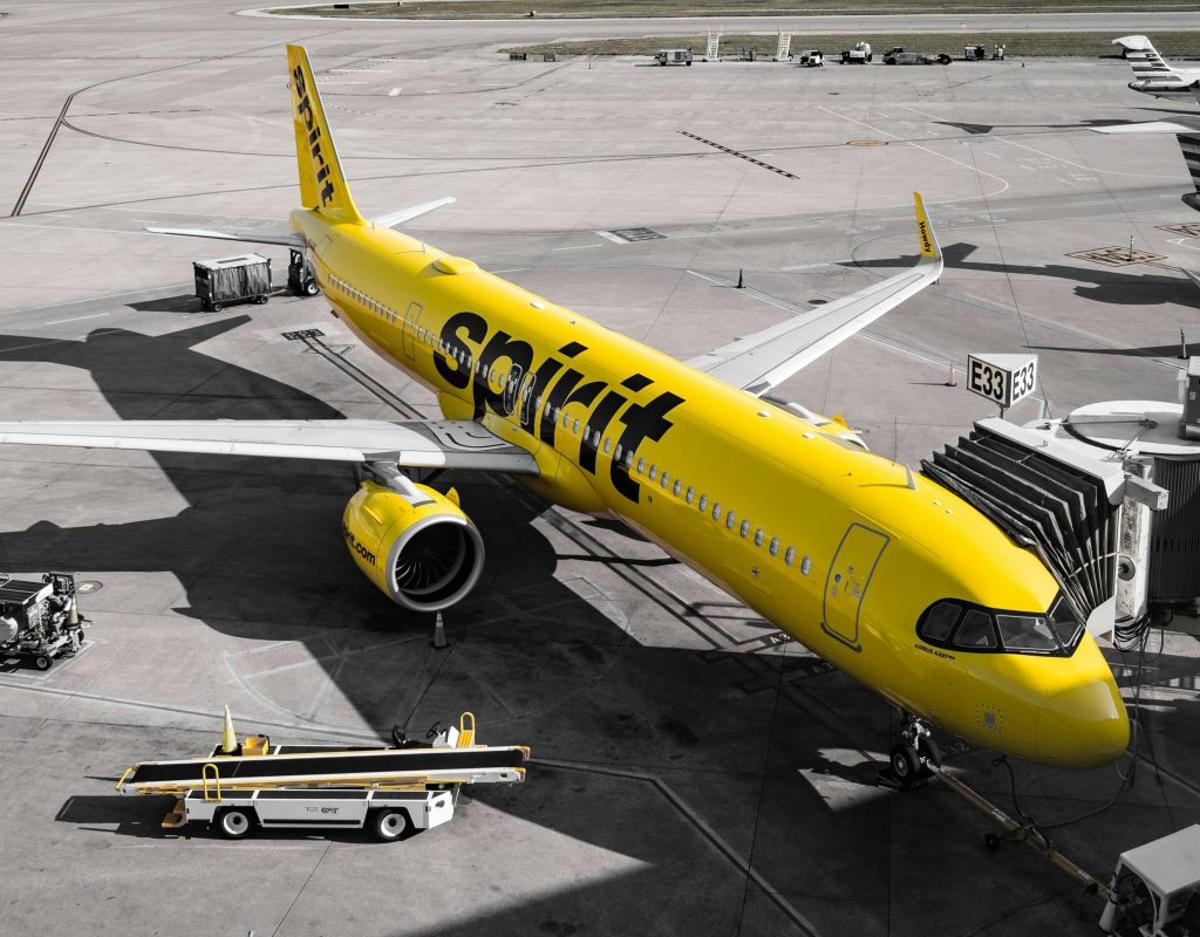
Spirit’s Shutdown Exposes America’s Fragile Affordable Travel System
Key Takeaways
- •Spirit's collapse left millions without low-cost air options.
- •Intercity buses fill gaps but lack seamless connections.
- •Integrated multimodal hubs can protect travel affordability.
- •Rising transportation costs pressure households' budgets.
- •Policy must fund affordable ground transport infrastructure.
Pulse Analysis
The demise of Spirit Airlines serves as a stark reminder that affordable air travel is a lifeline for millions of Americans, not a luxury. Students commuting to campus, hourly workers traveling for shifts, and families visiting relatives all rely on low‑fare flights to stay connected. When a carrier built around price points disappears, the immediate fallout is higher ticket prices and reduced route options, pushing many travelers into a binary choice: pay more or stay put. This disruption reverberates through labor markets, education enrollment, and even regional tourism, underscoring how tightly mobility ties to economic participation.
A sustainable solution lies in weaving together the nation’s disparate transport modes into a cohesive mobility network. Intercity buses already serve routes abandoned by airlines, linking small towns to major hubs at prices that remain accessible as airfares climb. Yet, without coordinated schedules, shared ticketing platforms, and physical multimodal hubs, these ground options remain underutilized. Seamless transfers between buses, trains, and airports can expand choice, lower overall travel costs, and reduce the friction that currently deters many from making the journey. Investing in modern, well‑located stations and integrated digital tools can turn fragmented services into a reliable safety net for budget‑conscious travelers.
Policymakers and industry leaders must treat affordable ground transport as essential infrastructure, allocating federal and state funds to modernize bus terminals, expand regional rail, and incentivize private operators to serve underserved corridors. Such investment not only cushions households against volatile fuel and fare hikes but also aligns with climate goals by shifting passengers from carbon‑intensive flights to lower‑emission modes. A coordinated, intermodal approach promises a more resilient, inclusive transportation ecosystem that safeguards opportunity for all Americans, regardless of income or geography.
Spirit’s Shutdown Exposes America’s Fragile Affordable Travel System
Comments
Want to join the conversation?