State Capture Still Stinging SOEs
Why It Matters
The financial strain and governance failures threaten the viability of critical transport infrastructure, risking economic growth and investor confidence in South Africa’s logistics sector.
Key Takeaways
- •Transnet debt hits $7.8 bn, raising going‑concern doubts
- •PRASA deficit jumps to $449 m, impairments total $210 m
- •Security incidents fell 23%, saving $86 m in revenue losses
- •Private‑sector concessions aim to modernise ports and boost efficiency
- •Auditor‑general flags ongoing irregular, wasteful spending across both SOEs
Pulse Analysis
The lingering impact of South Africa’s state‑capture scandal continues to cripple its flagship state‑owned enterprises, Transcending balance‑sheet woes to affect national logistics. Transnet’s debt has ballooned to roughly $7.8 billion, while a maintenance backlog of about $1.4 billion hampers rail reliability. Simultaneously, PRASA’s operating deficit surged from $124 million to $449 million, with rolling‑stock impairments of $140 million highlighting chronic underinvestment. These financial pressures are compounded by audit findings that irregular, fruitless, and wasteful expenditures remain endemic, eroding public trust and prompting scathing parliamentary questioning.
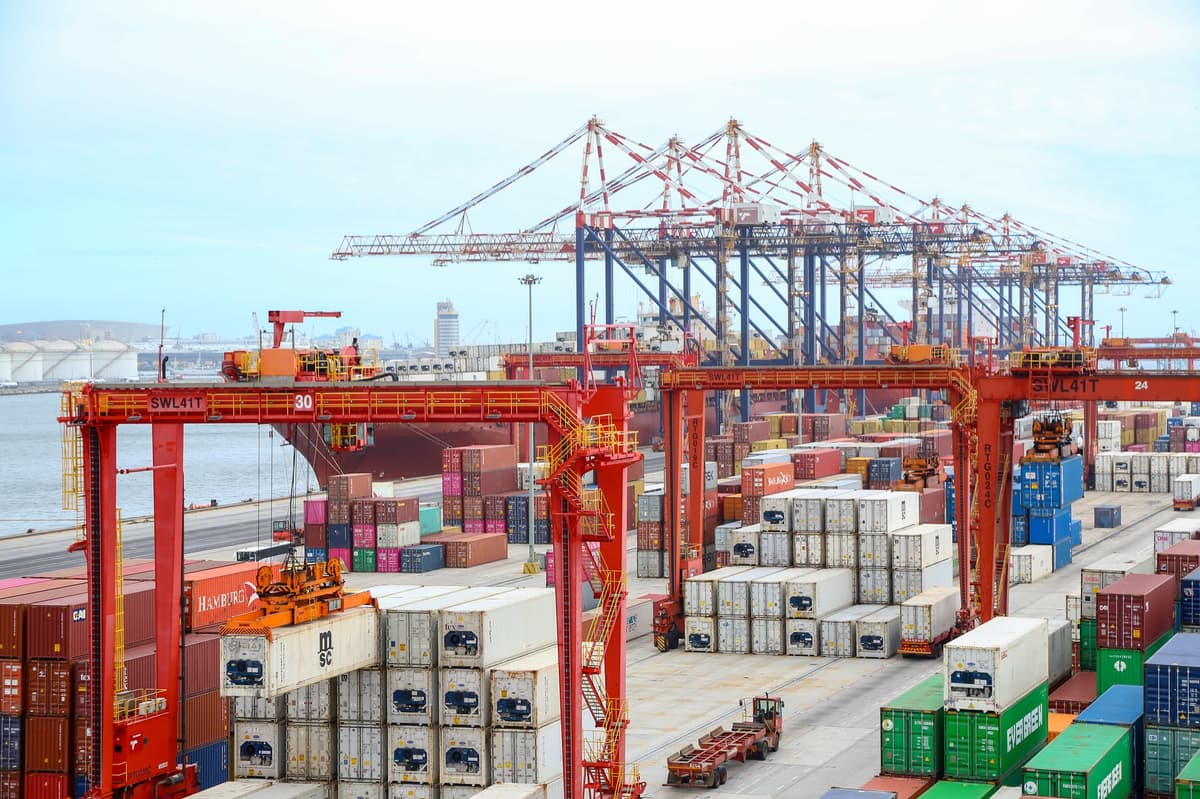
In response, Transnet’s leadership is pivoting toward strategic private‑sector collaborations to revive performance. A memorandum with Vopak South Africa will create the nation’s first LNG import hub, bolstering energy security and downstream industrial growth. Meanwhile, long‑term concessions with ICTSI for Durban’s Pier 2 and FFS Tank Terminals for Cape Town aim to inject capital, technology, and operational expertise into underperforming ports. These moves seek to align South Africa’s maritime infrastructure with global standards, mitigate the risk of cargo diversion to neighboring ports, and generate revenue streams that can offset mounting debt.
The broader implications extend beyond balance‑sheet metrics. Persistent governance gaps and the spectre of state‑capture tainting over $3 billion in public funds undermine confidence among investors, lenders, and trade partners. While security improvements have trimmed theft‑related losses by 23%, the sector still faces systemic challenges, including infrastructure vandalism and regulatory ambiguities around private concessions. Effective reform will require not only capital infusion but also robust oversight mechanisms to ensure transparency, protect national interests, and sustain the critical transport arteries that underpin South Africa’s economic competitiveness.
State capture still stinging SOEs
Comments
Want to join the conversation?
Loading comments...