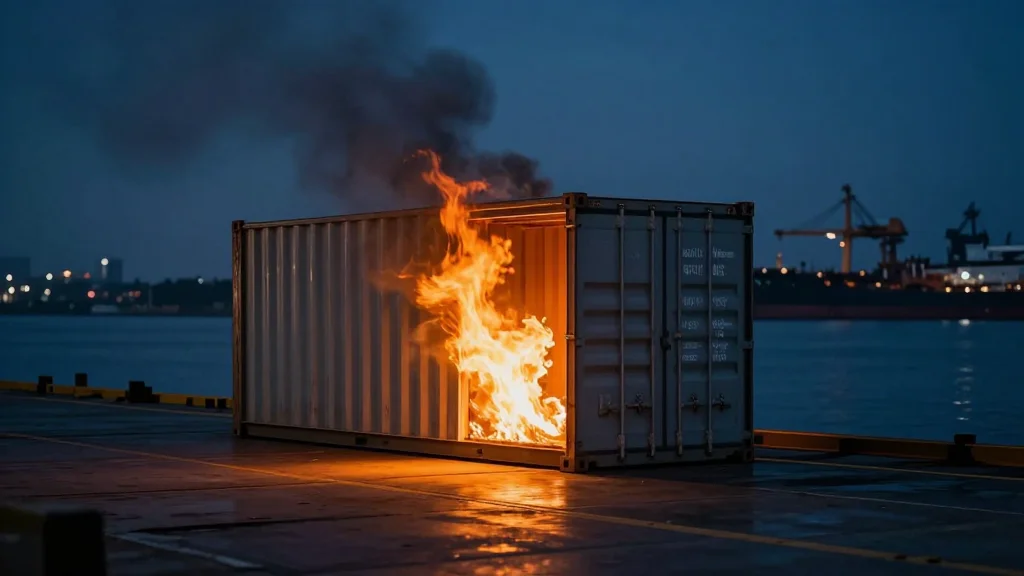
Staten Island Shipyard Blast Injures 16, Kills One Civilian as FDNY Battles Confined‑Space Fire

Why It Matters
The Staten Island shipyard explosion underscores the vulnerability of dense, industrial waterfront zones that are integral to New York’s logistics and construction sectors. A failure in safety procedures can quickly cascade into a multi‑agency emergency, straining city resources and exposing gaps in training, equipment, and regulatory oversight. As the city pursues ambitious waterfront development projects, the incident may prompt stricter enforcement of confined‑space entry rules, fire‑prevention standards, and emergency‑response coordination across municipal, state, and private stakeholders. Beyond immediate human costs, the blast could affect insurance premiums, labor contracts, and the timeline of ongoing shipyard projects. A comprehensive safety audit, if mandated, could lead to costly retrofits for similar facilities, influencing the economics of maritime repair and construction in the region. Moreover, the event may shape public perception of industrial safety, influencing community support for future waterfront initiatives.
Key Takeaways
- •Fire broke out at 3075 Richmond Terrace around 3:30 p.m. Friday, followed by an explosion about an hour later
- •At least 16 people injured, including 13 FDNY firefighters; one civilian killed
- •More than 200 first‑responders, including FDNY, NYPD, Port Authority, and Hazmat teams, were deployed
- •FDNY Chief John Esposito warned of the dangers of confined‑space rescues
- •City officials plan a full safety and structural audit of the shipyard after the incident
Pulse Analysis
The Staten Island blast is a textbook case of how a single safety lapse can cascade into a citywide emergency. Confined‑space fires are notoriously difficult to control because heat, smoke, and limited egress combine to create a lethal environment for both victims and rescuers. The FDNY’s rapid escalation to a three‑alarm response and the involvement of over 200 personnel reflect the department’s preparedness, yet the injuries to 13 firefighters reveal that even the best‑trained crews are vulnerable when protocols are breached.
Historically, New York’s waterfront has been a hub for shipbuilding, repair, and logistics, sectors that have seen renewed investment as the city seeks to diversify its transportation infrastructure. However, many of these facilities operate in aging structures with outdated fire suppression systems. The incident may accelerate a regulatory push for modernizing fire detection, sprinkler coverage, and confined‑space entry training. If the city imposes stricter compliance requirements, shipyards could face higher capital expenditures, potentially shifting some work to offshore locations with more modern facilities.
From a market perspective, insurers are likely to reassess risk models for waterfront industrial sites. The reported casualty figures—over 30 injured according to CBS, though later refined to 16—suggest a high potential for costly claims. Premiums for property and liability coverage could rise, squeezing margins for shipyard operators already contending with thin profit pools. Conversely, firms that specialize in safety consulting, fire suppression technology, and emergency‑response equipment may see a surge in demand as owners scramble to meet any new standards.
Looking ahead, the investigation’s findings will be pivotal. If welding or fuel storage practices are identified as root causes, the city may mandate stricter permits and real‑time monitoring, setting a precedent for other port cities. The incident also serves as a reminder that urban resilience depends not just on large‑scale infrastructure but on the day‑to‑day safety culture of the workers who keep that infrastructure running.
Staten Island Shipyard Blast Injures 16, Kills One Civilian as FDNY Battles Confined‑Space Fire
Comments
Want to join the conversation?
Loading comments...