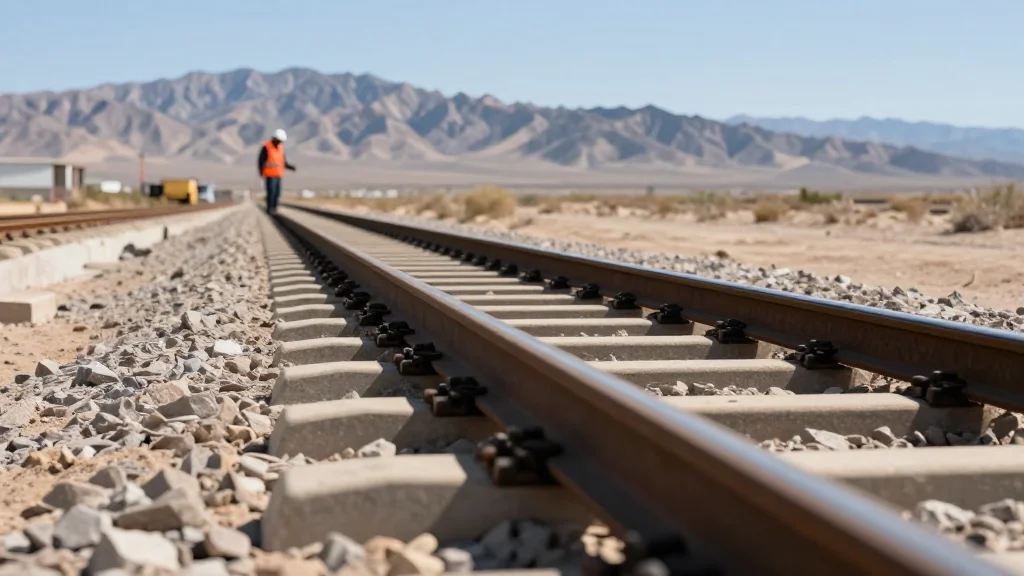
STB Institutes Nevada Rail Line Proceeding
Companies Mentioned
Why It Matters
Shifting ore transport to rail reduces highway congestion, lowers emissions, and could set a precedent for streamlined rail permitting in the mining sector, influencing future infrastructure projects nationwide.
Key Takeaways
- •STB initiates proceeding for 55.7‑mile NG Rail line in Nevada
- •Project aims to shift gold ore transport from trucks to rail
- •Streamlined NEPA process waives several EIS publication requirements
- •Line could reduce road congestion, emissions, and support other commodities
- •Public involvement starts with Notice of Intent and comment period
Pulse Analysis
Nevada Gold Mines’ plan for a dedicated rail corridor reflects a broader industry push to replace diesel‑heavy truck fleets with more efficient rail solutions. By connecting the Cortez mine to processing facilities at Goldstrike, the 55.7‑mile line would enable continuous, high‑capacity shipments of gold ore while cutting fuel consumption and wear on remote roadways. For a region where mining accounts for a sizable share of freight traffic, the shift promises measurable reductions in greenhouse‑gas emissions and improves worker safety by limiting heavy‑truck exposure on narrow mountain passes.
The STB’s decision to waive certain NEPA requirements signals a strategic move toward faster, more predictable rail permitting. Recent legislative and executive actions have reshaped the environmental review landscape, and the board’s streamlined EIS approach aligns with its own reform agenda outlined in EP 779. By forgoing a traditional Final Scope of Study and draft EIS, the agency aims to accelerate project timelines while still ensuring substantive public participation through an expanded Notice of Intent and early comment periods. This regulatory flexibility may encourage other resource‑intensive developers to pursue rail alternatives, knowing that the approval pathway is becoming less cumbersome.
Beyond gold, the proposed corridor could serve as a multi‑commodity conduit, handling diesel, lime, mill balls and potentially other mineral concentrates. Such versatility enhances the line’s economic case, offering Union Pacific a new revenue stream and providing Nevada’s mining sector with a reliable logistics backbone. If approved, the project could become a template for similar rail‑first strategies in other extractive regions, reinforcing the trend toward greener, cost‑effective freight solutions in the United States.
STB Institutes Nevada Rail Line Proceeding
Comments
Want to join the conversation?
Loading comments...