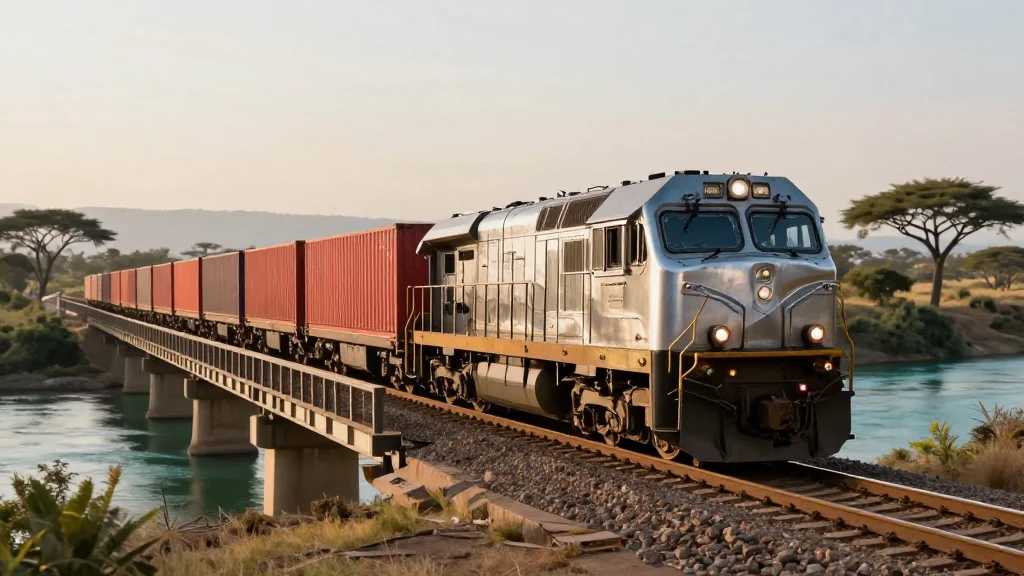
Steel Alone Won’t Deliver Northern Corridor Promise
Why It Matters
The story illustrates that infrastructure alone cannot unlock regional trade; coordinated policies and political stability are essential for East Africa’s economic integration.
Key Takeaways
- •SGR extension finally flagged off after nine-year delay
- •Funding shifts from Chinese loans to private investors
- •Political tensions have repeatedly stalled cross‑border rail projects
- •Customs and standards misalignment erodes rail efficiency
- •Regional stability crucial for completing continental rail network
Pulse Analysis
The Naivasha‑Kampala standard gauge railway marks a milestone for East Africa, promising faster, cheaper cargo movement between the interior and the port of Mombasa. After years of postponements, the line finally entered service, highlighting both the strategic importance of rail as a catalyst for trade and the costly consequences of delayed execution. The shift from opaque government‑to‑government loans, largely sourced from China, to private‑sector financing reflects a broader regional trend toward market‑driven project delivery, yet it also introduces new risk‑sharing dynamics that regulators must manage.
Beyond financing, the SGR’s success depends on political cohesion and regulatory alignment. Past frictions—most notably the near three‑year diplomatic rift between Uganda and Rwanda—demonstrated how quickly cross‑border trade can grind to a halt, regardless of physical connectivity. To translate track speed into economic speed, East African nations must harmonise customs procedures, adopt interoperable technical standards, and streamline border inspections. Without these policy bridges, trains may arrive on schedule only to sit idle, negating the rail’s intended competitive advantage.
Looking ahead, the East African Community’s integration blueprint must evolve from infrastructure coordination to a functional common market. Stable governance, especially in conflict‑prone states along the envisioned Mombasa‑Bangui corridor, is a prerequisite for attracting long‑term private investment and completing the continental network. As EAC chair, Uganda’s President Museveni faces a narrow window to champion reforms that bolster trade openness and regulatory predictability. Achieving that will ensure the steel and concrete of the SGR are matched by the policy steel that truly binds regional economies together.
Steel alone won’t deliver Northern Corridor promise
Comments
Want to join the conversation?
Loading comments...