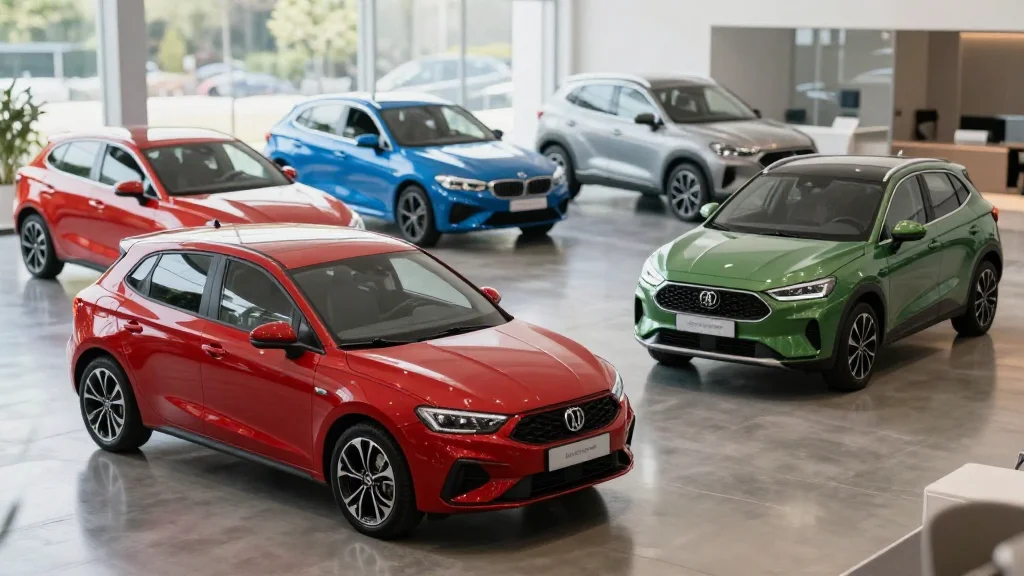
Stellantis: New EVs and Low Emission Models Central to €60bn Growth Plan
Companies Mentioned
Why It Matters
The plan positions Stellantis to capture a larger share of the accelerating EV market while complying with stricter EU climate rules, directly impacting its long‑term profitability and market relevance.
Key Takeaways
- •Stellantis allocates €60bn (~$65bn) to EV and low‑emission push
- •Over 60 new models and 50 refreshes slated through 2030
- •Goal to boost sales and meet EU emissions standards
- •Investment targets battery tech, software, and European manufacturing hubs
Pulse Analysis
The global push toward electrification has reshaped automakers’ roadmaps, and Stellantis is no exception. With Europe tightening CO₂ limits and consumers demanding cleaner mobility, the group—owner of brands like Citroën, Fiat, Peugeot and Vauxhall—faces pressure to replace its traditionally internal‑combustion‑heavy lineup. By earmarking roughly €60 billion (about $65 billion) for growth, Stellantis signals a decisive pivot toward zero‑emission vehicles, aligning its capital allocation with the trajectory of the broader automotive market, which is projected to see EVs account for more than half of new sales by 2030.
The rollout plan is ambitious: more than 60 brand‑new models and 50 significant refreshes are slated for launch before the decade ends. These introductions will span fully electric, plug‑in hybrid and highly efficient mild‑hybrid platforms, leveraging shared architecture to keep development costs in check. A sizable portion of the budget is earmarked for battery cell partnerships, in‑house software ecosystems, and the expansion of European manufacturing hubs in France, Italy and Poland. By consolidating R&D and scaling production, Stellantis hopes to achieve economies of scale that rival pure‑play EV makers.
Investors are watching the plan as a litmus test for Stellantis’ ability to stay relevant amid fierce competition from Tesla, Volkswagen and emerging Chinese entrants. Successful execution could lift the group’s revenue trajectory, improve margin visibility, and reduce regulatory penalties tied to fleet‑average emissions. Conversely, delays in model rollout or supply‑chain bottlenecks could erode confidence. Nonetheless, the €60 billion commitment underscores a strategic bet that electrification will be the primary engine of growth, positioning Stellantis to capture a meaningful slice of the $1 trillion‑plus global EV market in the coming decade.
Stellantis: New EVs and low emission models central to €60bn growth plan
Comments
Want to join the conversation?
Loading comments...