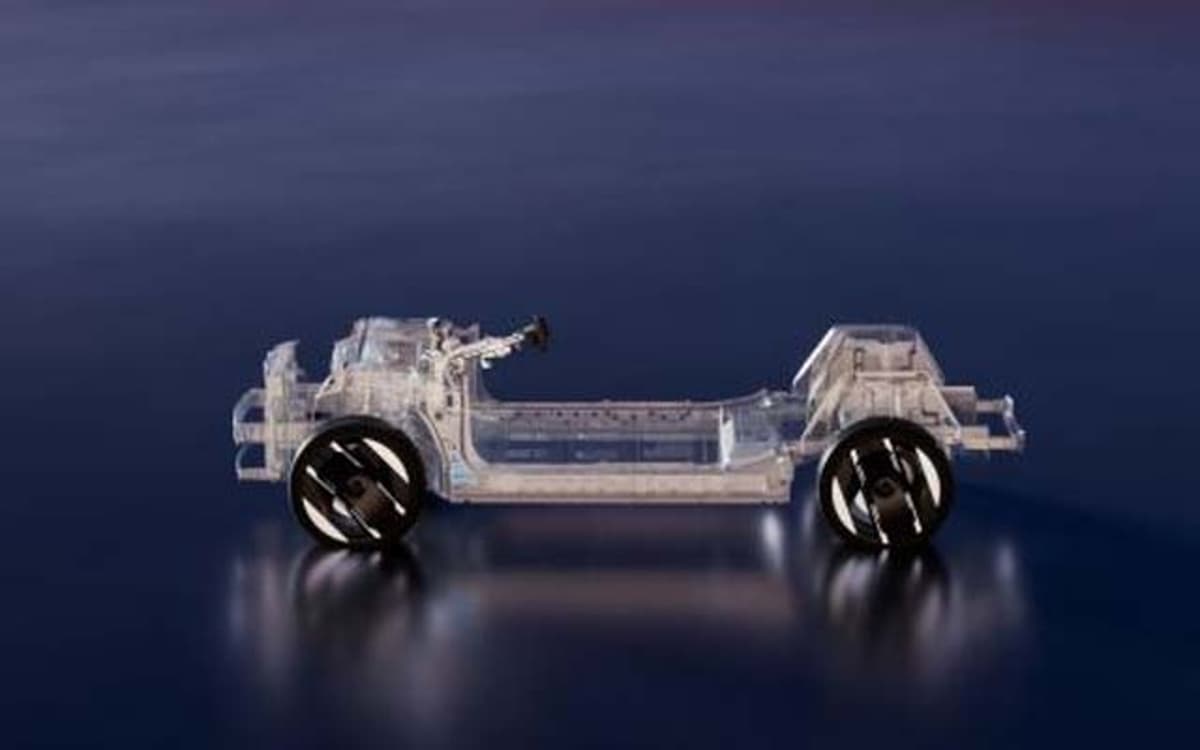
Stellantis Unveils STLA One Modular Architecture for Next-Generation EVs and Hybrids
Companies Mentioned
Why It Matters
By consolidating development onto a flexible, cost‑efficient platform, Stellantis can speed up EV rollouts, improve margins and better compete with European and Asian rivals. The move also helps narrow the price gap for consumers, supporting broader adoption of electrified vehicles.
Key Takeaways
- •STLA One supports B, C, D‑segment EVs, hybrids, and 800‑V charging
- •Stellantis aims for 50% production on three platforms by 2030
- •Platform targets 30+ models, 2 million units annually by 2035
- •Dedicated‑per‑energy design improves efficiency versus shared‑propulsion setups
- •Integrated LFP batteries and cell‑to‑body reduce cost and weight
Pulse Analysis
Modular vehicle platforms have become a cornerstone of the auto industry’s electrification strategy, allowing manufacturers to spread development costs across multiple models while maintaining brand differentiation. Stellantis’s STLA One joins the ranks of Volkswagen’s MEB, GM’s Ultium and Hyundai‑Kia’s E‑GMP, but distinguishes itself with a truly multi‑energy architecture that can host pure‑electric, hybrid and emerging propulsion systems on the same chassis. This flexibility reduces the need for separate engineering pipelines, shortens time‑to‑market and creates economies of scale that are essential as global EV sales accelerate.
The technical underpinnings of STLA One are geared toward performance and affordability. An 800‑volt electrical architecture enables ultra‑fast charging—potentially adding 300 miles in under 20 minutes—while the integration of the STLA Brain software suite, steer‑by‑wire, and a SmartCockpit creates a software‑defined vehicle that can receive over‑the‑air updates and support new digital services. By prioritizing lithium‑iron‑phosphate (LFP) batteries and employing cell‑to‑body construction, Stellantis cuts raw‑material costs, improves energy density, and reduces vehicle weight, all of which bolster range and profitability.
From a business perspective, STLA One is a linchpin in Stellantis’s ambition to streamline its global portfolio. Targeting more than 30 models and up to 2 million units per year by 2035, the platform promises up to 70% component reuse, strengthening supplier relationships and lowering per‑unit production costs. Achieving 50% of total output on three shared platforms by 2030 positions Stellantis to narrow the cost gap with premium EV makers, especially in the fiercely competitive European market, and accelerates its roadmap toward a fully electrified lineup across all its brands.
Stellantis Unveils STLA One Modular Architecture for Next-Generation EVs and Hybrids
Comments
Want to join the conversation?
Loading comments...