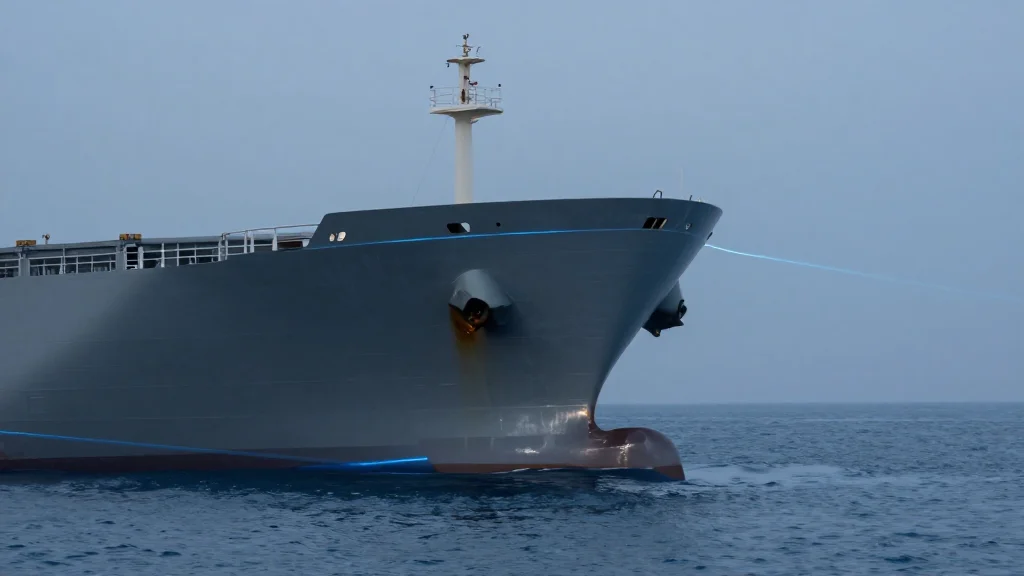
Still Too Risky to Move Seafarers Out of Gulf, U.N. Agency Boss Says
Why It Matters
The impasse threatens 20% of global oil and LNG supplies and prolongs crew hardship, underscoring the need for a diplomatic solution to restore vital maritime trade.
Key Takeaways
- •~20,000 seafarers trapped in Gulf amid US‑Iran cease‑fire
- •IMO chief warns corridor unsafe without formal cease‑fire agreement
- •Eleven crew members killed since Feb 28 conflict began
- •Strait of Hormuz carries 20% of global oil and LNG
- •Shipping firms demand clear rules before evacuating stranded vessels
Pulse Analysis
The Gulf stalemate highlights how geopolitical flashpoints can quickly cascade into global supply‑chain disruptions. Since the U.S.–Iran confrontation erupted in late February, the International Maritime Organization has been tasked with safeguarding both vessels and the crews aboard them. While the IMO has proposed a safe maritime corridor, the volatile status of the Strait of Hormuz—alternating between brief openings and abrupt closures—means any evacuation effort could expose ships to hostile actions or accidental collisions. This uncertainty forces ship owners to keep vessels idle, inflating operating costs and eroding profitability across the sector.
Economically, the Strait of Hormuz is a chokepoint that moves roughly one‑fifth of the world’s daily oil and liquefied natural gas shipments. Even a modest reduction in traffic can ripple through energy markets, tightening supply and nudging prices upward. The current bottleneck also pressures insurers and charterers, who must reassess risk premiums for routes that skirt the Gulf. Moreover, the stranded crews—many of whom have been aboard for months—face personal hardships, missing family milestones and enduring prolonged isolation, which can affect crew morale and future recruitment.
Looking ahead, a durable resolution hinges on a formal cease‑fire or comprehensive peace agreement that the IMO can anchor its corridor on. Until then, shipping companies are likely to lobby for clearer international protocols and guarantees of safe passage. Industry bodies such as the International Chamber of Shipping are already drafting contingency frameworks to streamline evacuations once diplomatic conditions improve. The longer the impasse persists, the greater the strain on global energy logistics and the more urgent the call for coordinated diplomatic and maritime governance solutions.
Still too risky to move seafarers out of Gulf, U.N. agency boss says
Comments
Want to join the conversation?
Loading comments...