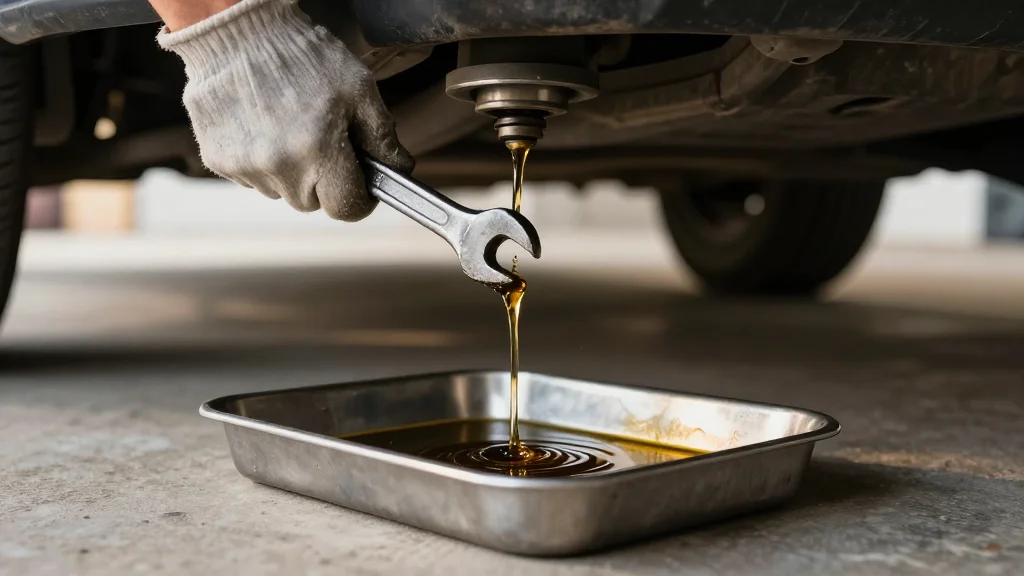
Stop Paying $125 for Oil Changes—Do It Yourself With These Simple Steps
Why It Matters
DIY oil changes give drivers direct cost control and extend vehicle longevity, while proper disposal prevents environmental harm.
Key Takeaways
- •DIY oil changes cost $25–$125 vs shop prices
- •Typical oil change takes 30–60 minutes for beginners
- •Use correct oil grade and amount per owner’s manual
- •Replace oil filter each change to avoid contamination
- •Dispose of used oil at recycling centers, never pour down drain
Pulse Analysis
Rising labor rates at auto shops have turned routine maintenance into a noticeable expense for many drivers. By handling oil changes at home, owners can save anywhere from $25 to $125 per service, translating into hundreds of dollars over a vehicle’s lifespan. The DIY approach also offers transparency: you choose the oil brand, filter quality, and can verify each step, eliminating hidden upsells that often accompany shop visits. As more consumers seek cost‑effective solutions, online tutorials and influencer guidance—like Gabriel Scheuher’s Instagram tips—fuel a growing do‑it‑yourself automotive culture.
Beyond the wallet, the technical side of oil changes is critical to engine health. Modern synthetic oils can extend intervals to 15,000 miles, but the correct viscosity and quantity must match the manufacturer’s specifications to ensure proper lubrication and heat dissipation. Replacing the oil filter each cycle prevents sludge buildup and protects internal components from metal particles. While the process takes 30‑60 minutes for beginners, the routine reinforces vehicle awareness, helping owners spot leaks or wear before costly repairs arise. Safety measures—such as using jack stands, wearing gloves, and avoiding overtightening—are simple yet essential to prevent injuries and damage.
Environmental responsibility rounds out the value proposition. Improper disposal of used oil can contaminate waterways, but most auto parts stores and municipal recycling centers accept used oil free of charge. Properly sealed containers and scheduled drop‑offs keep hazardous waste out of drains and reduce landfill impact. The growing market for affordable, user‑friendly tools—drain pans, torque‑spec wrenches, and portable lifts—makes the DIY oil change increasingly accessible. As consumers balance cost savings with ecological stewardship, home oil changes are likely to remain a practical, sustainable choice for everyday drivers.
Stop Paying $125 for Oil Changes—Do It Yourself With These Simple Steps
Comments
Want to join the conversation?
Loading comments...