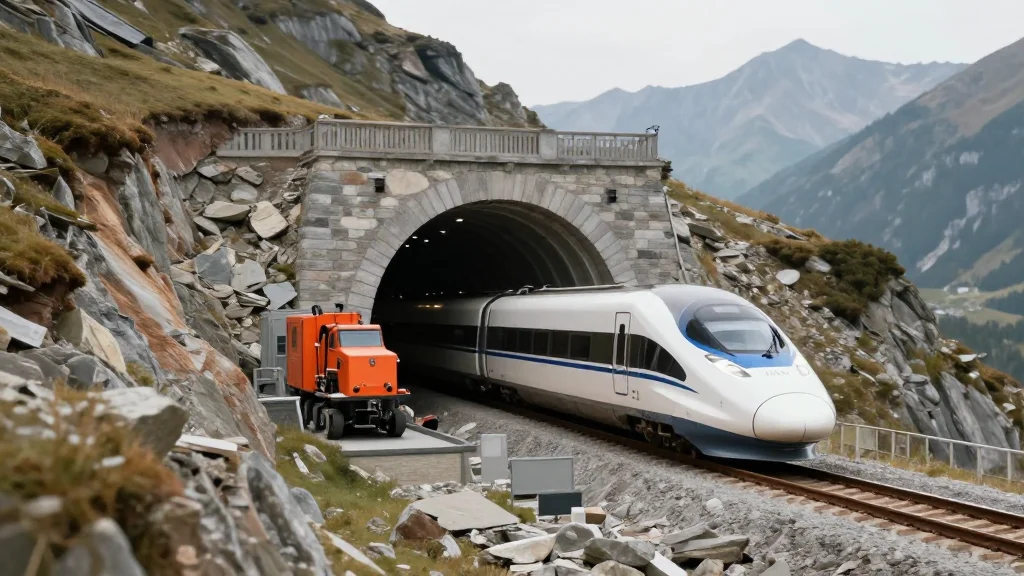
STRABAG and ZÜBLIN Win Contract for 11‑km Pfaffensteig Tunnel, Key German‑Swiss Rail Upgrade

Companies Mentioned
Why It Matters
The Pfaffensteig tunnel strengthens the Stuttgart‑Switzerland rail axis, a critical segment of the trans‑European network that underpins the EU’s decarbonisation targets. By delivering a high‑speed, high‑capacity link, the project will reduce reliance on road freight, lower emissions, and improve regional economic integration. Moreover, the use of Integrated Project Delivery could reshape how large infrastructure contracts are managed, encouraging earlier collaboration and cost transparency across the continent. Successful execution will also demonstrate that Europe can still mobilise private‑sector expertise for ambitious rail projects, reassuring investors and policymakers that the continent’s rail renaissance is on solid footing.
Key Takeaways
- •STRABAG and ZÜBLIN awarded contract by DB Projekt Stuttgart–Ulm GmbH for Pfaffensteig tunnel
- •Tunnel length: ~11 km twin‑bore, with 9.8 km excavated by TBMs
- •Design speed of up to 200 km/h; includes 240‑m cut‑and‑cover and 3 km of above‑ground upgrades
- •Project uses Integrated Project Delivery (IPD) model to streamline design and construction
- •Expected completion: full commissioning in 2031, boosting German‑Swiss rail connectivity
Pulse Analysis
The Pfaffensteig tunnel contract arrives at a moment when European rail operators are scrambling to meet aggressive climate goals while contending with budgetary constraints. STRABAG and ZÜBLIN’s win reflects a broader shift toward consortium‑based delivery, where risk and expertise are shared early in the project lifecycle. The IPD model, still relatively rare in Europe, could become a template for future cross‑border corridors if it delivers on its promise of reduced timelines and lower total cost of ownership.
Historically, German rail projects have suffered from fragmented procurement and delayed handovers. By integrating design, permitting and construction under a single contractual umbrella, the Pfaffensteig project may avoid the typical cost overruns that have plagued past tunnel builds, such as the Stuttgart 21 controversy. If successful, the approach could encourage the EU to mandate collaborative delivery on other flagship projects, accelerating the continent’s shift toward high‑speed, low‑carbon transport.
From a competitive standpoint, the contract solidifies STRABAG and ZÜBLIN’s position as the go‑to builders for complex tunnelling in the region, potentially edging out rivals like Vinci and Hochtief. Their combined expertise in TBM operations and above‑ground rail upgrades gives them a decisive edge in bidding for future trans‑Alpine or Baltic Sea links. The tunnel’s strategic location also opens new freight corridors, which could attract logistics firms seeking faster, greener routes between Central Europe and the Swiss market. In sum, the Pfaffensteig tunnel is more than a civil‑engineering feat; it is a bellwether for how Europe will fund, build, and operate the next generation of sustainable rail infrastructure.
STRABAG and ZÜBLIN win contract for 11‑km Pfaffensteig tunnel, key German‑Swiss rail upgrade
Comments
Want to join the conversation?
Loading comments...