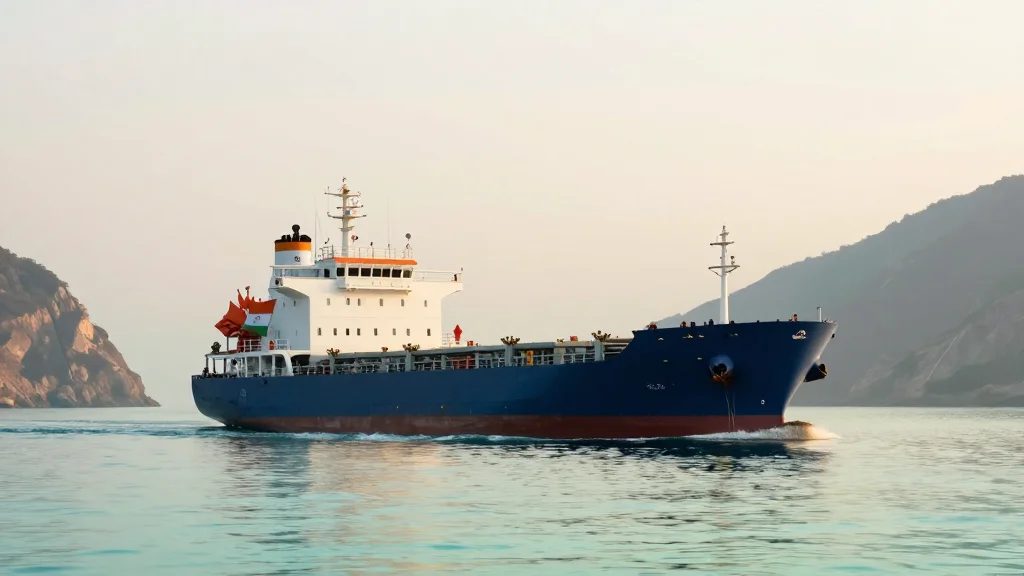
Strait of Hormuz Crisis Spotlights Ship 'Flagging' Rules as India-Flagged Vessels Face Higher Compliance Burden
Why It Matters
Higher compliance and regulatory standards for Indian‑flagged vessels affect operating costs and fleet decisions, influencing global shipping dynamics amid geopolitical risk.
Key Takeaways
- •Indian-flagged fleet reached 14.2 million GT in March 2026
- •More than 20 Indian vessels stranded in Hormuz; none attacked
- •Goal to lift Indian-flag share to 30‑40% by 2047
- •Flag of convenience registers ships in 3‑4 days, easing compliance
- •Indian flag imposes higher safety, labor, and environmental standards
Pulse Analysis
The flag a ship flies is more than a national emblem; it dictates the legal regime, safety standards, and tax obligations that govern every voyage. In the volatile environment of the Strait of Hormuz, where geopolitical flashpoints can quickly turn a commercial lane into a high‑risk zone, the flag becomes a critical risk‑management tool. Vessels under robust regulatory frameworks, such as those registered in India, benefit from state‑backed diplomatic and naval support, which proved decisive when more than twenty Indian‑flagged tankers were temporarily immobilized during the recent crisis.
Indian‑flagged ships are subject to the Merchant Shipping Act, which enforces stringent safety, labor, and environmental rules. While this offers greater protection and priority access to Indian ports, it also imposes a heavier compliance burden than flags of convenience (FoC) that can register a vessel in a matter of days with minimal oversight. Ship owners must weigh the trade‑off between faster, cheaper registration in jurisdictions like Panama and the strategic advantages of an Indian flag, including lower port levies and preferential treatment in government cargo contracts. The higher regulatory costs can deter some operators, especially those focused on short‑term profitability.
Despite the compliance challenges, India is aggressively expanding its domestic fleet. The Maritime Amrit Kaal Vision 2047 targets a jump from roughly 7% to 30‑40% of the global flagged fleet, aiming to position India as a major player in international shipping. This growth is fueled by government incentives, a surge in new vessels adding 1.5 million GT in FY 26, and a broader push to secure maritime supply chains. For investors and industry stakeholders, the expanding Indian‑flagged fleet signals new opportunities in shipbuilding, crew training, and ancillary services, while also reshaping competitive dynamics as more vessels operate under a stricter regulatory regime.
Strait of Hormuz crisis spotlights ship 'flagging' rules as India-flagged vessels face higher compliance burden
Comments
Want to join the conversation?
Loading comments...