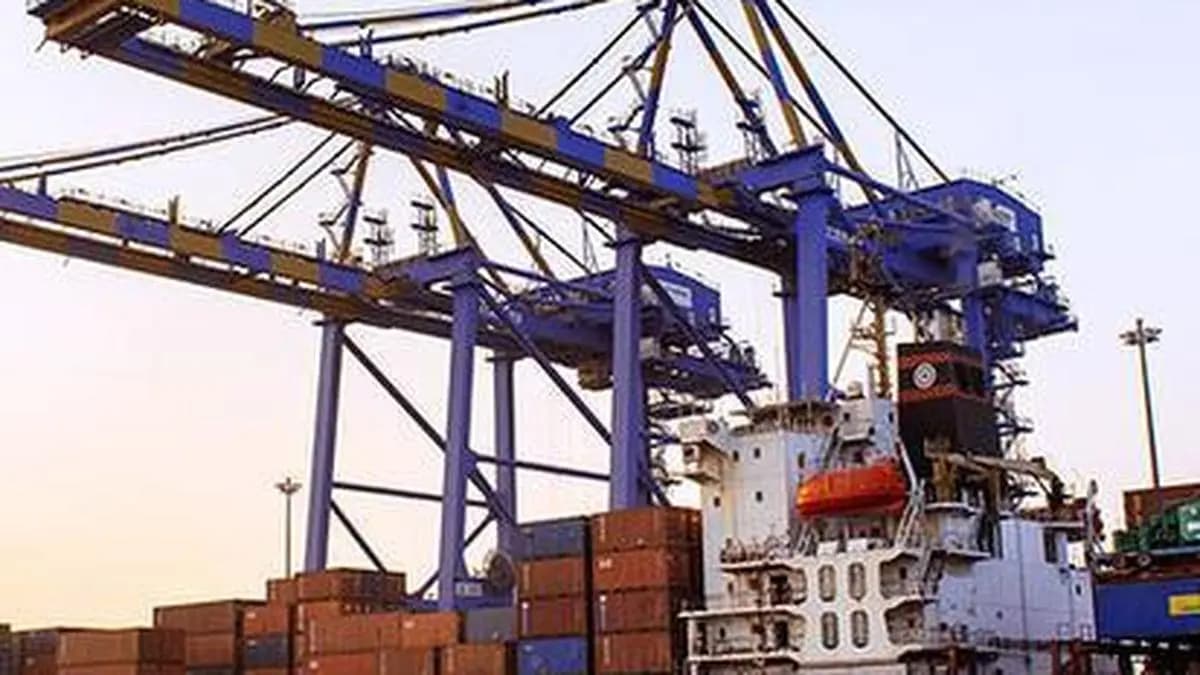
Strait of Hormuz Disruption Boost Bunkering Business at Cochin Port
Why It Matters
The surge bolsters Cochin’s revenue streams and positions South Asia as a new bunkering nexus, reshaping global fuel supply routes amid geopolitical volatility.
Key Takeaways
- •Cochin bunkering volume hit 463,000 tonnes FY26, 31% rise
- •February-March 2026 volumes topped 50,000 tonnes, beating last-year average
- •Port can serve 2‑3 vessels daily; excess demand may cause waits
- •Three River‑Sea barges enable year‑round operations, even in monsoon
- •Hormuz tensions shift refuel traffic from Fujairah to Kochi
Pulse Analysis
The recent escalation in West Asian tensions has choked the Strait of Hormuz, historically a primary conduit for oil and bunker fuel shipments. Shipping lines, wary of delays and higher insurance costs, are scouting alternative refuelling points along the Indian Ocean. Cochin Port, situated near the busy East‑West maritime corridor, has emerged as a logical substitute, offering proximity to major trade routes without the geopolitical baggage of Gulf ports. This shift underscores how geopolitical shocks can rapidly reconfigure logistics networks, prompting ports with latent capacity to capture new market share.
Cochin’s bunkering surge is underpinned by several competitive advantages. The port’s fuel pricing is benchmarked against regional averages, often undercutting Gulf rivals, while its customs procedures are streamlined to reduce turnaround time. Lower tax regimes further sweeten the deal for ship operators. Crucially, Cochin operates three River‑Sea Vessel barges capable of anchorage bunkering even during monsoon season, a capability that gives it an edge over Colombo, which struggles with limited barge numbers in rough weather. The port now handles two to three vessels per day, and its ability to supply VLSFO, HSFO and diesel meets the diverse fuel needs of modern fleets.
For the broader shipping industry, Cochin’s rise signals a diversification of bunkering hubs, reducing reliance on traditional Gulf stations like Fujairah. This diversification can enhance supply chain resilience, especially if Hormuz tensions persist or intensify. However, if the geopolitical climate stabilizes, traffic may revert, testing Cochin’s ability to retain its newfound clientele. Stakeholders—ship owners, oil marketers, and port authorities—should monitor fuel demand trends and consider strategic investments in infrastructure and barge fleets to sustain growth in a potentially volatile market.
Strait of Hormuz disruption boost bunkering business at Cochin Port
Comments
Want to join the conversation?
Loading comments...