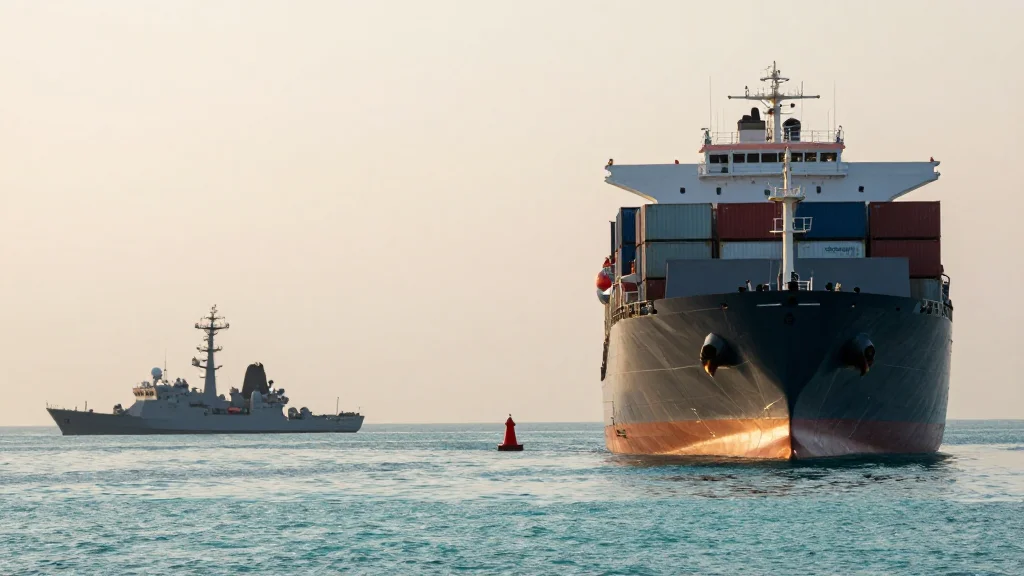
Strait of Hormuz Impact on Russian Pulp, Paper Industry – Domestic Producers
Why It Matters
Higher pulp prices and a reliability‑focused market give Russian exporters a competitive edge, reshaping global supply dynamics and potentially increasing Russia’s trade balance in the sector.
Key Takeaways
- •Hormuz blockade cuts traffic 90%, lifting global pulp prices.
- •Russian exporters see higher margins, especially to China.
- •Buyers now value supply reliability over low cost.
- •Market shifts from buyer’s to seller’s dynamics.
Pulse Analysis
The Strait of Hormuz, a chokepoint for roughly 20% of global oil shipments, has seen traffic plunge by about 90% amid heightened Middle‑East tensions. The resulting scarcity of shipping capacity and higher freight rates has rippled through commodity markets, inflating the cost of raw materials such as wood pulp and paperboard. For the pulp and paper sector, which relies on steady, low‑cost logistics, the disruption translates into higher spot prices and tighter supply, prompting buyers to reassess their sourcing strategies.
Russian pulp and paper firms, long hampered by overproduction and sanctions‑driven shipping constraints, now find themselves on the favorable side of the price curve. Chairman Aleksandr Boychenko of Perm Pulp and Paper Mill notes that rising raw‑material costs abroad boost the dollar value of Russian exports, offsetting a weaker yuan in the Chinese market. With capacity operating at 70‑80% of potential, the industry anticipates a modest rebound as buyers prioritize dependable delivery over marginal price differences, a shift that could improve margins within the next half‑year.
The broader implication is a structural tilt toward a seller’s market in the global pulp arena. As reliability eclipses price, Russian exporters may capture market share from traditional suppliers in North America and Europe, especially in regions where logistics risk premiums have surged. However, the upside is tempered by the volatility of geopolitical flashpoints and the possibility of alternative trade routes emerging. Stakeholders should monitor shipping lane developments, insurance costs, and currency fluctuations to gauge the durability of this temporary advantage.
Strait of Hormuz impact on Russian pulp, paper industry – domestic producers
Comments
Want to join the conversation?
Loading comments...