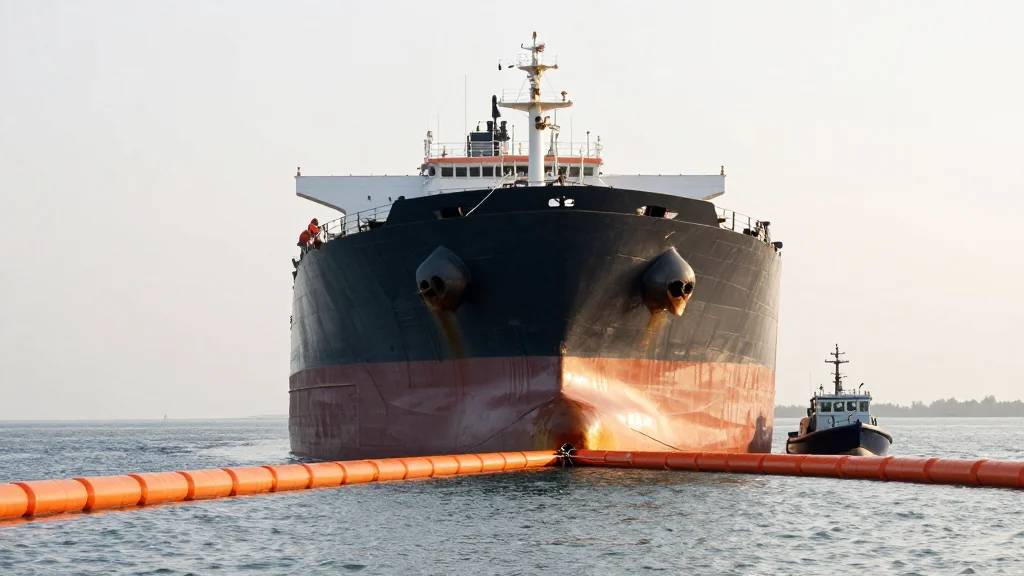
Strait of Hormuz Shutdown Cripples Oil Flow, Sends Prices Soaring

Companies Mentioned
Why It Matters
The Strait of Hormuz is a linchpin of the global energy supply chain, funneling roughly 20% of the world’s oil. Its closure not only spikes crude prices but also destabilizes downstream markets, from jet fuel to gasoline, affecting consumers worldwide. The digital blackout of AIS data erodes the transparency that modern shipping relies on, increasing insurance costs and forcing traders to rely on less timely satellite imagery. Beyond economics, the standoff underscores how geopolitical conflict can weaponize information systems, turning a physical chokepoint into a data‑war arena. The precedent set here could reverberate across other strategic waterways, prompting nations to invest in resilient tracking technologies and to reconsider the security of global trade routes.
Key Takeaways
- •U.S. and Iranian strikes cut Hormuz traffic by 97% in one week, idling ~800 ships.
- •AIS transmission dropped to 25% of vessels; GPS spoofing creates ‘zombie ships.’
- •Brent crude surged above $126 per barrel, the highest since 2022.
- •U.S. blockade seized 41 tankers holding 69 million barrels, worth >$6 billion.
- •Iran’s oil storage may run out in ~3 weeks, risking production cuts and long‑term field damage.
Pulse Analysis
The Hormuz shutdown illustrates a convergence of kinetic conflict and cyber‑enabled disruption that is reshaping maritime logistics. Historically, chokepoints like the Suez or Panama have been vulnerable to physical blockades; Hormuz now adds a data‑layer where AIS suppression and GPS spoofing create a fog of uncertainty that amplifies risk premiums. Market participants are already pricing in a "digital risk premium," reflected in higher freight rates and insurance costs, a trend that could become permanent if adversaries learn to weaponize tracking systems.
From a strategic perspective, the U.S. blockade leverages economic pressure to force a nuclear settlement, but it also risks backfiring by accelerating Iran’s shift toward clandestine oil transport methods, such as ship‑to‑ship transfers and the use of older, untracked vessels. This could entrench a shadow fleet that evades sanctions, complicating enforcement for decades. Moreover, the prolonged closure forces shippers to reroute around the Cape of Good Hope, adding 10‑15 days to transit times and increasing carbon emissions, which may trigger regulatory scrutiny in Europe and North America.
Looking ahead, the decisive factor will be diplomatic flexibility. If Washington accepts Iran’s proposal to reopen the strait while postponing nuclear talks, it could restore a critical supply artery and defuse the data‑war. Conversely, a hardline stance may push Iran to deepen its reliance on covert logistics, embedding a new, less transparent layer into global oil markets. Stakeholders—from oil majors to insurers—must therefore monitor not only the kinetic battlefield but also the evolving cyber‑terrain that now defines the economics of maritime trade.
Strait of Hormuz Shutdown Cripples Oil Flow, Sends Prices Soaring
Comments
Want to join the conversation?
Loading comments...