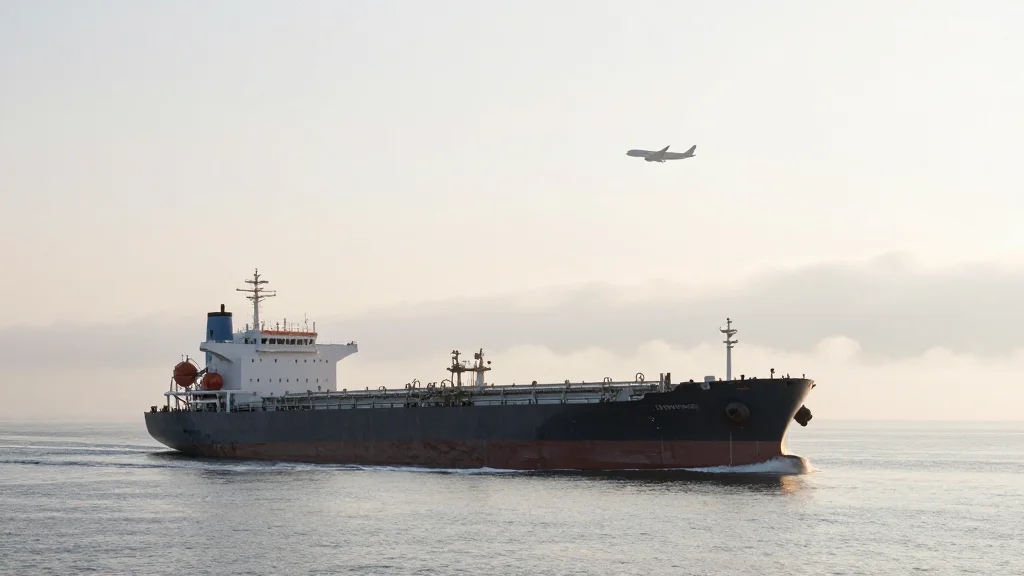
Strait of Hormuz Tensions Threaten Oil Shipping, Prompt Airline Cancellations

Why It Matters
The Strait of Hormuz is a linchpin of global energy flow; any disruption can instantly lift oil prices, strain refinery margins, and trigger inflationary pressures worldwide. With jet‑fuel costs already at historic highs, airlines face a double squeeze: higher operating expenses and reduced demand as travelers avoid uncertain routes. A prolonged maritime shutdown would amplify these stresses, potentially forcing airlines to curtail long‑haul services and prompting shippers to reroute cargo through longer, costlier paths, reshaping trade patterns. Beyond immediate economics, the standoff tests the credibility of diplomatic mechanisms in de‑escalating regional conflicts. If the U.S. blockade and the alleged ship seizure lead to a full‑scale closure, it could set a precedent for future strategic chokepoints, compelling governments and firms to reassess risk models for maritime and aviation supply chains.
Key Takeaways
- •U.S. naval blockade enforced by USS Abraham Lincoln; vertical replenishment on April 18 confirmed by CENTCOM.
- •President Trump claimed seizure of a Tehran‑flagged cargo ship, a move Iran called "propaganda and psychological warfare."
- •Jet‑fuel prices jumped to $150‑$200 per barrel, up from $85‑$90, prompting airlines to cancel 160 KLM flights and add 20% surcharges.
- •Fatih Birol of the IEA warned flight cancellations could begin soon if the Strait of Hormuz stays closed.
- •Iran’s 10‑point plan proposes a $2 million fee per ship transiting Hormuz, but remains unimplemented amid the standoff.
Pulse Analysis
The current crisis illustrates how geopolitical flashpoints can cascade across transport modalities, turning a maritime chokepoint into a systemic risk for aviation. Historically, oil‑shipping disruptions in the Hormuz corridor have led to short‑term price spikes, but the convergence of a naval blockade, a high‑profile ship seizure claim, and soaring jet‑fuel costs creates a perfect storm. Airlines, already operating on thin margins, now face a cost curve that could erode profitability unless they secure hedges or pass expenses to passengers, as seen with KLM’s €50 fare hike.
From a strategic perspective, the U.S. blockade serves both as a deterrent and a bargaining chip. By demonstrating the ability to interdict shipping, Washington signals resolve, yet it also risks provoking reciprocal actions that could close the Strait entirely. Tehran’s insistence on a $2 million transit fee reflects an attempt to monetize the risk, but without a diplomatic breakthrough the fee could become a punitive levy that further inflates shipping costs.
Looking ahead, market participants should monitor three variables: (1) any official declaration by Iran to close the Strait, (2) the outcome of the April 22 cease‑fire deadline, and (3) the response of global oil inventories. A confirmed closure would likely trigger a rapid shift to alternative routes such as the Cape of Good Hope, inflating freight rates by 30‑40% and extending delivery times. Airlines may respond by trimming capacity on Middle‑East‑linked routes, accelerating the shift toward more fuel‑efficient fleets. In sum, the Hormuz tension is not just a regional dispute; it is a catalyst reshaping the economics of global transport.
Strait of Hormuz Tensions Threaten Oil Shipping, Prompt Airline Cancellations
Comments
Want to join the conversation?
Loading comments...