Strengthening Mobility Solutions for South Korea
Why It Matters
The visit positions ASC Sensors to capture a fast‑growing, tech‑savvy rail market, while deepening Germany‑South Korea industrial ties that could accelerate sustainable mobility solutions.
Key Takeaways
- •ASC Sensors visited six major Korean rail firms during a week-long exchange
- •German‑Korean partnership aims to boost high‑performance sensor adoption in rail
- •South Korea’s GTX project targets completion by 2030, driving demand for sensors
- •Rail‑technology exports hit $900 million in 2024, highlighting market potential
- •Collaboration could enhance sustainable mobility and strengthen Germany’s market foothold
Pulse Analysis
South Korea’s railway ecosystem is undergoing a transformation driven by ambitious government programs and a push for greener, faster transit. The GTX high‑speed commuter line, slated for 2030, exemplifies the nation’s commitment to cutting travel times and easing urban congestion. Coupled with extensive metro networks in Busan and nationwide high‑speed services, the sector is poised for substantial capital expenditure on advanced components, especially sensors that improve safety, reliability, and energy efficiency.
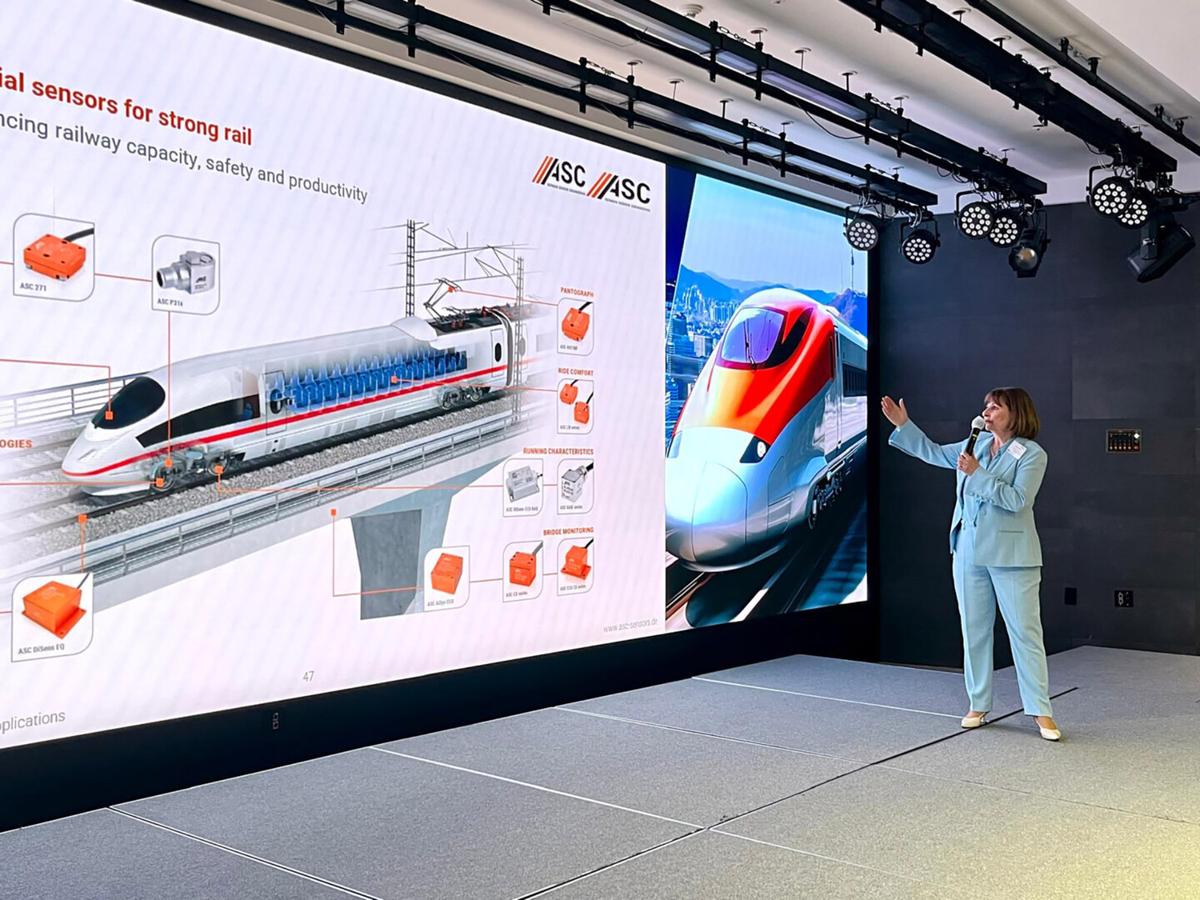
Against this backdrop, ASC Sensors leveraged a German‑Korean chamber initiative to showcase its cutting‑edge sensor portfolio to a curated audience of rail operators, manufacturers, and research institutes. The exchange highlighted Germany’s reputation for precision engineering and offered Korean partners a pathway to integrate robust, high‑performance sensing technologies into new rolling stock and infrastructure. By aligning with local players such as Woojin Industrial Systems and the Korea Railroad Research Institute, ASC aims to co‑develop solutions that meet the stringent performance standards of both markets.
The strategic implications extend beyond immediate sales. Securing a foothold in a market that generated $900 million in rail‑technology exports last year positions ASC to benefit from long‑term contracts and joint‑innovation projects. Moreover, the partnership reinforces Germany’s broader industrial diplomacy, showcasing how high‑tech collaborations can advance sustainable mobility goals worldwide. As South Korea continues to modernize its rail network, sensor providers like ASC are likely to become indispensable partners in the next generation of smart, eco‑friendly transportation.
Strengthening Mobility Solutions for South Korea
Comments
Want to join the conversation?
Loading comments...