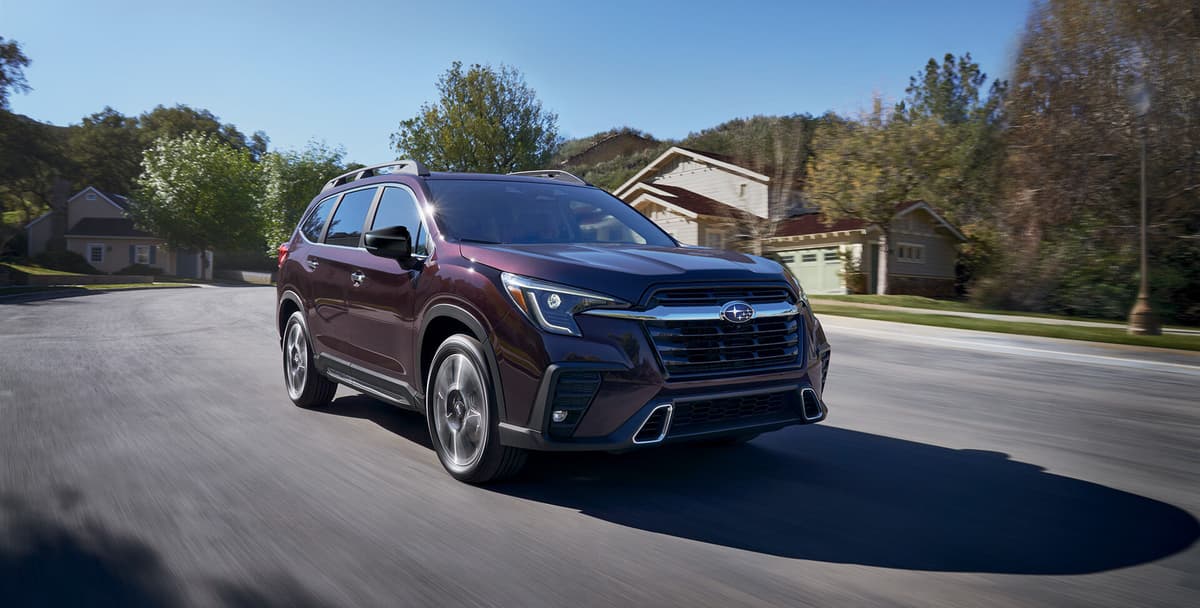
Subaru Latest Japanese OEM to Weigh US-Made Imports
Companies Mentioned
Why It Matters
The move underscores how trade negotiations, rather than consumer demand, are reshaping product flows between the United States and Japan, influencing pricing, supply chains and brand strategy for Japanese automakers.
Key Takeaways
- •Subaru may launch US‑built Ascent in Japan by late 2026
- •Japan’s new rule removes certification barriers for US‑made vehicles
- •Imports serve diplomatic aims, not clear consumer demand in Japan
- •Left‑hand‑drive, large SUVs conflict with Japan’s compact car culture
Pulse Analysis
The recent regulatory shift in Japan, effective February 2026, eliminates the need for additional safety testing on vehicles certified by U.S. regulators. This change, part of a broader diplomatic effort to ease trade tensions, allows automakers like Subaru to consider reverse‑importing models such as the Ascent without facing the usual certification hurdles. By aligning certification standards, the two nations aim to smooth the flow of goods, even as the United States agrees to postpone tariff reductions on Japanese cars for up to three decades.
Japanese consumers have long favored compact, fuel‑efficient vehicles, a preference reinforced by the country’s dense urban environment and the popularity of kei‑cars. The Ascent, a three‑row, eight‑seat SUV built on a left‑hand‑drive platform, runs counter to these expectations. Its larger footprint, higher fuel consumption, and left‑hand‑drive configuration present practical challenges in a market that drives on the left. Even with an IIHS Top Safety Pick+ rating and Subaru’s EyeSight driver‑assistance suite, the model’s appeal may be limited to niche buyers rather than the mass market.
For Japanese OEMs, the reverse‑import trend signals a strategic pivot driven more by geopolitics than by sales forecasts. By redirecting U.S.‑produced models to domestic showrooms, manufacturers can demonstrate compliance with trade agreements and potentially leverage cost efficiencies from high‑volume U.S. plants. However, this approach may strain supply chains, affect pricing strategies, and require adjustments for left‑hand‑drive vehicles. As long as tariff negotiations remain unresolved, the diplomatic import strategy is likely to persist, reshaping how Japanese automakers balance global production with local market realities.
Subaru latest Japanese OEM to weigh US-made imports
Comments
Want to join the conversation?
Loading comments...