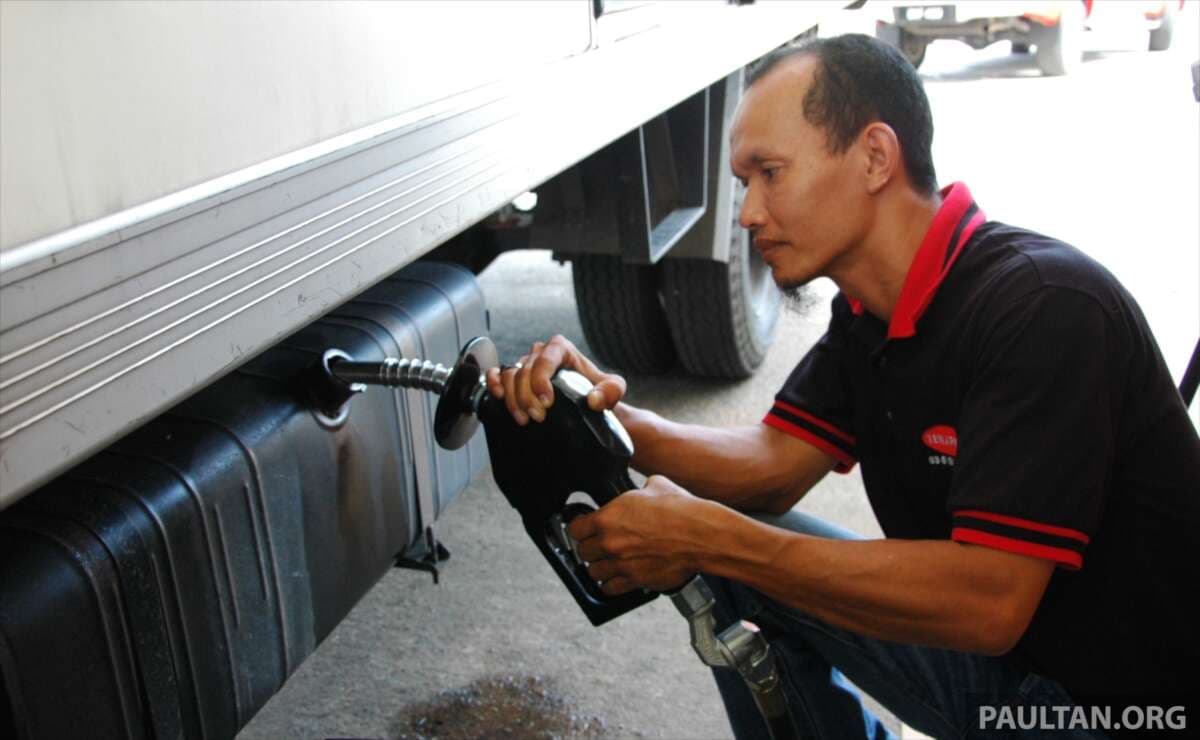
Subsidised Diesel Control Scheme (SKDS) for Goods Transporters Expanded to Sabah, Sarawak, Labuan
Why It Matters
By ensuring diesel subsidies reach legitimate transport operators, the move stabilises freight costs and protects consumer prices, while supporting small businesses in remote regions. It also bolsters fuel supply security amid rising demand and price volatility.
Key Takeaways
- •SKDS now available to goods transporters in Sabah, Sarawak, Labuan
- •Registration via online MySubsidi portal and new physical counters
- •Fleet cards required for subsidised diesel across 23 vehicle categories
- •Physical registration aids small operators lacking internet access
Pulse Analysis
The Malaysian government’s decision to roll out the Subsidised Diesel Control Scheme (SKDS) to East Malaysia reflects a broader effort to fine‑tune fuel subsidies that have long been a pillar of the country’s economic policy. Historically, diesel subsidies were administered centrally, often leading to inefficiencies and unintended leakage to non‑eligible users. By introducing a fleet‑card system that tracks fuel consumption across 23 vehicle categories, the Ministry of Domestic Trade and Cost of Living can more accurately channel support to commercial operators that directly impact the supply chain. This data‑driven approach aligns with global best practices in subsidy management, reducing fiscal waste while maintaining affordable transport costs.
For transport operators in Sabah, Sarawak and Labuan, the expansion offers a practical lifeline. Many small‑scale haulers, farmers and fishermen rely on diesel‑powered trucks and refrigerated units to move goods across rugged terrain. The addition of physical registration counters addresses the digital divide that has hampered online enrollment, ensuring that rural businesses are not excluded from the program. By simplifying access, the scheme helps keep freight rates stable, which in turn curbs upward pressure on food and essential goods prices for consumers nationwide.
Looking ahead, the SKDS rollout could set a precedent for targeted subsidies in other sectors, such as electricity or agricultural inputs. As Malaysia grapples with fluctuating global oil prices, a transparent, verifiable subsidy mechanism provides a buffer against external shocks. Moreover, the initiative signals the government’s commitment to supply‑side resilience, a critical factor for attracting foreign investment in logistics and manufacturing. Stakeholders will watch closely how the scheme’s data analytics evolve, potentially informing future policy tweaks that balance fiscal responsibility with economic growth.
Subsidised diesel control scheme (SKDS) for goods transporters expanded to Sabah, Sarawak, Labuan
Comments
Want to join the conversation?
Loading comments...