Suez Canal Will Raise Surcharge Fees as It Still Looks to Increase Transits
Companies Mentioned
Why It Matters
Higher fees raise operating costs for global shippers, potentially shifting traffic to alternative routes and affecting freight rates. The surcharge underscores the canal’s fiscal reliance on volume growth despite regional security risks.
Key Takeaways
- •Crude‑oil tanker surcharge rises to 37% when laden
- •LPG carriers face a 32% surcharge on Suez transits
- •Dry bulk vessels incur a 22% surcharge
- •Passenger ships remain exempt from new fees
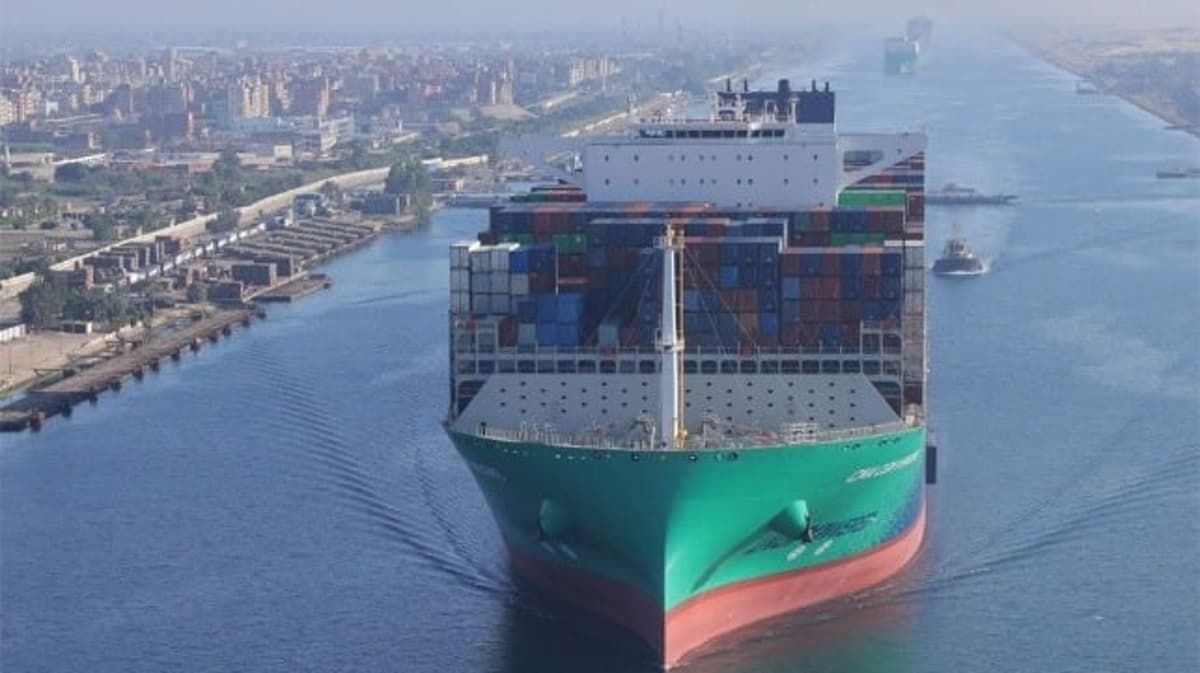
- •CMA CGM’s ultra‑large vessel highlighted canal’s capacity
Pulse Analysis
The Suez Canal Authority’s decision to lift surcharges marks the first comprehensive rate adjustment since 2023, reflecting a strategic effort to capture more revenue as global trade rebounds. By layering temporary fees atop existing base rates, the authority aims to offset operational costs and fund service upgrades while signaling confidence in the canal’s continued relevance. For shippers, the added expense translates into higher voyage budgets, especially for oil‑laden tankers whose surcharge now tops 37%, prompting freight forwarders to re‑evaluate cost‑benefit calculations between the Suez and the longer Cape of Good Hope detour.
Different vessel classes feel the impact unevenly. Crude‑oil and product tankers, the most price‑sensitive segment, confront the steepest hikes, while dry bulk and containerships see more modest increases of 22% and 12% respectively. LPG carriers sit in the middle at 32%. These differentiated rates aim to preserve the canal’s competitive edge for high‑volume cargoes while still extracting value from premium freight. The exemption for passenger ships, a niche user group, underscores the authority’s focus on commercial freight revenue. As shipping lines balance fuel costs, charter rates, and now surcharge premiums, some may divert to alternative routes or adjust cargo mixes to mitigate the financial hit.
Beyond pricing, the SCA is actively courting higher transit volumes, highlighted by the recent passage of CMA CGM Vendome, a 24,000‑TEU ultra‑large vessel. Such high‑profile transits showcase the canal’s capacity to handle the world’s biggest ships, reinforcing its advantage over the Cape route. However, escalating regional tensions—exemplified by Houthi threats and broader Red Sea hostilities—introduce supply‑chain volatility that could deter some carriers. The dual strategy of fee increases and service promotion signals the canal’s intent to remain a linchpin in global logistics, but shippers will closely monitor how geopolitical risk and cost pressures reshape routing decisions in the months ahead.
Suez Canal Will Raise Surcharge Fees as It Still Looks to Increase Transits
Comments
Want to join the conversation?
Loading comments...