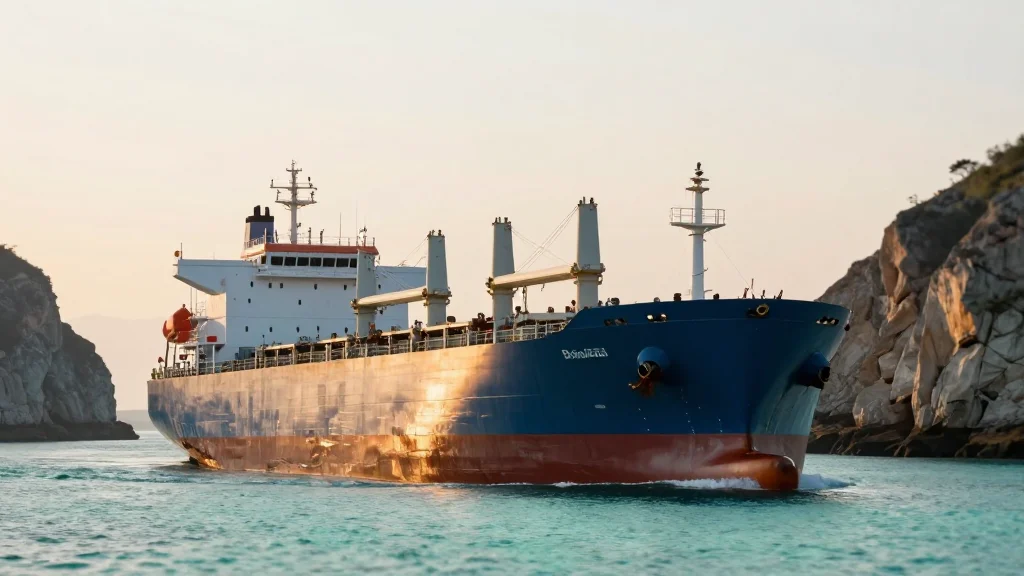
Sulphur Shipment Crosses the Strait of Hormuz
Companies Mentioned
Why It Matters
The clearance signals a potential easing of shipping constraints, which could stabilize global sulphur supply and pricing. Delays have pressured downstream industries that rely on sulphur for fertilizer and chemical production.
Key Takeaways
- •Richsing Lotus carries 50,000 t sulphur to Morocco.
- •Vessel navigated Hormuz after weeks of Iranian, US blockades.
- •About 1 million t sulphur stuck in Gulf awaiting passage.
- •60‑70 % of stranded sulphur tied to existing contracts.
- •Spot market may absorb released cargo once strait clears.
Pulse Analysis
The Strait of Hormuz, a chokepoint that funnels roughly a fifth of the world’s oil and a substantial share of bulk commodities, has been under heightened tension since early 2024. Iranian and U.S. naval operations created overlapping blockades that forced vessels to linger in the Persian Gulf, inflating insurance premiums and prompting reroutes around the Cape of Good Hope. The recent movement of the bulk carrier Richsing Lotus, carrying 50,000 tonnes of granular sulphur, marks one of the first clear passages through the waterway since the blockades intensified, offering a tentative signal that the maritime corridor may be reopening.
Sulphur, a key feedstock for fertilizer, chemicals and refining processes, is typically sourced from the Gulf’s prolific producers and shipped to global demand centers. With nearly one million tonnes of sulphur currently stranded—60‑70 % already locked into quarterly contracts—the market has been operating under a supply squeeze that lifted spot prices and pressured downstream manufacturers. The release of the Richsing Lotus and the anticipated exodus of additional cargoes could relieve that pressure, allowing contract‑bound buyers to meet obligations while freeing up spot‑market volume that had been scarce.
Beyond the immediate commodity dynamics, the episode underscores the strategic risk of geopolitical flashpoints on global supply chains. Companies that depend on sulphur now face heightened incentives to diversify sourcing, hedge price exposure, and monitor maritime security alerts. Investors and analysts are also watching the Hormuz situation as a barometer for broader energy and trade stability; a sustained reopening would likely lower freight rates, reduce insurance costs, and restore confidence in the Gulf’s role as a reliable export hub. The next few weeks will reveal whether this clearance is an isolated event or the start of a longer‑term normalization.
Sulphur shipment crosses the strait of Hormuz
Comments
Want to join the conversation?
Loading comments...