Sunday Movie: The Hill of Hysteria & Cargo Bikes
•March 1, 2026
0
Why It Matters
Understanding the dynamics of pre‑implementation pushback helps cities navigate policy rollout, while cargo‑bike adoption signals a scalable path to lower emissions in dense urban cores.
Key Takeaways
- •Pre-implementation opposition often fades after street changes
- •Pedestrianized avenues boost local commerce and safety
- •Cargo bikes reduce emissions for last‑mile deliveries
- •Visual illustrations aid public understanding of bike logistics
- •Successful pilots encourage broader congestion‑pricing policies
Pulse Analysis
Urban planners have long grappled with the vocal opposition that surfaces whenever a city proposes to curb car traffic or introduce congestion pricing. The "Hill of Hysteria" video captures this phenomenon, highlighting how community concerns spike during the planning phase but typically recede once pedestrianized streets open. Real‑world examples from cities like Seattle, Copenhagen, and Milan reveal that reduced vehicle volumes often translate into higher foot traffic, increased retail sales, and safer streets, turning skeptics into advocates after the fact.
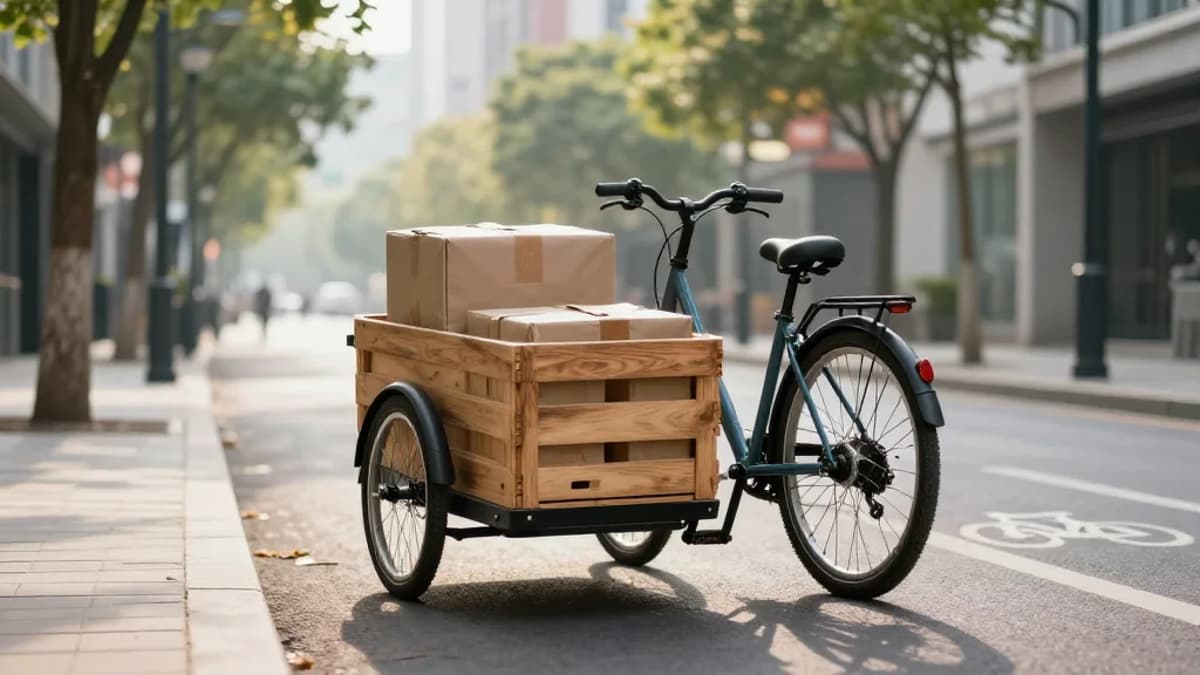
Meanwhile, cargo bikes are emerging as a pragmatic solution for the "last‑mile" delivery challenge that plagues congested city centers. The illustrated video from Urban Mobility Explained breaks down the logistics of bike‑based freight, showing how electric assist, modular cargo boxes, and route‑optimizing software enable small‑scale businesses to replace vans with zero‑emission bikes. This shift not only cuts greenhouse‑gas emissions but also eases curbside congestion, improves air quality, and offers a quieter urban soundscape. Visual storytelling helps demystify the technology, making it more accessible to policymakers and the public alike.
The convergence of successful pedestrianization pilots and growing cargo‑bike networks signals a broader transformation in urban mobility strategy. Cities can leverage the positive outcomes of early adopters to justify more ambitious congestion‑pricing schemes, using data on reduced traffic, economic uplift, and environmental benefits. As public sentiment evolves, the narrative moves from fear of disruption to appreciation of livable, sustainable streetscapes, paving the way for integrated, people‑centric transportation policies worldwide.
Sunday Movie: The Hill of Hysteria & Cargo Bikes
0
Comments
Want to join the conversation?
Loading comments...