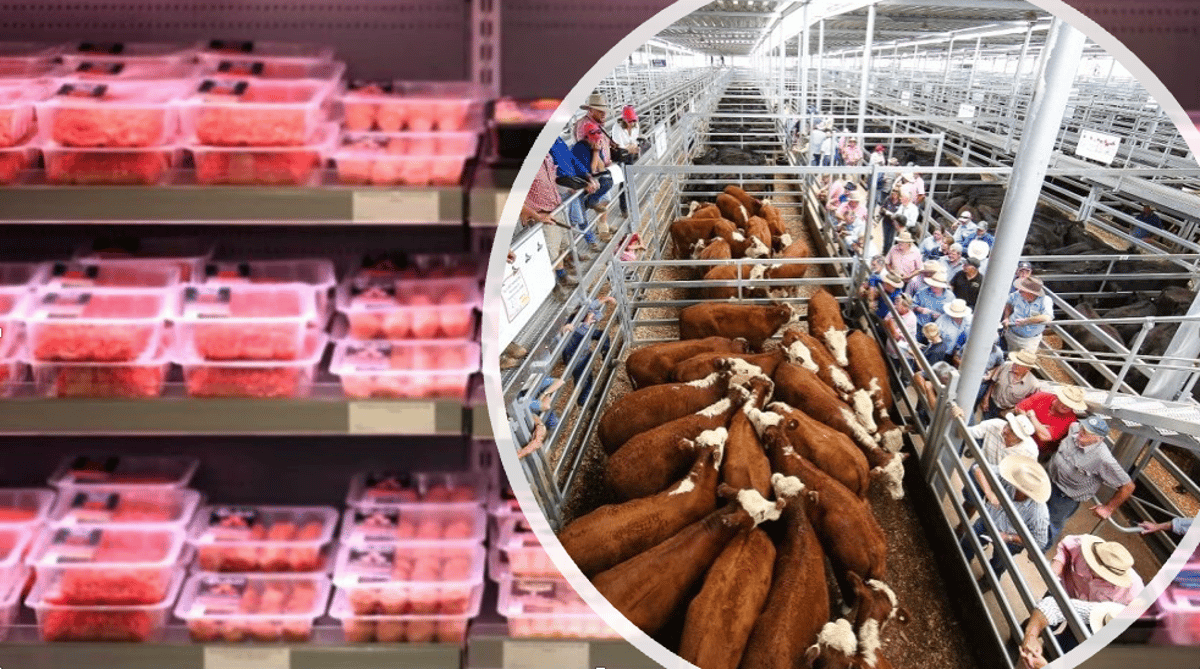
Supermarkets Must Help Farmers Keep Food Moving as Fuel Costs Bite
Why It Matters
Absorbing transport costs threatens farm viability and could tighten food supplies, while retailer subsidies could stabilize prices and protect supply chain resilience.
Key Takeaways
- •Diesel price surge raises farm transport costs, squeezing margins
- •Farmers cannot pass fuel costs to consumers, profit margins shrink
- •NSW Farmers urges supermarkets to share transport cost burden
- •Supermarket chains report multi‑billion‑dollar after‑tax profits, could subsidize logistics
Pulse Analysis
The global rebound in diesel prices, driven by post‑pandemic demand and geopolitical tensions, has hit Australian farm logistics hard. For dairy producers, a single liter of diesel can add several cents to the cost of moving milk to processing plants; for fruit and vegetable growers, the effect compounds across thousands of kilometres of refrigerated haulage. Because farmgate prices are largely fixed by contracts and market competition, these added expenses directly eat into already thin margins, forcing some operators to cut back planting or delay deliveries. The squeeze is felt most acutely in New South Wales, where the majority of the nation’s fresh produce originates.
At the same time, Australia’s big‑box grocery chains report after‑tax earnings in the multi‑billion‑dollar range, positioning them as financially capable partners in the supply chain. Industry analysts note that supermarkets have historically absorbed a share of logistics costs through volume discounts and private‑label efficiencies, but the current fuel shock exceeds typical cost‑pass‑through thresholds. Voluntary subsidies or targeted rebates to transport providers could preserve farm output without triggering retail price spikes. Similar arrangements have been trialed in Europe, where retailers contributed to a fuel‑offset fund that stabilized farm incomes during periods of volatile energy prices.
If supermarkets step in, the immediate benefit would be a steadier flow of milk, potatoes, apples and other staples to shelves, cushioning consumers from abrupt price hikes. Conversely, a refusal could amplify food‑price inflation, erode rural employment, and pressure policymakers to intervene with emergency subsidies or price controls. The debate also raises broader questions about the distribution of profit in the agri‑food ecosystem and the role of corporate social responsibility in times of macro‑economic stress. Stakeholders will be watching closely to see whether profit‑rich retailers will shoulder part of the diesel burden or leave farmers to bear the full cost.
Supermarkets must help farmers keep food moving as fuel costs bite
Comments
Want to join the conversation?
Loading comments...