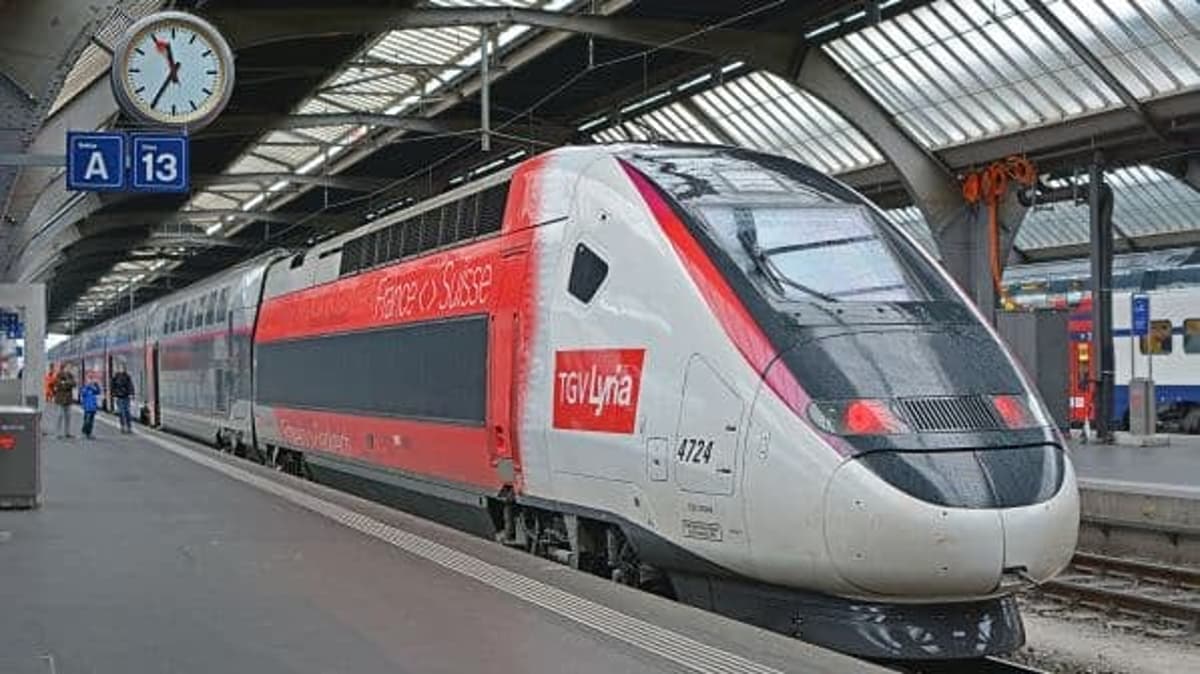
Switzerland - London Service Takes Key Step Forward
Why It Matters
A direct high‑speed rail link would shift a sizable share of Swiss‑London travel from air to rail, reducing emissions and creating new revenue streams for European operators. It also strengthens cross‑border connectivity in a market dominated by short‑haul flights.
Key Takeaways
- •SBB, SNCF Passenger, Eurostar sign MoU for Switzerland‑London rail
- •Service targeted for launch in the 2030s after feasibility studies
- •Expected journey times: 5‑6 hours from Zurich, Geneva, Basel
- •Project could divert air traffic, boosting sustainable cross‑border mobility
Pulse Analysis
The prospect of a direct high‑speed train between Switzerland and London marks a strategic shift in European transport policy. While air routes have long dominated the corridor—London remains the top destination for Swiss flyers—rail operators are betting on a seamless, city‑center to city‑center alternative that can compete on time and convenience. Recent studies indicate that a 5‑ to 6‑hour journey would satisfy the majority of business and leisure travelers, positioning rail as a viable substitute for short‑haul flights across the Channel.
The memorandum of understanding signed by Swiss Federal Railways (SBB), SNCF Passenger and Eurostar formalises a collaborative framework that will shape the service’s technical blueprint. Over the next few years the trio will model timetables, assess rolling‑stock requirements and negotiate track‑access rights on both sides of the Channel. Critical milestones include securing inter‑governmental agreements, aligning customs and immigration procedures, and locking in high‑speed trainsets capable of maintaining speeds above 250 km/h. By anchoring these elements early, the partners aim to mitigate the regulatory and infrastructural bottlenecks that have stalled similar projects in the past.
If realised, the Switzerland‑London line could capture a significant share of the estimated 2 million annual passenger flow, diverting traffic from airlines and delivering measurable environmental benefits. Reduced carbon emissions, lower noise pollution and the elimination of airport transfers align with the EU’s Green Deal objectives and the UK’s net‑zero commitments. Moreover, the service would create new revenue streams for SBB, SNCF and Eurostar, while stimulating tourism and business links between the Alpine region and the British capital. The initiative thus exemplifies how cross‑border rail can drive both economic growth and sustainability.
Switzerland - London service takes key step forward
Comments
Want to join the conversation?
Loading comments...