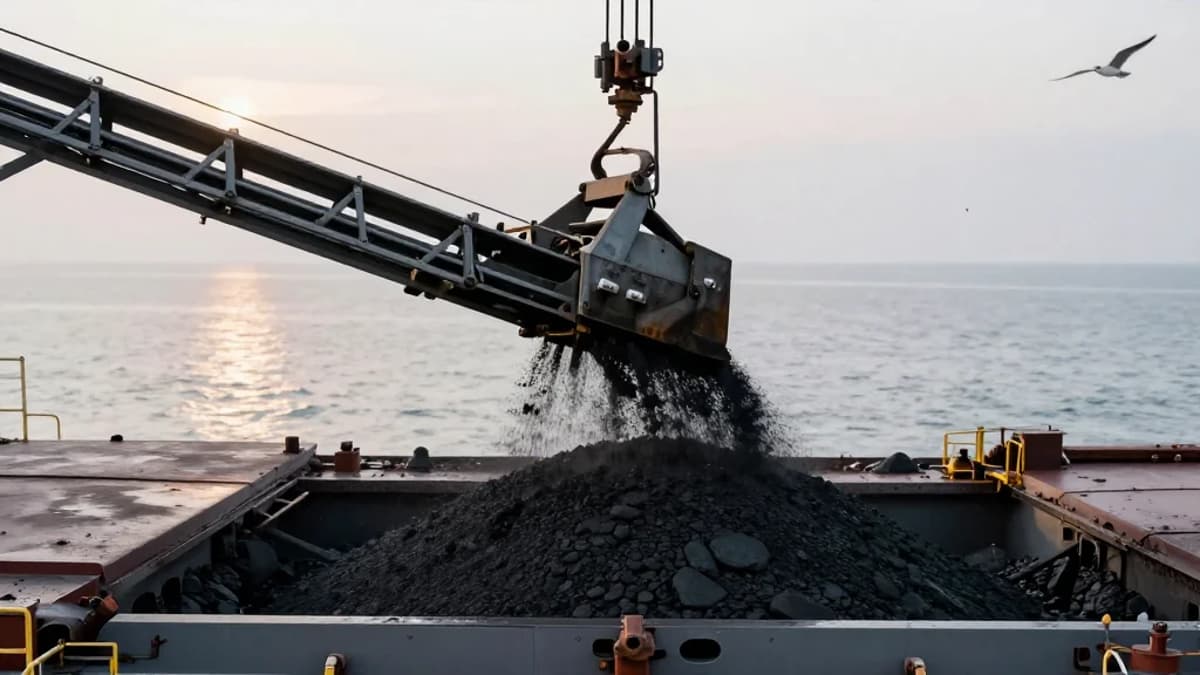
SWR Freight Surge Puts Focus on Mormugao Coal Handling
•March 4, 2026
0
Why It Matters
The freight boom boosts SWR’s profitability but raises regulatory scrutiny over coal handling at a key export hub, affecting environmental compliance and regional logistics policy.
Key Takeaways
- •SWR freight revenue rose 14.3% to ₹8,550 crore.
- •Coal loading increased 16.6% to 9.3 MT.
- •Mormugao Port handles coal via three cleared companies.
- •Opposition alleges unauthorized coal handling beyond environmental clearances.
- •Jindal faced show‑cause notice for exceeding coal quota.
Pulse Analysis
South Western Railway’s freight surge underscores the growing importance of commodity corridors in India’s logistics network. By moving nearly 48 million tonnes of iron ore, steel and coal, the zone not only lifted freight revenue to almost ₹5 trillion but also reinforced Goa’s role as a mineral export gateway. This performance reflects broader macro trends: rising global demand for raw materials, higher freight tariffs, and the railways’ strategic push to capture market share from road transport. The data also highlights operational efficiencies gained through upgraded loading facilities and better train turnaround times.
The spotlight on Mormugao Port stems from its status as the primary maritime outlet for Goa’s coal shipments. While the state government maintains that only three firms—Southwest Port Limited, Adani Mormugao Port, and Morning Dolphin—operate under approved environmental clearances, opposition leaders argue that additional handling points lack such permits. The dispute raises questions about the adequacy of monitoring mechanisms and the transparency of quota allocations, especially after Jindal received a show‑cause notice for surpassing its authorized coal‑handling limits. These regulatory frictions could translate into tighter compliance checks and potential penalties, influencing port throughput and freight pricing.
Balancing revenue growth with environmental stewardship will be pivotal for both SWR and Mormugao Port. Investors are likely to watch how the government reconciles economic incentives with sustainability mandates, as any policy shift could affect freight contracts and port fees. Moreover, heightened scrutiny may spur investments in cleaner handling technologies or alternative energy cargoes, reshaping the regional supply chain. For stakeholders, the key takeaway is that while freight volumes are expanding, the sector’s long‑term profitability will hinge on navigating regulatory risk and aligning with India’s broader climate commitments.
SWR freight surge puts focus on Mormugao coal handling
0
Comments
Want to join the conversation?
Loading comments...