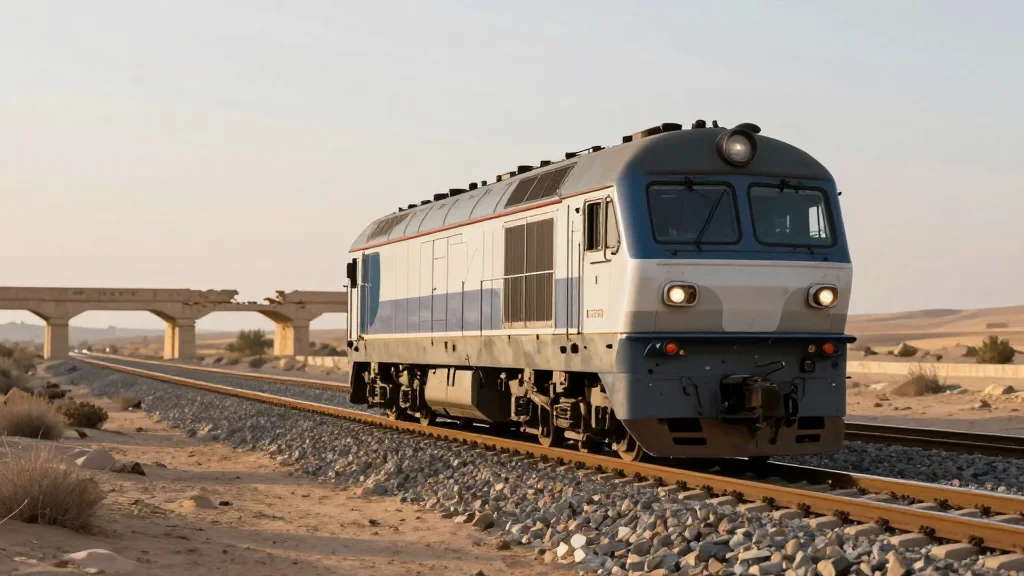
Syria to Upgrade Infrastructure and Fleet
Why It Matters
Revitalizing the rail system will lower logistics costs, boost regional trade, and underpin Syria’s post‑war economic growth.
Key Takeaways
- •$200 million World Bank grant allocated for Syrian rail upgrades.
- •New and repaired locomotives plus staff training planned.
- •Reactivation studies focus on Turkey and Iraq border lines.
- •Port‑to‑inland freight corridors prioritized for economic impact.
- •Q1 2026 freight traffic up 81% to 232,443 tonnes.
Pulse Analysis
Syria’s rail network, built to the standard 1,435 mm gauge, was left in ruins after a 14‑year civil war that finally ceased in December 2024. With tracks torn, bridges collapsed and rolling stock depleted, the country faces a massive infrastructure gap that hampers both domestic mobility and cross‑border commerce. Recognizing rail’s potential to lower freight costs and stimulate industry, the Ministry of Transport secured a $200 million grant from the World Bank, earmarked for comprehensive rehabilitation and modernization. This infusion marks the first large‑scale, externally funded rail project since the conflict’s end.
The grant will be channeled into several priority actions: acquiring new locomotives, overhauling existing units, and delivering targeted staff training to raise operational safety standards. Engineers are already mapping the most critical corridors, with particular emphasis on re‑opening lines that link Syria to Turkey in the north and Iraq in the east—routes that once carried the bulk of regional trade. Parallel efforts will focus on connecting Mediterranean ports such as Tartus and Latakia to inland freight terminals, creating a seamless supply chain that can attract exporters and importers alike. Early indicators are promising; Syrian Railways reported an 81 % jump in freight volume during Q1 2026, moving over 232,000 tonnes of cargo.
Beyond domestic benefits, the rail revival positions Syria as a strategic logistics hub linking the Levant with the broader Middle East and Europe. Faster, rail‑based transport can reduce road congestion, lower emissions, and provide more predictable transit times for bulk commodities such as grain, cement and petroleum products. The World Bank’s involvement also signals confidence to private investors, potentially unlocking additional financing for ancillary projects like signaling upgrades and intermodal terminals. If the planned corridors materialize, regional trade flows could rebound, supporting Syria’s broader economic reconstruction and fostering greater integration with neighboring economies.
Syria to upgrade infrastructure and fleet
Comments
Want to join the conversation?
Loading comments...